Here’s why oil prices are falling; top details inside
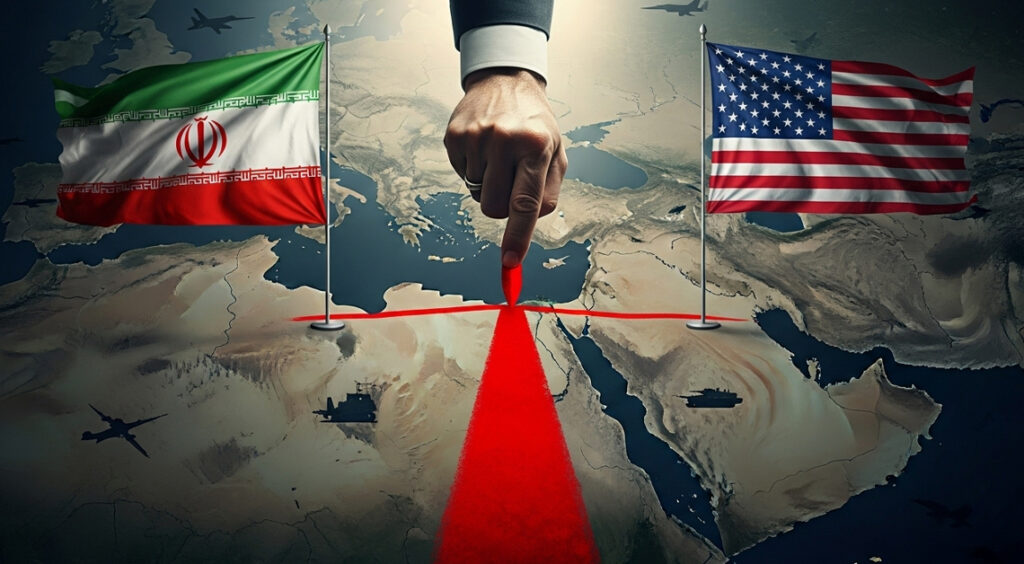
Oil prices dropped as tankers moved through the Strait of Hormuz and traders weighed strategic reserve releases amid the Iran conflict.
Oil prices may extend gains as the Iran conflict threatens key export facilities and keeps the Strait of Hormuz closed, raising fears of major supply disruptions.
Iran’s Supreme Leader has issued a chilling threat to the US, promising “full destruction” and a “regional war” if America strikes Iran. With President Trump deploying a potent naval fleet to the Persian Gulf, Tehran has dismissed recent anti-government protests as a “coup” and branded European militaries, terrorist groups. With more than 49,000 people reported detained and thousands dead, the world is watching whether the two countries can strike a deal or risk a historical conflict
Beehiiv, a rapidly growing newsletter startup, is on pace to reach $50 million in annual revenue this year as it lures thousands of writers from its larger rival, Substack. Beehiiv is helping creators keep more of what they earn and reach more readers, by charging a flat monthly fee for distribution with a built-in ad network. With 130,000 publishers already signed up, the platform is rising in a booming digital world in which individual writers now act as their own media businesses.
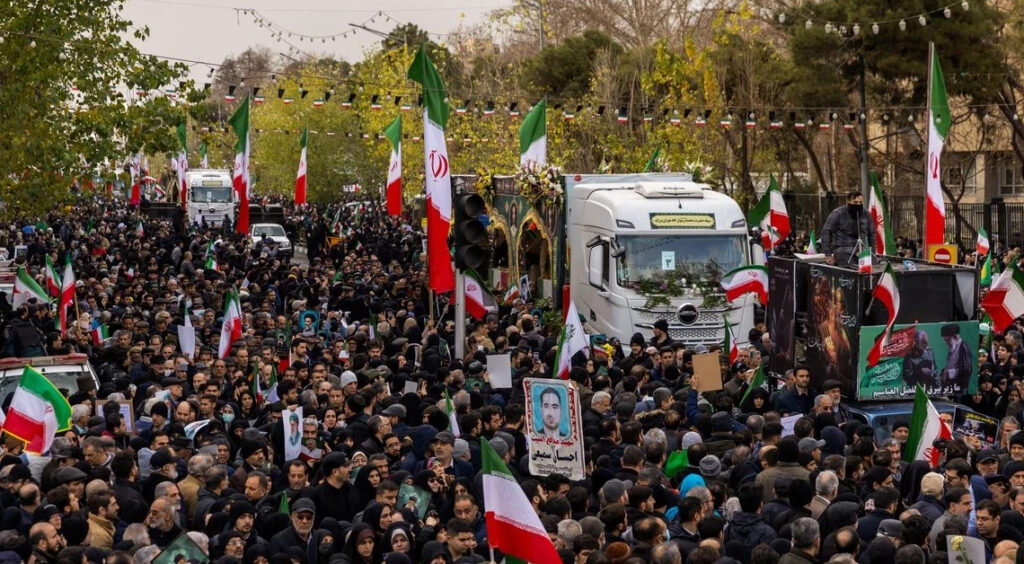
At least 5,000 people have been killed in Iran during the protests that erupted across the country since late December 2025, some of whom were summarily executed by regime authorities. Though Supreme Leader Ali Khamenei blamed the violence on foreign agitators, the country’s judiciary has warned that thousands of detainees could be executed for “waging war against God.” As President Trump threatens American intervention and economic sanctions tighten, the country is under a strict internet blackout and families are kept in the dark about what has happened to thousands who were seized in the crackdown.
Iran’s crackdown on dissenters has turned Starlink into a target of signal jamming and drone-based interference, even as illicitly smuggled terminals help broadcast live protest footage despite nationwide internet shutdowns. SpaceX engineers are applying techniques first used in Ukraine to counter Iranian government measures, raising questions about the network’s reliability ahead of its IPO as the true death toll remains obscured by repeated shutdowns. Musk’s decision has attracted attention from military officials, despite explicit government bans.
In a significant Gaza ceasefire update, the United States has officially declared the start of Phase Two of the ceasefire plan aimed at resolving the long-running Middle East conflict between Israel and Hamas. U.S. Special Presidential Envoy Steve Witkoff announced that the arrangement, part of a broader 20-point framework, is shifting from a temporary truce…
Oil prices climbed as markets reacted to a fresh wave of geopolitical tensions. Trouble in Iran and attacks on Russian energy sites revived fears that global oil supplies could come under pressure. By January 12, Brent crude had risen to $63.87 a barrel, while U.S. benchmark WTI reached $59.50. Both contracts posted their biggest two-day…
Human Rights Activists News Agency said Iran’s security crackdown has killed at least 538 people, including 490 protesters and 48 members of the security forces, with more than 10,600 arrests over the past two weeks. An internet blackout has made independent verification difficult as Tehran escalated warnings toward the United States and Israel amid mounting threats of military action. The protests began on December 28 over rising prices and later broadened into opposition to Iran’s clerical leadership. President Donald Trump warned of possible US intervention during a briefing with senior advisers on Tuesday. UN Secretary-General António Guterres said he was shocked by the violence and urged restraint.
A $30 billion trade relationship between Saudi Arabia and the U.A.E. continued unfazed in the face of a deepening diplomatic dispute over Yemen’s war. Analysts say the two Gulf powers are now too economically enmeshed to risk a trade war, where billions have been invested in common logistics, retail and energy sectors. As they vie for regional business, the two countries are invested in maintaining economic stability to safeguard their development goals in the medium term. This resilience is what is keeping the Gulf as an effective global capital and trading hub in 2026.