


Iran Protest Death Toll Hits 5,000 Amid Execution Threats
Synopsis
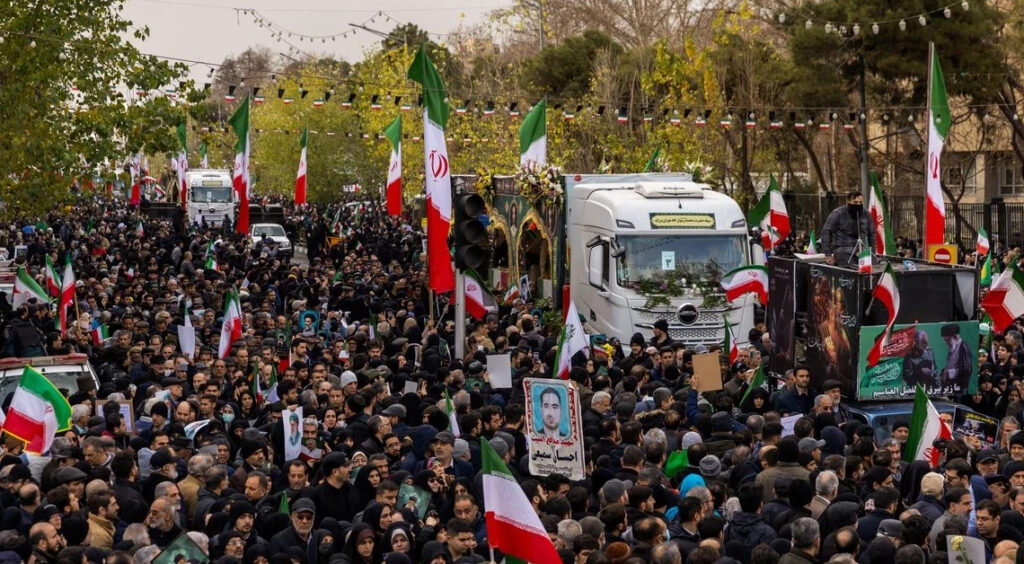
At least 5,000 people have been killed in Iran during the protests that erupted across the country since late December 2025, some of whom were summarily executed by regime authorities. Though Supreme Leader Ali Khamenei blamed the violence on foreign agitators, the country’s judiciary has warned that thousands of detainees could be executed for “waging war against God.” As President Trump threatens American intervention and economic sanctions tighten, the country is under a strict internet blackout and families are kept in the dark about what has happened to thousands who were seized in the crackdown.
The worst wave of unrest in Iran for decades killed at least 5,000 people, official news agencies said on Sunday, January 18, 2026. The toll, which already included about 500 security personnel, pointed to the ferocity of the violence that has consumed the country since protests erupted in late December. The government has said that armed protesters account for much of the bloodshed and that foreign enemies are also responsible, but international human rights organisations say that far more civilians, many of them unarmed, may have been killed.
The protests started as a reaction to the country’s cratering economy and its currency, the rial, which has plunged sharply in value. But they have quickly turned into a nationwide movement that is now challenging the country’s leadership. Over the three weeks of its duration, this movement has become the gravest challenge to the government since the revolution of 1979.
Supreme Leader Blames Foreign Enemies
The supreme leader of Iran, Ayatollah Ali Khamenei, addressed the country on Saturday and acknowledged that “several thousand” people had died. In a defiant address, he called the unrest a United States and Israeli–led “criminal” scheme. He was remorseless, saying that while his government had no desire to drag the country into a full-blown war, it would not hesitate to punish what he called “domestic criminals.”
The government’s crackdown has been especially severe in the northwest part of the country, where many Kurds live. Officials say some of the fiercest fighting happened there, with armed groups attempting to cross the border and exploit the chaos. Witnesses in the areas said they had seen riot police guns aimed directly into crowds of young men and women.
Executions and the ‘War Against God’
As the protests in the streets started to decrease under a security crackdown, the Iranian judiciary suggested that it was entering a new phase of punishment. The courts’ spokesman said on Sunday that many of the arrested had been charged with “Mohareb”, a legal term meaning “waging war against God.” There is an automatic death sentence for that crime under Iranian law.
Human rights groups have warned of widespread abuses, saying more than 24,000 people had been detained. They are worried that the government will use these laws to implement mass executions to deter further protests. Independent groups have also said that a large number of the victims are younger than 30, among them young athletes and students.
Trump Warns of U.S. Intervention
The violence has prompted an unusually swift response from U.S. President Donald Trump, who has warned that he could step in if the killings persist. The President on Friday took to social media to thank Iran’s rulers for the reported cancellation of plans to hang 800 people. But just two days later he said in an interview that it is “time for new leadership” in Iran.
The U.S. has moved to increase economic pressure on the country, most recently announcing new levies on any country that continues to do business with Tehran. The Iranian government remains rebellious, but with internal protests and crushing international pressure, the country is now more weakened than at any time in years. For now, a near-total internet blackout makes it impossible for the world to see just how bad the crisis has become inside Iran’s borders.
Follow Inspirepreneur Magazine for breaking news daily.

At Inspirepreneurs Magazine, covering entrepreneurship, business failures, and the human stories behind the world's most ambitious founders. She writes at the intersection of strategy and storytelling.
You Might Also Like

Pro Medicus Backs Echo IQ With Potential $20 Mn Investment

Australia Rules Out Fuel Restrictions Following Fire at Nation’s Largest Refinery
