


Carney moves to ease living costs with fuel tax suspension
Synopsis
Mark Carney moves to ease cost pressures in Canada by suspending fuel tax while pushing broader economic and infrastructure reforms.
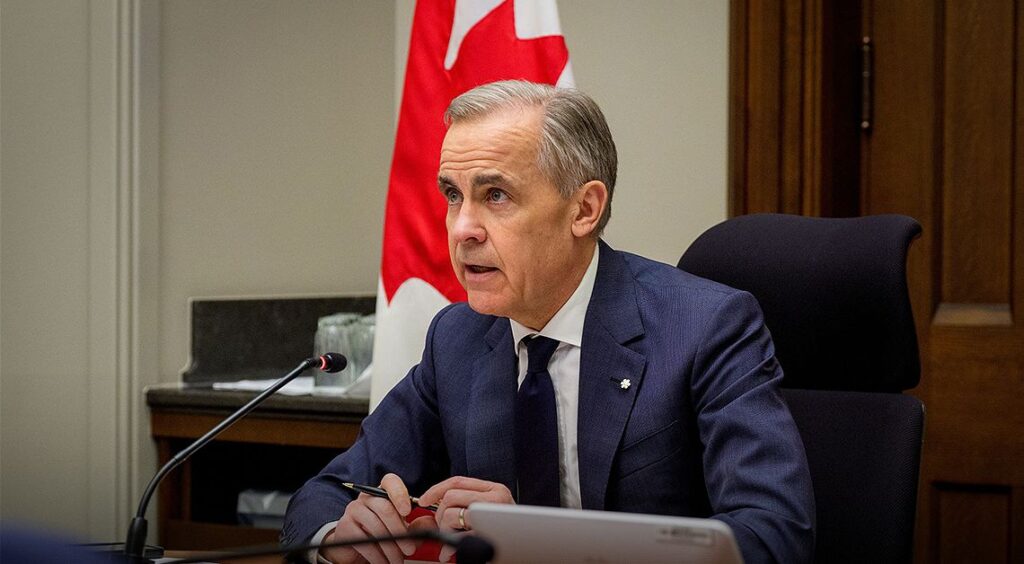
Canada’s Prime Minister Mark Carney has pledged to tackle rising living costs, announcing a temporary fuel tax suspension alongside broader economic reforms.
Key highlights
- Mark Carney prioritises cost of living relief in Canada
- Temporary fuel tax suspension announced
- Liberal Party secures parliamentary majority
- Focus on housing and infrastructure development
- Opposition questions legitimacy of majority
Fuel tax cut to ease immediate pressure
The government said the tax suspension would reduce petrol prices by about 10 cents per litre and diesel by around 4 cents.
Carney said the move is aimed at providing immediate relief to households facing rising expenses.
Majority government strengthens policy push
The Liberal Party secured a parliamentary majority after winning three special elections, giving Carney greater scope to pass legislation.
He said the mandate would help drive policies aimed at strengthening Canada’s economy in a more uncertain global environment.
Focus on economic independence
Carney emphasised the need to reduce Canada’s reliance on external economies, particularly the United States.
Plans include boosting infrastructure investment and addressing long-standing housing shortages.
Political tensions remain
Opposition leader Pierre Poilievre criticised the legitimacy of the majority, arguing it was not achieved through a general election.
Carney defended the outcome, saying Canada’s parliamentary system allows representatives to shift political alignment.
What happens next
The government is expected to push ahead with affordability measures and infrastructure plans without major cabinet changes.
The fuel tax suspension is likely to be reviewed depending on economic conditions.
FAQs
Q1: Why did Canada suspend the fuel tax?
To reduce immediate cost pressures on households and lower fuel prices.
Q2: How much will fuel prices fall?
Petrol prices may drop by about 10 cents per litre and diesel by around 4 cents.
Q3: What else is the government focusing on?
Housing, infrastructure development and reducing economic dependence on external markets.
Q4: Is the government stable?
Yes, the Liberal Party now holds a parliamentary majority, enabling smoother policy implementation.
Follow Inspirepreneur Magazine for daily global business news.
I write about markets, money, and the macro forces that move them. Passionate about turning complex economic trends into sharp, easy-to-understand stories. Off the clock, it’s hip hop, rock, reggae -- and a mix of cricket and basketball.
You Might Also Like

Resurgence in Leadership: The Chris Hemsworth Business Saga

US Tariffs on Steel and Aluminium Imports and Australia’s Strategic Moves
