


Trump Says Exxon Might Be Excluded From Venezuela
Synopsis
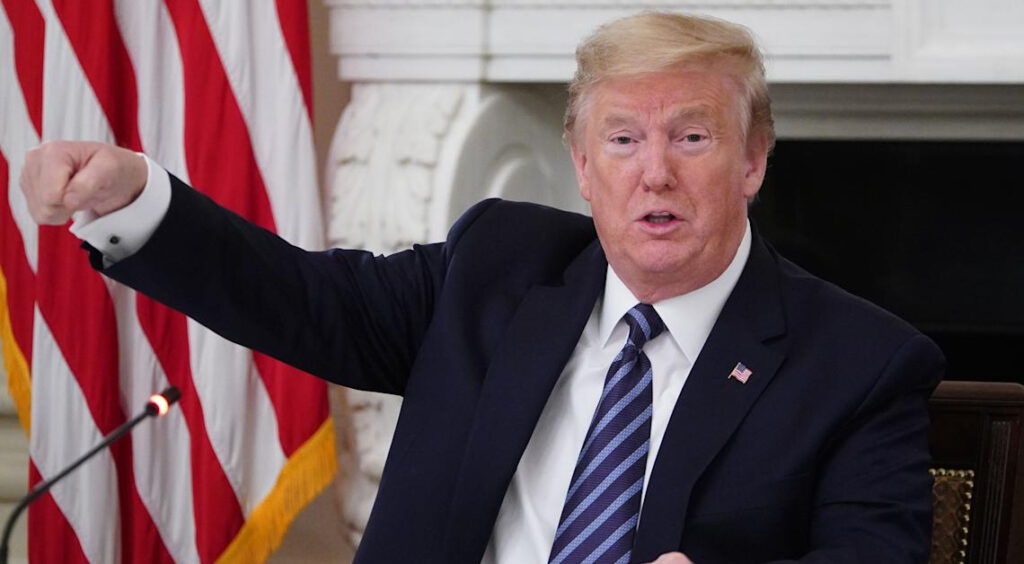
Donald Trump is inclined to exclude Exxon from future operations in Venezuela after CEO Darren Woods described the country as not viable for investment following two asset seizures. Speaking aboard Air Force One, Trump said he “didn’t like Exxon’s reaction,” calling it overly calculated. Venezuela currently owes Exxon and ConocoPhillips more than $13 billion combined, according to court rulings, while Chevron continues to operate in the country. US officials have discussed controlling oil sales as a way to compensate affected companies and stabilise Venezuela’s economy, a strategy that would require billions of dollars in investment to rebuild damaged oil fields.
President Donald Trump said on Sunday that he may exclude ExxonMobil from future investments in Venezuela after the company’s chief executive described the country as “uninvestable” during a White House meeting. Speaking to reporters aboard Air Force One, Trump said he was unhappy with Exxon’s stance, accusing the company of trying to be “too clever.” Exxon CEO Darren Woods told Trump that the company had been expropriated twice in Venezuela and would require stronger legal protections before committing new capital. Trump said his administration wants US oil majors to play a role in rebuilding Venezuela’s energy sector once the current political leadership exits.
Exxon CEO's "Uninvestable" Remark
At a White House meeting on Friday, ExxonMobil’s CEO, Darren Woods, made clear that his company has serious reservations about returning to Venezuela. Woods said the country would have to overhaul its legal and commercial frameworks before Exxon could consider investing, pointing out that the firm’s assets had been seized there twice in the past. President Trump publicly expressed frustration with Woods’ cautious stance, telling reporters he “didn’t like Exxon’s response” and suggesting he might keep the oil giant out of Venezuela’s recovery plans. The interaction dampened expectations for the administration’s push to bring billions in foreign investment into the nation’s struggling oil industry. ExxonMobil had not offered an immediate comment afterwards.
Venezuela Claims And Rivals
Venezuela’s decades-long dispute with major US oil companies continues to shape Washington’s energy policy. ExxonMobil and ConocoPhillips say they are still owed billions of dollars after Caracas nationalised their assets years ago, while Chevron keeps a foothold in the country through joint ventures with PDVSA. In early January 2026, President Donald Trump moved to protect Venezuelan oil revenues held in US government accounts by signing an executive order to keep courts and creditors from grabbing those funds, framing the move as crucial to US efforts to stabilise Venezuela’s economy. At the same time, Energy Secretary Chris Wright has taken a central role in steering how Venezuelan crude is sold and how US companies might re-enter the market. While officials discuss boosting Venezuela’s oil production, perhaps by several hundred thousand barrels per day, industry analysts note that a real recovery will depend on legal reforms, infrastructure investment, and clear protections before big investors will commit.
Trump's Venezuela Oil Strategy
In the months after Venezuela’s president was removed from power, the US has moved quickly to shape its role in managing the OPEC nation’s oil sector. US forces have intercepted several sanctioned oil tankers, and Washington has struck arrangements to bring 30-50 million barrels of Venezuelan crude to US ports, saying it will manage those sales into the future. At the White House, President Trump has pushed American oil executives to help rebuild the country’s aged and damaged energy infrastructure, suggesting firms would work through US authorities rather than Caracas. Chevron, the only major US company currently active there, sees room for production gains in the near term, and US officials are promoting up to $100 billion in private investment to restore Venezuela’s oil output. The administration has framed the strategy as stabilising Venezuela’s economy and revitalising its oil sector with American expertise.
Read more international news on Inspirepreneur Magazine.

At Inspirepreneurs Magazine, covering entrepreneurship, business failures, and the human stories behind the world's most ambitious founders. She writes at the intersection of strategy and storytelling.
You Might Also Like

BlackRock-backed Atlas halts $1B in Brazil clean energy projects
Ventia Services Taps Internal Executive Mark Ralston as CEO
