Oil Prices Jump More Than $2 as Israel Strikes Lebanon Despite Ceasefire
Synopsis
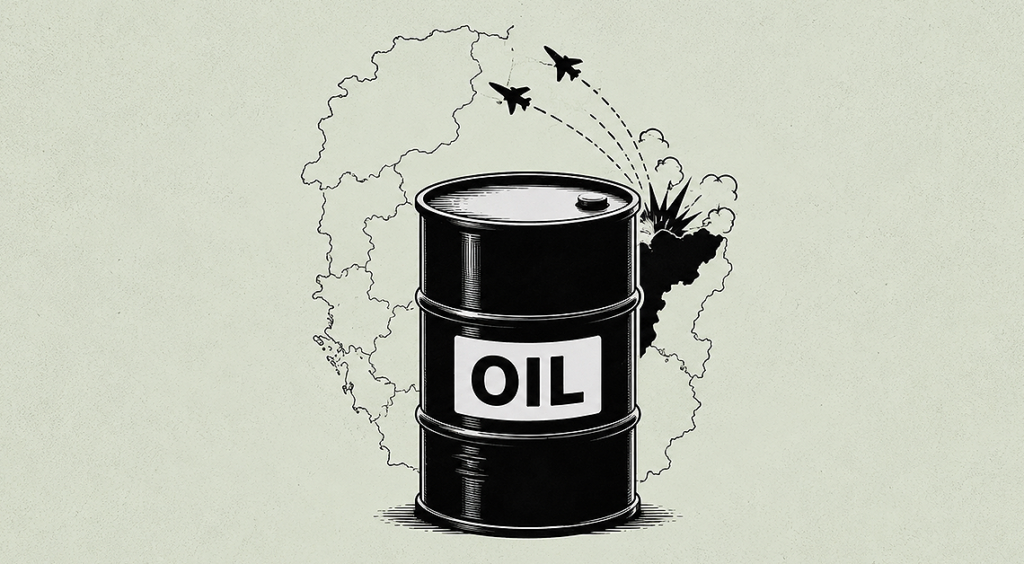
Oil prices climbed more than $2 a barrel after Israel launched renewed strikes on Lebanon despite a recent ceasefire agreement. The escalation weakened hopes for a broader peace deal involving Iran and raised fresh concerns about energy supplies moving through the Strait of Hormuz. U.S. crude futures rose to $92.64 per barrel, while Brent crude reached $95.42. Although OPEC+ agreed to increase oil production again, analysts said supply challenges and shipping disruptions mean the move is unlikely to significantly ease market concerns or reduce pressure on global oil prices.
Oil prices rose more than $2 a barrel on Monday amid renewed Middle East instability fears after fresh Israeli strikes on Lebanon. U.S. crude futures rose $2.10, or 2.32%, to by morning session to $92.64 barrel and Brent crude was up $2.33, or 2.5%, at at $95।42 a barrel.
Those gains more than reversed Friday's losses when markets had been buoyed by hopes of de-escalation of tensions between the United States and Iran allowing normal oil flows to resume amid a wider peace settlement.
Airstrikes on Lebanon Dim Hopes for Peace Deal
The latest attacks are the first since a ceasefire was announced by Israel and Lebanon on 3 June after negotiations in Washington. In a statement, Trump said the renewed violence has diminished hopes for an enduring peace deal and given rise to new fears about the security of global energy supplies.
Iran, which supports Hazebollah in Lebanon, retaliated for the two strikes on Beirut by firing a barrage of rockets at Israel. On Friday, U.S. President Donald Trump said he would warn Iranian Leaders not to strike Iran as the parties sought to contain possible escalation.
Strait of Hormuz Still a Big Issue
The Strait of Hormuz where much of the world biggest oil and gas flows pass through remains a huge concern for energy markets. Iran has itself retained most of the restrictions that applied to shipping through the strait, causing supply fears and supporting oil prices.
This was the fourth consecutive month OPEC+ agreed to increase oil production. But analysts said the step may not have much impact, as a number of member countries have so far been unable to fill their production quotas because of shipping problems in recent weeks and domestic infrastructure issues.
Follow Inspirepreneur Magazine for daily global business news.

At Inspirepreneurs Magazine, covering entrepreneurship, business failures, and the human stories behind the world's most ambitious founders. She writes at the intersection of strategy and storytelling.
You Might Also Like

Ford raises profit outlook for 2026 despite aluminum cost pressures

US Economy Grows Steadily as GDP Slows and Trump Promises to Tackle Prices