


Katalyst Tests Orbital Grappling Technology in NASA Rescue Mission
Synopsis
The mission aims to prolong the life of the Neil Gehrels Swift Observatory while validating robotic satellite servicing capabilities amid intensifying competition in the space sector.
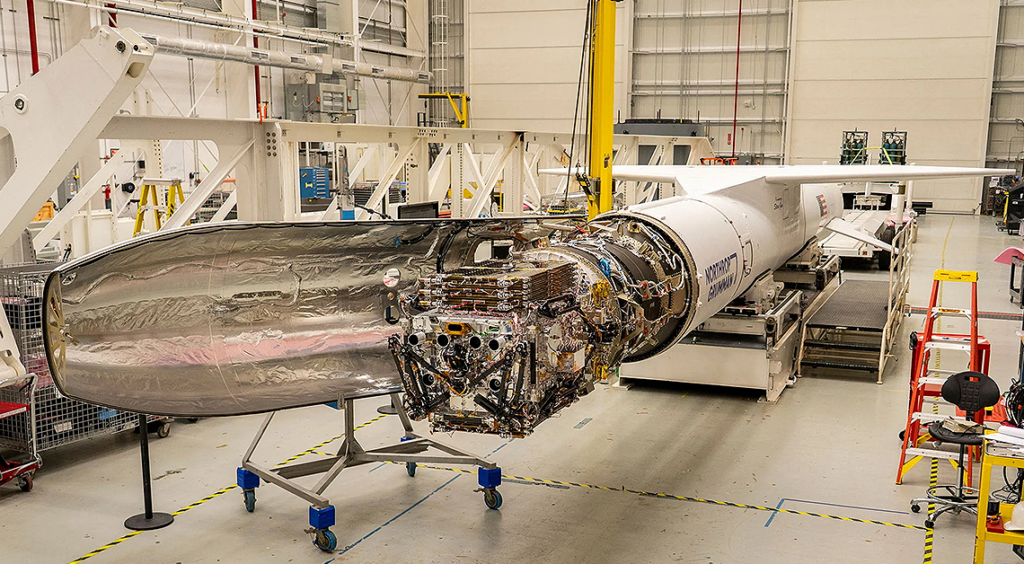
Katalyst's LINK spacecraft has launched for NASA, its robotic vehicle under a US$30 million contract to prolong the mission life of the Neil Gehrels Swift Observatory, a science satellite worth approximately US$500 million.
It's NASA's first mission to bump up the orbit of an active government research satellite, not a new satellite. About 500 kilograms, LINK was carried into orbit by a Pegasus XL rocket launched from a modified Lockheed L-1011 aircraft over the Pacific Ocean near the Marshall Islands.
Over the next few weeks, the spacecraft will gradually squeeze itself around Swift, grab it with its robotic arms and lift its orbit over 200 days as atmospheric drag, which is caused by more solar activity, keeps it from reaching its planned higher orbit.
Satellite Servicing Moves Into Focus
The $400 million satellites that once orbited the planet are now poised to launch into the space industry.
In addition to the protection of an ongoing science mission, Katalyst, a NASA satellite rescue mission, will deliver new operational information on orbital grappling technology, which is becoming increasingly important to government and commercial satellite operators who want to extend spacecraft life.
The European Space Agency's Space Environment Report 2025 shows that over 40,000 orbiting objects are tracked and the number of satellite launches has been rising.
The United States continues to be the biggest satellite operator but China has been rapidly building its satellite presence in orbital space with communications, Earth observation and navigation programmes, making satellite resilience and servicing more and more important for both countries.
Growing Commercial and Strategic Interest
The growth of Commercial and Strategic InterestThe Swift Observatory was started by NASA in 2004 to study gamma-ray bursts, black holes, and other high-energy phenomena in the universe.
Scientific observations were temporarily suspended earlier this year to conserve altitude until the rescue mission is done. In fact, the Katalyst NASA satellite rescue mission is a sign of the increased investment in satellite servicing spacecraft.
Governments are increasing their focus on maintaining existing spacecraft in orbit, and companies in the United States, Europe and Japan are working on spacecraft with servicing technologies to meet these future requirements.
Source: Reuters
Follow Inspirepreneur Magazine for daily global business news.

Pooja Malik is a business journalist with over six years of experience covering startups, entrepreneurship, and emerging trends. She has previously worked with leading media platforms such as YourStory Media and BW BusinessWorld, where she reported on business, policy, and market developments. Currently, she serves as Editor at The Inspirepreneur Magazine, where she writes and edits stories across business, lifestyle, and travel, with a focus on clarity, accuracy, and reader relevance.
You Might Also Like

Oil Climbs As Fragile US-Iran Talks Keep Strait Of Hormuz Risks In Focus

The New Contender: Akasa Air’s Path to Aviation Dominance
