


California Just Put AI Lawyers on a Tighter Leash
Synopsis
California lawmakers have approved new rules for lawyers using generative AI, requiring them to verify AI-generated material and prevent confidential information from being exposed. The bill now awaits Governor Gavin Newsom’s decision.
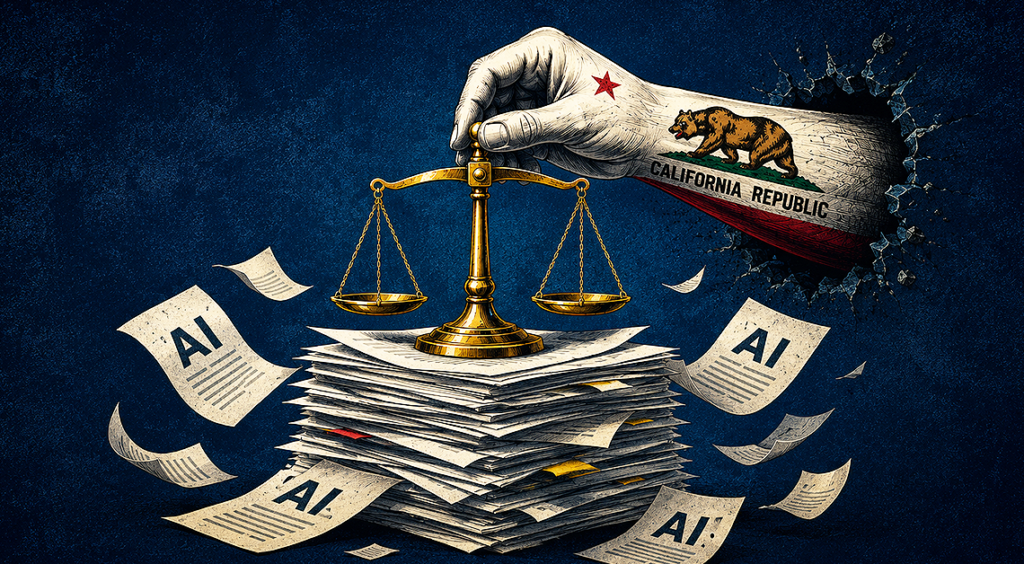
California AI bill SB 574 has passed the state Legislature, sending in new requirements for lawyers and arbitrators using generative artificial intelligence to Governor Gavin Newsom.
The bill would require that attorneys check AI-generated legal content and factually verify or correct any inaccurate or fabricated information before using it in legal writing. Attorneys would be additionally required to disclose the use of AI in legal submissions.
California Targets AI Errors and Confidential Data
The California AI bill is a ban on lawyers outsourcing their practice of law to generative AI. It would also limit their ability to use AI systems, if information is not appropriately secured and protected, or personally identifying or otherwise confidential.
SB 574 would have a similar effect to that of restricting the use of AI by arbitrators while holding them to account for their decisions and awards.
The bill was introduced by the democratic State Senator Tom Umberg, and it built upon existing ethical and professional responsibilities regarding technology, including accuracy and confidentiality in legal practice.
AI Investment Continues to Expand
The California AI bill comes as corporate spending on artificial intelligence continues to rise. The 2026 AI Index Report from Stanford revealed that in 2025 the world's total AI investment in corporations has reached $581.7 billion, a modest but significant rise of 130% from the previous year.
Whereas the United States invested $285.9 billion, China invested $12.4 billion, and private investment in AI was $344.7 billion. The U.S. private investment was more than 23 times as much as China's, Stanford said.
There are also different regulations in the EU and the U.S. with the EU having the AI Act and the U.S. having state-specific rules instead of a single regulatory framework that applies to all businesses.
The rule is targeted at the legal profession, and not broader artificial intelligence use across the economy for Australian and U.S. businesses that operate in California. If signed the California AI bill would add statutory requirements to the existing professional rules governing legal AI use.
Source: Reuters

Pooja Malik is a business journalist with over six years of experience covering startups, entrepreneurship, and emerging trends. She has previously worked with leading media platforms such as YourStory Media and BW BusinessWorld, where she reported on business, policy, and market developments. Currently, she serves as Editor at The Inspirepreneur Magazine, where she writes and edits stories across business, lifestyle, and travel, with a focus on clarity, accuracy, and reader relevance.


