


Trump’s Polysilicon Tariffs Put Tennessee Chip Supply Chain in Spotlight
Synopsis
Trump’s new polysilicon trade measures were designed to strengthen America’s semiconductor supply chain, but concerns over Wacker Chemie’s Tennessee plant highlight the challenges of reshoring strategic manufacturing while keeping domestic producers competitive.
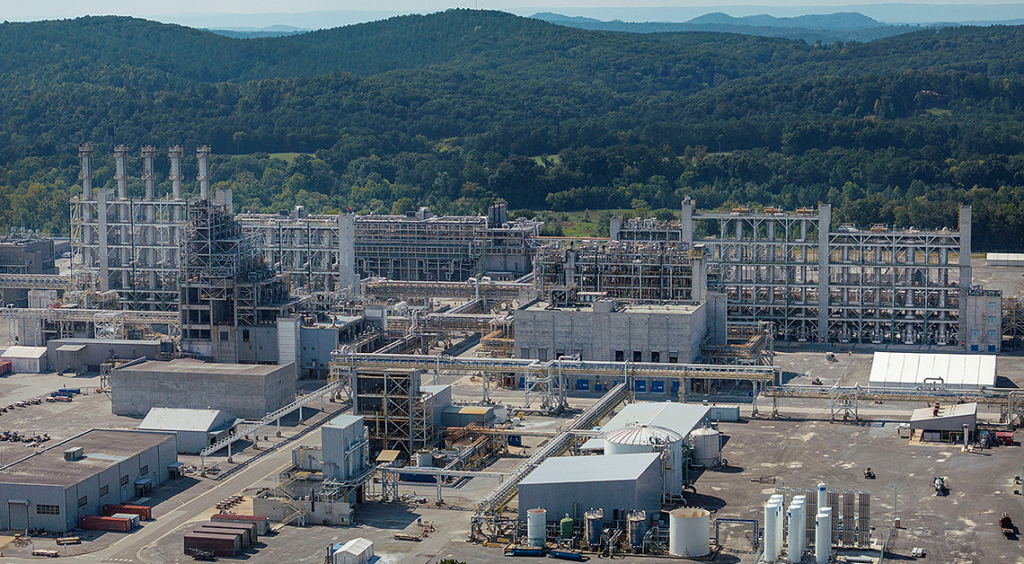
A US trade policy designed to strengthen the country’s semiconductor supply chain has instead raised concerns over the future of a major polysilicon plant in Tennessee.
Germany’s Wacker Chemie faced reported pressure over its Charleston facility after the Trump administration introduced new measures aimed at boosting American polysilicon production.
The plant employs about 600 workers and supplies polysilicon used in semiconductors and solar panels.
As per sources, Wacker was considering whether to close the facility after its two remaining customers pulled away following the new trade measures.
However, Wacker said it had no plans to close the Charleston plant, adding uncertainty to the immediate outlook.
Policy Designed to Protect US Production
On August 6, the Trump administration announced a Section 232 policy establishing minimum import prices for polysilicon and related products, alongside a 15% tariff on certain downstream polysilicon derivatives. The measures are scheduled to take effect on December 4, 2026.
The White House argues that polysilicon is strategically important because it sits at the foundation of both semiconductor and solar supply chains. The administration also authorised incentives for companies investing in US polysilicon production.
The problem for domestic producers is how the rules treat foreign-made products containing polysilicon. According to the Reuters report, the measures do not specifically favour US-origin polysilicon, potentially leaving American producers at a cost disadvantage.
A Difficult Competition with China
That distinction matters because US polysilicon producers already face intense competition from China. Market research cited by Reuters indicates American polysilicon can cost as much as four times more than competing material.
Wacker’s Charleston operation is particularly significant. The facility was built with an investment of about $2.5 billion and was designed as a major source of high-purity polysilicon for advanced applications. Wacker has already undertaken capacity-related workforce changes at its US sites as part of broader efforts to improve competitiveness.
The episode highlights a central challenge for Washington’s reshoring strategy. Protecting a strategic industry through tariffs may not be enough if domestic manufacturers cannot secure customers willing to absorb higher costs.
For now, Wacker says Charleston will remain open. But the debate surrounding the plant shows how difficult it may be for the US to rebuild critical supply chains while simultaneously keeping American manufacturers competitive.
Source: Reuters

Vishal is an experienced Editor at Inspirepreneur Magazine with key interests in artificial intelligence, eCommerce, entrepreneurship, lifestyle and startup sector. Prior to joining Inspirepreneur, he was a Content Writer cum Correspondent at Siliconindia Magazine, where he worked on Company Profiles, Cover Stories, Executive Profiles, Feature Articles and Thought Leadership content.
You Might Also Like

US consumer spending rises in January as Iran war adds inflation risks
Meet the Musk Allies Set to Be Billionaires After SpaceX IPO
