


Jason Isbell and Musicians Sue Suno Over AI Use of Artist Identities
Synopsis
Jason Isbell and fellow musicians are taking Suno to court, arguing that the AI music platform used their identities to generate music without consent.
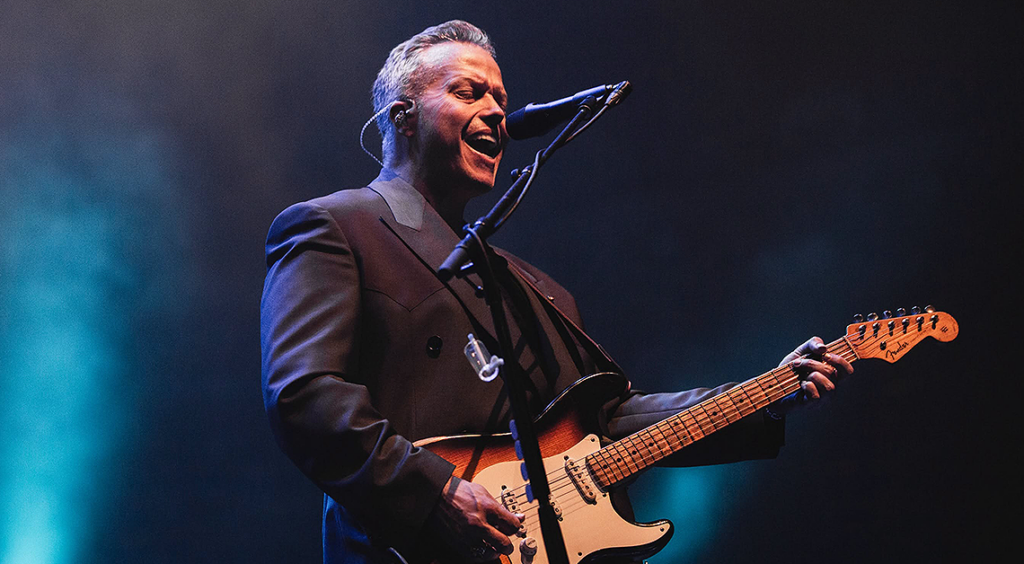
Grammy-winning singer-songwriter Jason Isbell and three other musicians have sued AI music company Suno, accusing the platform of using their identities without permission to create songs that mimic their voices and musical styles.
The proposed class action, filed in a Massachusetts federal court on August 31, takes a different legal route from many of the copyright disputes surrounding AI music.
Isbell, David Lowery of Cracker and Camper Van Beethoven, blues musician Guy Forsyth and saxophonist Eduardo Calle argue that Suno violated their publicity rights by commercially exploiting their names, voices and other identifying characteristics.
Artists Challenge Suno’s AI Safeguards
The lawsuit alleges Suno claims users cannot enter musicians’ names as prompts, but that its systems can still generate music based on those identities.
As an example, the complaint says entering “Jason Isbell” into Suno produced a song called Paper Bell, which allegedly featured the clear male vocals and country twang associated with the singer. The filing also cites alleged outputs involving artists including Buddy Guy, Carly Simon, Common and Chief Keef.
The musicians are seeking unspecified damages and a court order preventing Suno from commercially using their identities without consent.
Suno, meanwhile, has rejected the claims. A company spokesperson told Pitchfork that the allegations were without merit and that Suno was created to help users make original music rather than trade on artists’ names.
A New Legal Front for AI Music
The case comes as Suno faces broader legal pressure over how AI models are trained. Sony Music and Universal Music Group are among companies pursuing separate copyright claims against the platform, while the latest lawsuit focuses on the identity of performers rather than ownership of particular recordings.
The stakes are rising quickly for Suno. The company raised more than US$400 million in June at a US$5.4 billion valuation and said in February that it had surpassed 2 million paid subscribers.
For musicians, the case could help define whether an artist’s recognisable voice and identity can be commercially replicated by AI without permission, even when no specific copyrighted recording is reproduced.
Source: Reuters

Vishal is an experienced Editor at Inspirepreneur Magazine with key interests in artificial intelligence, eCommerce, entrepreneurship, lifestyle and startup sector. Prior to joining Inspirepreneur, he was a Content Writer cum Correspondent at Siliconindia Magazine, where he worked on Company Profiles, Cover Stories, Executive Profiles, Feature Articles and Thought Leadership content.
You Might Also Like

Melbourne Real Estate Investment Opportunity: Why Now Is the Time to Invest

OpenAI Seeks Nvidia Chip Alternatives Amid AI Inference Speed Issues
