


Uber Goes Driverless-ish With Wayve Robotaxis in London
Synopsis
Uber and Wayve have brought autonomous rides to London, although human safety supervisors remain onboard. The launch marks a major milestone for UK robotaxis and gives Uber an early jump on rival Waymo.
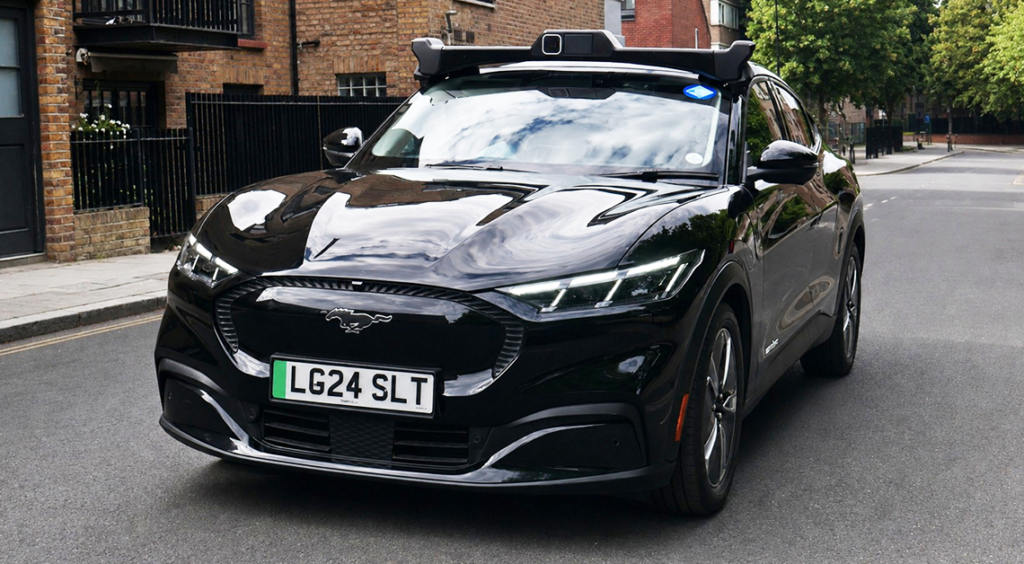
Uber Wayve, a robotaxi service, has begun passenger rides in London for the first time, adding another company to its list of those partnered into its autonomous vehicle services in the United Kingdom.
The service began on September 3, as the electric Ford Mustang Mach-E's driven by Wayve's public transport program partnered with a private-hire company while a driver, licensed with Transport for London, was in the front passenger seat overseeing the ride.
London Service Starts With Small Fleet
Select riders who request UberX, Uber Electric or Uber Comfort will have the option to access the Uber Wayve service, with the exception of London airports, and can choose to opt-in or out of a Wayve vehicle, or switch to an Uber before the driver arrives.
Uber announced that more than 140,000 Londoners had signed up to the service, by the time of its launch. Limited and will be expanded as required, based on demand, as well as regulatory and operational factors.
As of now, Wayve has been testing its self-driving cars on the roads of London since 2018, and the vehicles have been approved as private-hire taxis by TfL, in August. The companies have joined forces to bring their network of robotaxis to 12 markets, they added.
US and China Remain Ahead
The launch of the Uber Wayve robotaxi comes as autonomous ride-sharing companies have expanded beyond their dominant markets in the U.S. and China, into other regions, including London.
According to Counterpoint Research's Global Robotaxi Vehicle Sales and Services Market Forecast, robotaxi services are set to see a market value of $168 billion by 2035, while the global fleet is projected to comprise 3.6 million vehicles. China and the U.S. are estimated to be the two major markets, but Europe is also set to become a large robotaxi market.
Waymo, which operates commercial autonomous rides in California, Arizona, Nevada, Massachusetts and New Jersey, is one of the leading autonomous ride-hailing companies, alongside China's Pony.ai, WeRide and Baidu's Apollo Go, which are preparing to scale up their services. Uber has partnered with Wayve for robotaxi services beyond the U.K., and with Pony.ai to bring self-driving taxis to Europe.
Uber Brings Scale to Autonomous Rides
The Wayve robotaxi launch comes as Uber reported record revenue and ridership figures for the second quarter of 2026, highlighting the scale of its investment in autonomous vehicles.
Revenues for Q2 2026 were up 12% year-over-year to $14.19 billion, gross bookings jumped 24% to $58.02 billion, while trips rose 18% to 3.87 billion.
Uber announced that it has more than 30 autonomous-vehicle partners across its passenger transportation, delivery and freight business, and aims to operate in as many as 15 cities by the end of 2026.
For now, for businesses in Australia and the U.S. that are eyeing autonomous transport as a regulated commercial market, it's a new entrant in an industry that has been largely defined by the U.S. and China.
Source: Bloomberg

Pooja Malik is a business journalist with over six years of experience covering startups, entrepreneurship, and emerging trends. She has previously worked with leading media platforms such as YourStory Media and BW BusinessWorld, where she reported on business, policy, and market developments. Currently, she serves as Editor at The Inspirepreneur Magazine, where she writes and edits stories across business, lifestyle, and travel, with a focus on clarity, accuracy, and reader relevance.
You Might Also Like

India Hits Back at Trump Over Tariffs and ‘Dead Economy’ Claim

NSW to Launch Digital Birth Certificates in 2026
