


Australia’s Plastic Recycling Crisis Gets Worse With RPA Collapse
Synopsis
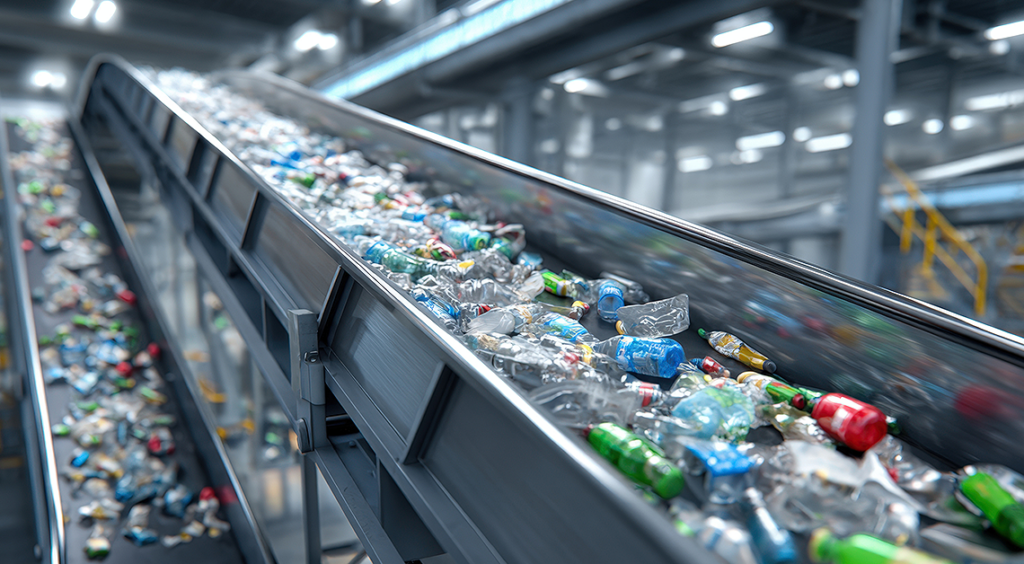
Recycling Plastics Australia has entered voluntary administration, putting about 60 Adelaide jobs and major plastics-processing capacity at risk as Australia’s national packaging reform stalls and industry pressure mounts across Australia.
Recycling Plastics Australia is under voluntary administration with about 60 jobs at its Kilburn plant in Adelaide at risk and more questions on Australia's capacity to ramp up its domestic plastics recycling will be brought into focus.
KPMG's Tim Mableson and Edward 'Ned' Swifte became voluntary administrators on August 31. The first creditors' meeting will be on September 10 as the administrators review the company's liabilities and assets, looking for investors or buyers.
Supplier Failure Removes the Pressure
The administration coincided with the recent downfall of a well-known supplier, said RPA directors. The surprise further complicated an already challenging operating environment and impacted the company's ability to continue to operate as planned.
Established in 2017, it recycles a mix of rigid plastics at Kilburn into granulated and pelletised material, its financial problems are part of a bigger problem for Australian recyclers: having enough demand and supply to ensure that domestic recycling facilities function at economic levels.
Australia's newest Plastics Flows and Fates data shows that 4.0 million tonnes of plastics products and packaging were used in Australia in 2023-24, 3.2 million tonnes of which reached end-of-life. Only 423,000 tonnes was recycled which equates to 13% plastics recycling rate (excluding energy recovery).
$20m Project Faces Fresh Uncertainty
RPA's administration also focuses on a key soft-plastics project funded by government money.
The Australian Government in July 2024, allocated $20 million to technology at Kilburn to clean and process over 14,000 tonnes of soft plastics per year. The project was expected to create 45 jobs.
The company had also funded the recycling infrastructure through a previous round for the better sorting, grinding, washing and pelletising of mixed plastics which has been reported.
The overall capacity constraint is still high for companies using recycled materials. At the end of 2024, DCCEW estimated Australia had 600,000 tonnes of plastics reprocessing capacity, but 300,000 tonnes of plastic reprocessing in 2023–24.
The end-of-life plastics are expected to reach 3.6 million tonnes by 2028–29, planned additions should bring this number to approximately 1.2 million tonnes by that time.
The packaging recovery is also very poor compared to the national packaging recovery target. APCO's newest 2023-24 data shows that plastics packaging recycling or composting is at 20% instead of 70% and the average post-consumer recycled content was 44% against a 50% target.
Source: Smart Company

Pooja Malik is a business journalist with over six years of experience covering startups, entrepreneurship, and emerging trends. She has previously worked with leading media platforms such as YourStory Media and BW BusinessWorld, where she reported on business, policy, and market developments. Currently, she serves as Editor at The Inspirepreneur Magazine, where she writes and edits stories across business, lifestyle, and travel, with a focus on clarity, accuracy, and reader relevance.
You Might Also Like

The Evolution of Elon Musk’s Entrepreneurial Vision

Electric Cars and Data Centres Spark a ‘New Age of Electricity’
