


India-US $500bn Trade Deal Factsheet Revised with Key Changes
Synopsis
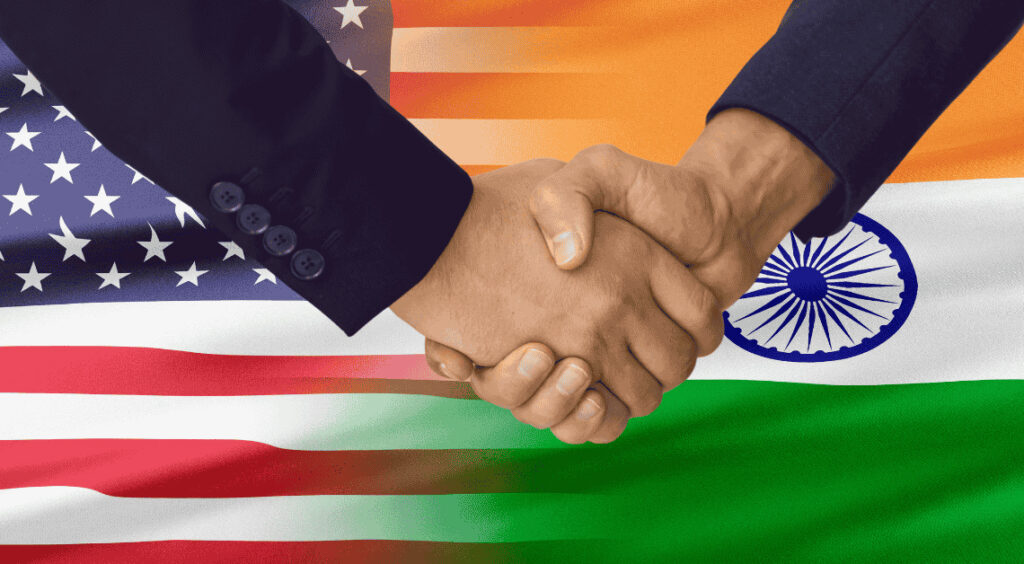
The White House today released a revamped factsheet for the historic India-U. The S. trade deal that unveiled several significant csomehe agreement. Manyted document, a reference to India eliminating tariffs on “pulses” has been deleted. And the language about India’s $500 billion purchase of American goods has also been changed from a “commitment” to an “intention.” This latest information sheds more light on the ongoing negotiations between the two countries as they work towards a final stable partnership in the future.
White House officially made public its document signed by Prime Minister Narendra Modi and President Donald Trump on Wednesday but with several noticeable differences revealing that there were some last-minute changes which could have been behind the ruckus at Rashtrapati Bhavan. The United States expunged numerous previous references to agricultural products, softened the language about India’s enormous spending promises and promised that firms from both countries would reach a mutual understanding about Indian regulations. These shifts indicate that, as both countries continue to advance on the “interim” deal, the details of what will be purchased and taxed are in flux.
The revisions contain $500 billion purchase plan. In the original document, Washington said India was “committed” to purchase half a trillion dollar worth of American goods in five years. The revised fact sheet now says that India “intends” to purchase such equipment. This change in linguistic framing grants New Delhi greater flexibility and suggests that the $500 billion number is a target rather than a legally enforceable commitment.
Pulses and Agricultural Products Removed
The revised factsheet omits the word pulses from the list of items that will attract lower taxes in India. In the previous set, the U.S. said India would ease or end tariffs on dried peas as well as lentils and beans. But the new version includes only products like tree nuts, fresh fruit and soybean oil.
What’s more is that the $500 billion purchase list has been trimmed. Although the initial document stated that India would purchase more agricultural goods, that phrase is now missing in the latest edited text. Instead, all the attention has been placed on energy communication technology, and coal. That says India may also be shielding its local farmers by leaving some of the barriers up against American food imports, while running faster on technology and fuel deals.
Digital Tax Language Softened
Another significant change involves the Digital Services Tax that India imposes on American technology giants such as Google and Amazon. The original factsheet specifically said, India will repeal its digital service taxes. The replacement is far more ambiguous, simply that India has committed to discuss new rules on digital trade.
The instruction is a victory for Indian negotiators who now can maintain their existing tax system while they seek to work out a permanent replacement deal with the United States. This is potentially bad news for American tech companies, whose steep fees to operate in India might not vanish as quickly as they originally had hoped. Both countries have agreed to work on bilateral digital trade rules that will prevent unfair practices, though the timeline for these changes is more nebulous now.
Tariffs Still On Table
For all the changes though, the essence of the deal is still a big win for Indian exporters. The proposal to bring down U.S. tariffs on Indian goods from 50% to 18% remains on the table. This can range across most of the items we commonly purchase, such as clothing, leather shoes, and plastic goods (home decor). That lower tax rate is expected to make Indian products dramatically cheaper for American consumers, and enable India to better compete with other manufacturing hubs like Vietnam.
It comes after Prime Minister Narendra Modi and President Donald Trump spoke on the phone a few times. It’s a bit more complicated than was originally announced, as the revised India-US Trade Deal Factsheet indicates, but it is still one of the most important trade announcements between the two countries in decades. Both sides are now aiming for a final signing ceremony, which is expected to be held in Washington later this year.
Key Highlights
- The White House shifted India’s promise of $500 billion from a “commitment” to an “intention.”
- A reference to pulses and agricultural products was deleted from the list of tariff cuts.
- India is no longer explicitly called on to roll back its digital taxes right away.
- U.S. tariffs on Indian clothes and leather will fall again, to 18 per cent from 50 per cent.
- Talks for a permanent digital trade agreement are continuing.
Follow Inspirepreneur Magazine for the latest American business breaking news.

At Inspirepreneurs Magazine, covering entrepreneurship, business failures, and the human stories behind the world's most ambitious founders. She writes at the intersection of strategy and storytelling.
You Might Also Like
Bitcoin Dips Below $65,000 as New Tariff Moves Shake Crypto Markets

GameStop’s bold eBay bid sparks investor skepticism over funding and strategy
