


Is AI Deciding Your Big Mac Price? McDonald Sued Over AI-Price Fixing
Synopsis
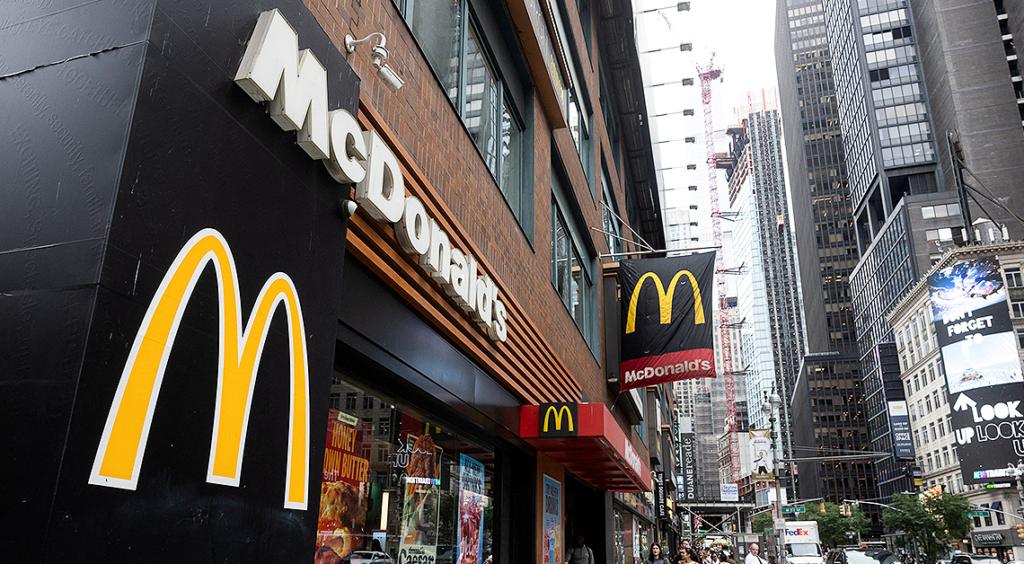
McDonald’s is facing a proposed US class action over alleged AI-driven price coordination. The case raises important questions for founders using AI to set or recommend prices.
Key Highlights
- McDonald’s has been sued in Chicago.
- The lawsuit claims McDonald’s violated US antitrust law by colluding with independent franchisees to set prices using algorithms trained on nonpublic data.
- McDonald’s argues that the claims are “speculative and unfounded.” As it turns out, AI does not determine the price of menu items.
- The plaintiff is an Illinois resident and wants to represent possible millions of McDonald’s customers.
What Happened
McDonald's is being sued in Chicago federal court. According to the suit, the company uses an AI-driven pricing system that coordinates menu prices across its franchises and company-owned restaurants. McDonald’s allegedly conspired with its independent franchisees to use algorithms trained on nonpublic data to fix prices, the suit says.
The plaintiff, an Illinois resident, intends to represent a class of millions of customers. The lawsuit plainly states that “Independent businesses should price their own goods.”
McDonald’s pricing engine applies machine-learning algorithms to continue analysing data from millions of daily transactions throughout its nearly 14,000 restaurants. The report also noted that other fast-food companies are utilising AI for pricing and other related operations.
McDonald’s is using its vast cache of data and franchised system to nickel-and-dime consumers down to the last French fry, said Lark Turner, a lawyer for the plaintiffs.
McDonald’s responded on Monday. The allegations were “speculative and uninformed,” it said, adding that AI does not set the price of a Big Mac or any other item. Franchisees set their own prices, the company says, and across industries pricing recommendation tools and analytics are widely used.
Why It Matters
The question in court is the point at which the pricing tips off ends and price coordination begins. The lawsuit claims that if many outlets rely on the same central system to set prices, they can’t be setting those prices independently any more. McDonald’s says they are.
The case is not an exception. In the US, a new wave of class actions by plaintiffs in recent years has alleged that companies illegally colluded to coordinate on prices for hotel rooms, apartment rentals and other purchases using algorithms or AI. All enterprises leveraging, or looking to leverage shared-value-pricing applications should pay attention as these cases proceed.
What Founders Can Learn
You might never oversee 14,000 restaurants, but maybe you will use tools that recommend prices or sell via partners who individually set their own. Sometimes, even the actual price itself matters little more than how you arrived at the price. If a tool uses data from competitors or partners you might be inadvertently walking into a grey area.
The lawsuit included a news report on the prices McDonald’s charges for its menu. Information that is made public about how your business operates can be used against you in the future.
The Inspirepeneur Question
If the pricing tool you rely on gave the same advice to all your competitors, would you still call your pricing your own?
Source: Reuters

At Inspirepreneurs Magazine, covering entrepreneurship, business failures, and the human stories behind the world's most ambitious founders. She writes at the intersection of strategy and storytelling.


