


Trump Chip Tariffs Put Asian Semiconductor Makers Under Pressure
Synopsis
Donald Trump is preparing another tariff push targeting imported semiconductors, with companies manufacturing chips in the US potentially escaping the levies. The move aims to strengthen domestic chip production and reshape global supply chains.
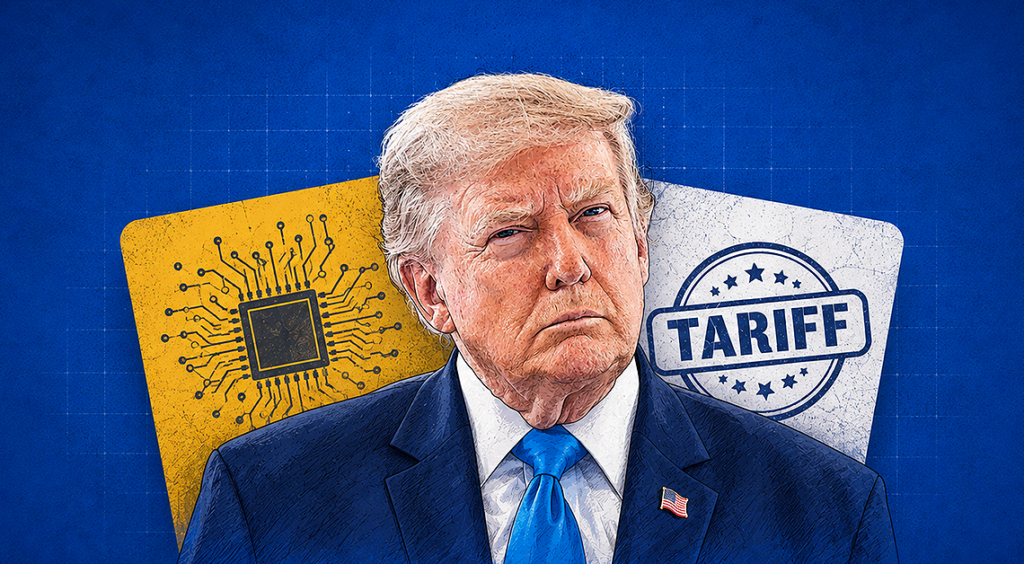
Trump Chip Tariffs are being developed in a framework that would tie import duties on semiconductors to the level of foreign chip manufacturing in the United States, Commerce Secretary Howard Lutnick said on September 2.
Companies that do chip manufacturing in the United States will not be affected by the tariffs but others with low manufacturing will be, Mr. Lutnick said. The administration has yet to make a final decision on tariff levels or a start date.
Taiwan, South Korea Face Greater US Pressure
Trump’s chip tariffs plan comes at a time when the advanced semiconductors are still heavily produced in Asia, with Taiwan having the most advanced production methods and South Korea being a major supplier of memory semiconductors, with Japan and China also being important players in the global supply chain.
Lutnick was especially pushing Samsung Electronics and SK hynix to ramp up semiconductor production in the USA, while also noting other firms like TSMC and Micron that have made substantial investment commitments in America.
In its latest announced commitments for investments in the United States, TSMC has invested US$165 billion in various facilities in Arizona. Micron has separately laid out plans for the U.S. manufacturing expansion that are worth a multi-billion-dollar investment.
As the semiconductor industry expands worldwide, the Trump chip tariffs are also following. The SEMCO (Semiconductor Industry Association) estimated that total global chip sales grew 35.1% to US$403.3 billion in the second quarter of 2026. The value of June sales totaled US$134.5 billion, 123.6% above a year ago.
TSMC Revenue Rises 37% Through July
In July, the TSMC (Taiwan-based chip maker at the core of the US supply-chain dispute) had revenue of NT$467.58 billion, up 44.7% from July 2025.
The first seven months of 2026 recorded revenue of NT$2.87 trillion, a 37% increase over the previous year.
The Trump chip tariffs would also coincide with a time when the United States’ overall aim is to boost domestic semiconductor manufacturing. The government is considering tariffs on end products that are made with chips such as data-centre servers, laptops and gaming consoles.
The US remained the largest market for semiconductors with 46% of world revenue and manufacturing capacity was still high in the rest of the world, according to The Semiconductor Industry Association’s 2025 State of the U.S. Semiconductor Industry report. The key manufacturing cities found in the chain include Taiwan, South Korea, Japan and China.
The Trump chip tariffs, for now, are still being developed and the Administration has not released the final tariff structure, tariff rates, and exemptions.
Source: Bloomberg

Pooja Malik is a business journalist with over six years of experience covering startups, entrepreneurship, and emerging trends. She has previously worked with leading media platforms such as YourStory Media and BW BusinessWorld, where she reported on business, policy, and market developments. Currently, she serves as Editor at The Inspirepreneur Magazine, where she writes and edits stories across business, lifestyle, and travel, with a focus on clarity, accuracy, and reader relevance.
You Might Also Like

Matt Agnew: From Reality TV Star to Non-Alcoholic Beverage Innovator

Experts Question Australia’s Energy Exports Amid National Fuel Crisis
