


ASX 200 Falls to 3-Month Low as Oil Rally Fuels Inflation Fears
Synopsis
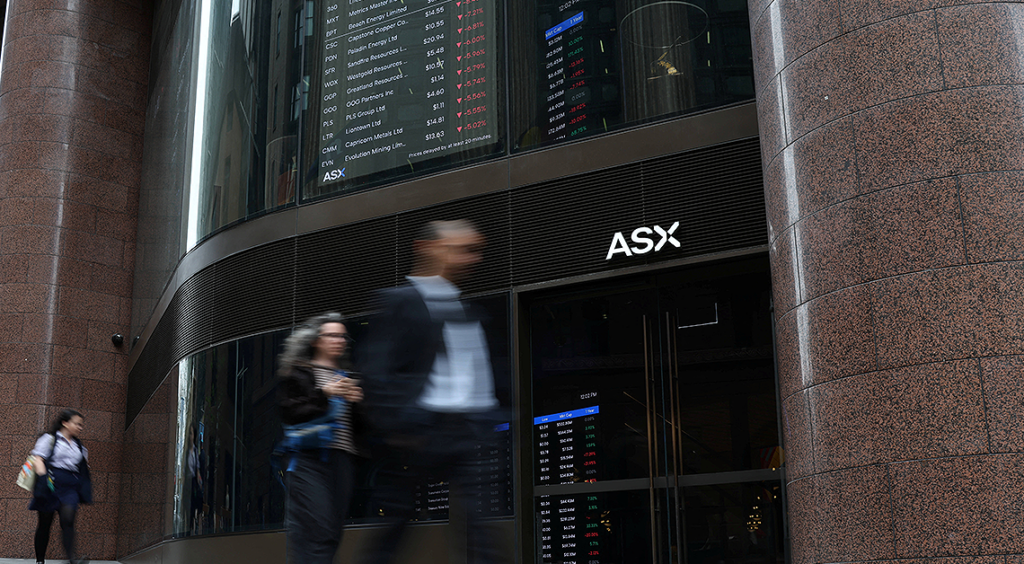
Australian shares fell to a more than three-month low as rising oil prices renewed inflation concerns and weighed on resources, financial and consumer stocks.
Key Highlights
- The S&P/ASX 200 lost 1.2% to 8,658.10, its lowest level since June 12.
- The index fell as much as 1.4% earlier in the session.
- Oil rose almost 4%, reviving concerns over inflation and interest rates.
- Resources stocks declined 2%, and financials fell 1.5%.
- Energy was one of the only sectors to rise, up 1.1%.
- More than 3-Month Low Drops in Australian Shares
Australian shares sank to their lowest level in more than three months on Thursday as higher oil prices revived inflation and interest rate concerns.
The S&P/ASX 200 fell 1.2% to 8,658.10 at the open of trade here on Wednesday, Oct. Earlier in the session, it also fell as much as 1.4% to its lowest since June 12. Investors reacting to a sharp spike in oil prices and the possibility of persistently high inflation, were sending most sectors lower.
Oil Rally Revives Inflation Concerns
International crude oil extended gains overnight after a nearly 4% rise, amid renewed tensions with Iran. Oil prices have ticked higher raising hopes that tensions in the Middle East could ease soon.
Australia was grappling with increased inflation prior to the development of the conflict in the Middle East, and fuel prices have risen since news from that region began shaking international oil markets.
That has fueled concern that inflation will be more stubborn than previously thought, meaning monetary policy may remain tight for longer as it’s unlikely a cut in oil production would have lasted.
Interest Rates Always the Elephant in the Room
This year, the Reserve Bank of Australia has lifted its cash rate by 75 basis points overall and cautioned that rates might have to be raised again to tame inflation.
Later on Thursday, Australia releases its monthly employment data which will be under scrutiny from investors. That’s the last of big economic releases before policy-makers meet to set interest rates next week. Yields on short- and long-term government bonds also climbed.
Higher interest rates can also increase the cost of financing business investment, putting pressure on shares. They also make bonds more attractive to investors vis-à-vis equities. The resources and the banks dragged down the market.
Copper prices dropped from near the highs this week as the US dollar lifted and this saw 2% drops in some of the largest resources players. BHP was down 4.5% and Rio Tinto dropped 3.1% BHP said separately that operations at its Escondida copper mine in Chile were halted after a worker died following an incident.
Financial stocks came under pressure too, with banks down 1.5%, the lowest level in two weeks. The four major banks in Australia all fell 1.8% to 2.1%. Real estate stocks, sensitive to interest rates, were down 1.4%, while consumer discretionary stocks fell 1%.
Energy Stocks Move Higher
Oil prices rose, helping lift energy, one of the few sectors trading in positive territory on the day,1.1%. Woodside Energy gained 1.2% and Santos rose 1.4%. The recovery in energy stocks came as the wider Australian market slipped, with investors weighing up rising oil prices’ impact on inflation and interest rates.
Inflation Outlook at the Forefront of Australian Market Focus
The latest market fall comes as investors weigh up the prospect of higher oil prices potentially adding to inflationary pressures and impacting the Reserve Bank’s interest rate decisions. The monthly jobs figures will be subsequently closely watched by investors ahead of the RBA’s policy meeting next week.
What it means for Australasian businesses and entrepreneurs
Rising oil prices and stronger interest rates call into question the impact of higher commodity prices and economic growth on Australian shares as it became evident that inflation had risen again sending global stock markets on a slide last week. The high-cost financing of business investment can hurt more with higher rates and higher fuel costs applying some operating cost pressure.
For Australian businesses and entrepreneurs, oil prices on the market, inflation expectations, employment data and the Reserve Bank’s next interest rate decision are closely monitored.
Source: Thestar

At Inspirepreneurs Magazine, covering entrepreneurship, business failures, and the human stories behind the world's most ambitious founders. She writes at the intersection of strategy and storytelling.
You Might Also Like

ANZ New Zealand CEO Antonia Watson to step down after 7 Years in top role

OpenAI picks Singapore for first applied AI lab outside the United States
