


Sydney Businesses Rage Over Financial Impact of NSW Train Disruptions
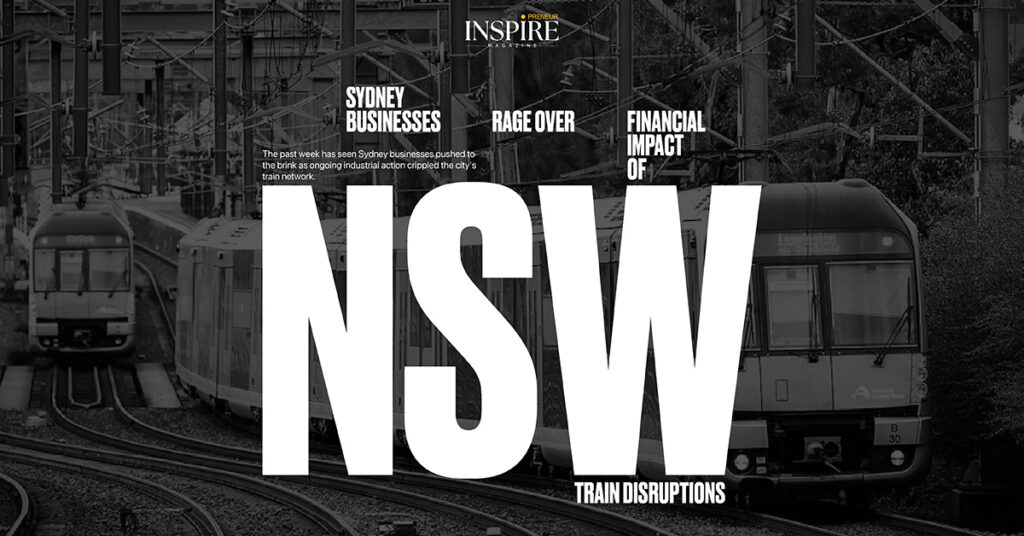
The past week has seen Sydney businesses pushed to the brink as ongoing industrial action disrupted the city’s rail network. The disruption, which comes at a delicate time for many businesses still recovering from post-pandemic challenges, is leaving economic scars that are hard to ignore.
With up to $49 million bled from the NSW economy every 24 hours amid the chaos, the ripple effects of these disruptions have reached every corner of Greater Sydney. Business owners are fuming, livelihoods are at stake, and patience, for many, is running thin.
$49 Million Per Day – The Human Cost of Train Chaos
According to an analysis from Business NSW, the daily financial damage caused by the train disruptions is staggering. Small enterprises, particularly those in the hospitality sector, are feeling the brunt of the economic fallout. Reports of mass booking cancellations and plummeting foot traffic in key areas are painting a grim picture of a city paralysed by gridlock.
David Harding, executive director of Business NSW, shared a sobering anecdote from one of many affected small business owners in the CBD.
"A café owner told me this morning, ‘I am on the train before dawn every morning to open up. To get here and have next to no customers—and then to have to throw out hundreds upon hundreds of dollars worth of food—is really hard to take’,” Harding recounted.
For many business owners already walking the financial tightrope, the disruptions couldn’t have come at a worse time.
Industrial Action Halts the City
An industrial dispute between the NSW government and the Rail, Tram and Bus Union (RTBU) over pay increases for train operators has caused the financial blow.
Last Wednesday, Sydney experienced the cancellation or reduction of more than 1,000 train services, with the chaos carrying over to Thursday. After days of disruptions, the Fair Work Commission issued an interim order late Thursday, pausing the action and preventing the union from interfering with train services pending a formal hearing next week.
However, widespread cancellations have already damaged businesses, affecting not just local enterprises but also critical supply chains reliant on operational public transport.
Premier Chris Minns, cutting short his holiday to address the crisis, expressed frustration over the RTBU’s decision to push forward with the action.
“When the union says negotiations, what they really mean is that they’re going to continue putting a noose around the public transport system while demanding more and more money from the NSW government,” Minns stated.
Rail Workers’ Pay Dispute Divides Opinion
At the heart of the tense negotiations is a bid from the RTBU for a substantial 32% pay rise for drivers, citing wage discrepancies and rising living costs. While Transport NSW notes that Sydney Train drivers currently earn an average of $128,196 annually, the Rail, Tram and Bus Union argues their base salaries sit significantly lower at £78,388 per year.
The government, on the other hand, has offered a substantial yet lower pay increase of 15%.
David Harding has criticised the RTBU’s decision to proceed with industrial action, further inflaming tensions.
“A lot of workers could only dream of the sorts of pay rises being thrown at RTBU members,” Harding said. “It’s time they accepted the offer and let the city get back to normal.”
Business NSW Steps into the Fray
Recognising the immense strain on small and large enterprises alike, Business NSW is stepping up its involvement in arbitration efforts. The organisation is actively collecting testimony from affected businesses to assist the NSW government in presenting their case against the RTBU in the upcoming Fair Work Commission hearing.
"Our members are telling us that this is more than just a logistical nightmare—it’s a financial one too,” said Harding. “We are working hard to ensure their voices are heard.”
With countless Sydney businesses still reeling from years of lockdowns and restrictions, many argue that their ability to endure fresh economic hits is wearing dangerously thin.
Premier Minns Takes a Stand
Premier Minns has painted the picture clearly—Sydney residents and businesses have “had enough.” That frustration isn’t limited to train passengers;
Whether the pause ordered by the Fair Work Commission marks the beginning of the end of these industrial actions remains uncertain. Amid an already fragile economic landscape, there’s no doubt that how this situation unfolds will shape the confidence, trust, and financial recovery path of countless Sydney businesses.
Awaiting a Return to Normalcy
This week’s disruptions are a stark reminder of how critical infrastructure is to the lifeblood of commerce. While debates about fair worker compensation are important, equally vital are the livelihoods that sustain Australia’s largest city.
The coming days will reveal whether the pause in industrial action offers real resolution or serves as a brief reprieve for businesses. One thing is certain—Sydney’s business sector, bruised but resilient, is watching eagerly for a return to normalcy.
Source
Explore more entrepreneurial insights and success stories at Inspirepreneur, your go-to magazine for business innovation and leadership.

At Inspirepreneurs Magazine, covering entrepreneurship, business failures, and the human stories behind the world's most ambitious founders. She writes at the intersection of strategy and storytelling.
You Might Also Like

Kevin Mandia’s Armadin raise $190M for AI Security Agents

Neal Mohan: Blazing Trails in Video Streaming and Advertising
