Thailand Tightens Health Rules For Cave Tourism
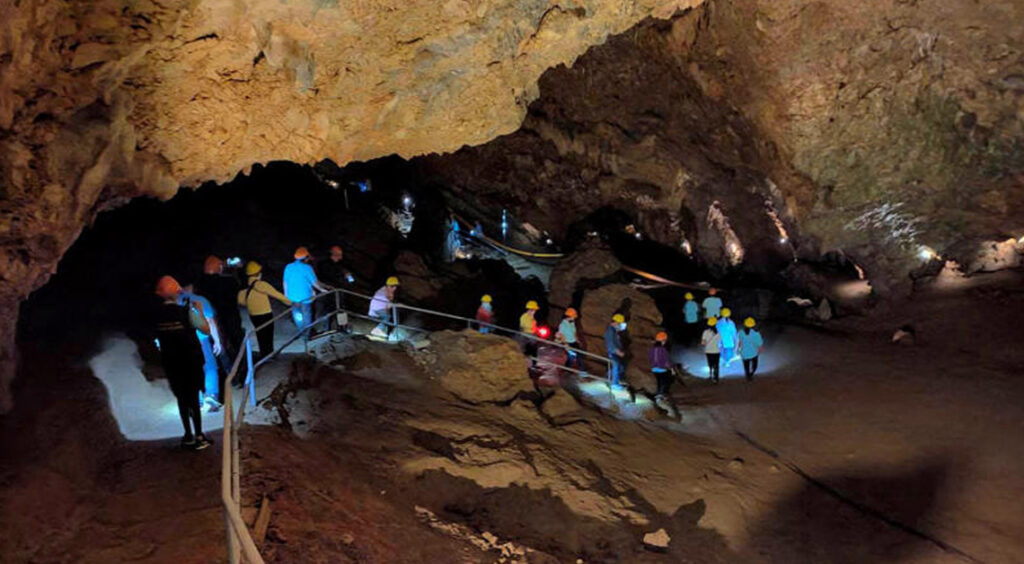
Department of National Parks mandates N95 masks, gloves, goggles, full coverage clothing, "no hunt, forage, eat" rules for cave visitors amid stable 10-16% bat virus prevalence versus 40% outbreak zones.
Thailand is stepping up safety at its tourist caves after neighbouring countries reported cases of the deadly Nipah virus.
The Department of National Parks, Wildlife and Plant Conservation said on January 26 that while Thailand has not recorded any human infections, officials are acting early because of the virus’s extremely high fatality rate. New rules require visitors and staff to wear masks, eye protection and gloves, along with long-sleeved clothing and closed shoes. Hand-washing and wound-cleaning stations have also been placed at cave entrances and exits.
Authorities have banned eating, drinking and contact with wildlife inside caves under a strict “don’t hunt, don’t forage, don’t eat” policy. The measures come after studies showed the virus is present in an estimated 10–16% of bats, prompting officials to limit any activity that could increase the risk of exposure.
Nipah Virus Risk Profile
Authorities stressed that the new rules are precautionary, pointing out that bat infection levels have not increased. The virus, however, can spread through contact with urine, droppings or respiratory droplets, prompting officials to act early.
At cave sites, clear signage has been put up to explain the risks without alarming visitors. Screening measures follow the playbook used during the COVID-19 pandemic, with close coordination between park authorities and the Ministry of Public Health, as well as health checks at airports for travellers coming from affected regions.
Operational Safety Measures
After leaving cave sites, visitors are required to wash thoroughly, and anyone with cuts or injuries is advised to seek medical attention. Touching wildlife with bare hands is not allowed under the new rules.
Authorities said the guidelines will be reviewed and adjusted as more information becomes available. The aim, they said, is to keep caves open to tourists while ensuring both public health and fragile ecosystems are protected.
Stay updated with the latest news on Inspirepreneur Magazine.

At Inspirepreneurs Magazine, covering entrepreneurship, business failures, and the human stories behind the world's most ambitious founders. She writes at the intersection of strategy and storytelling.
You Might Also Like

From Garage to Global: The Entrepreneurial Mastery of Ben Francis

Shield AI hits $12.7 billion valuation as defence tech demand surges