


Movie Chains Eye Joint Premium Format to Compete With IMAX

Synopsis
Three of the U.S.'s largest theater chains—Cinemark, Regal, and Marcus Theatres—are in early discussions about establishing a single premium large format (PLF) brand. Although each currently has its own upscale format (Cinemark XD, Regal…
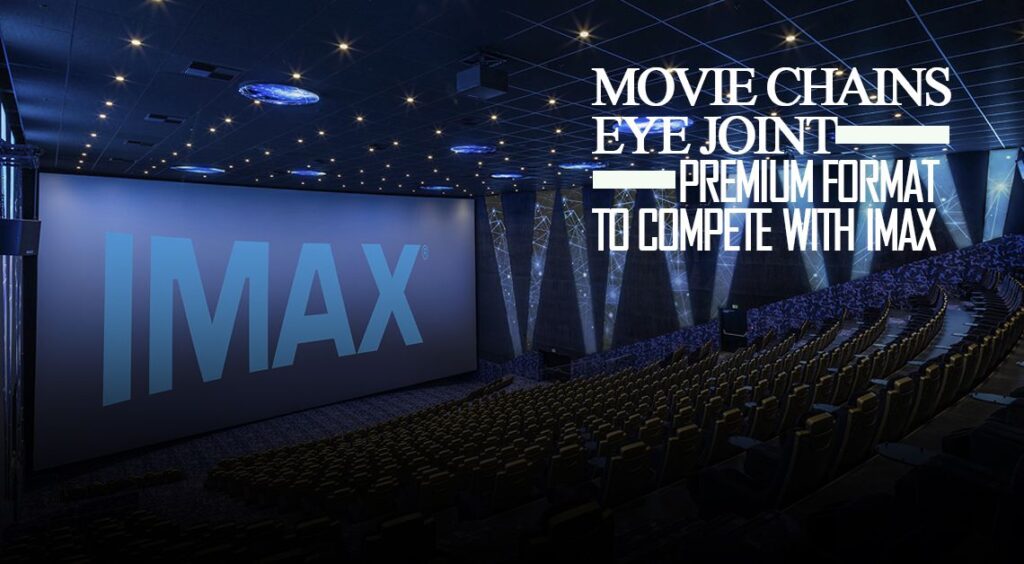
Three of the U.S.'s largest theater chains—Cinemark, Regal, and Marcus Theatres—are in early discussions about establishing a single premium large format (PLF) brand. Although each currently has its own upscale format (Cinemark XD, Regal RPX, and Marcus' UltraScreen DLX), the new effort would unite them under a single name, hoping to provide a consistent premium experience across theaters throughout the country.
The concept is to compete more effectively with IMAX, which has long ruled the premium film arena. Through an alliance, the chains might be able to consolidate technology, design, and marketing while providing a big-picture alternative that allows them more control over their product and profits. Such a shared network would also facilitate joint advertising initiatives and greater leverage when bargaining with studios, enabling all three chains to expand their audience base and revenue.
IMAX's Increasing Clout Raises Fears
Though it has fewer than 400 theaters in the United States, IMAX often generates more than 10% of big-picture box office revenue. Its brand name is usually featured prominently on posters, trailers, and even marquee signs, sometimes over the movie itself. Chain theater operators believe this dominance at the marketing level directs attention away from their own high-end products and brands, and restricts their exposure with consumers.
To add insult to injury, IMAX's revenue-sharing scheme provides it with the ability to install its projection equipment at lower rates for theaters but, in exchange, it claims a percentage of each ticket sold. In the long run, this dramatically slashes profits for the chains. The new combined format being debated might help eliminate this middleman, keeping more of the money within the chains while still providing the same quality of view that the fans are accustomed to.
Collaborative Format Would Save Theatres Money and Strengthen Brands
A shared premium format would also enable theatres to reduce equipment licensing costs, establish uniform viewing standards, and minimize repeated marketing expenses. It would enable them to share budgets for larger campaigns, develop cross-chain loyalty schemes, and leverage collective branding to increase trust and brand awareness among patrons.
There is also increasing interest from the studios seeking wide-scale, high-quality exhibition opportunities beyond IMAX. With consumers returning to the cinema after the pandemic, chains believe that this is the perfect time to roll out something new and collaborative. While all plans are still under discussion, the initiative could redefine the premium movie sector by 2026.
Stay informed. Stay inspired. Subscribe to Inspirepreneur Magazine’s Newsletter for the latest developments on global conflicts, leadership insights, and strategic innovations shaping tomorrow’s world.
At Inspirepreneurs Magazine, covering entrepreneurship, business failures, and the human stories behind the world's most ambitious founders. She writes at the intersection of strategy and storytelling.
You Might Also Like

China Tightens Economic Grip Amid US Sanctions and Trump’s Return

Australia’s Qantas Expands Europe flights as Iran war Disrupts Global Travel
