


AI in Admin Tasks Can Save UK Workers 122 Hours a Year, Google Reports
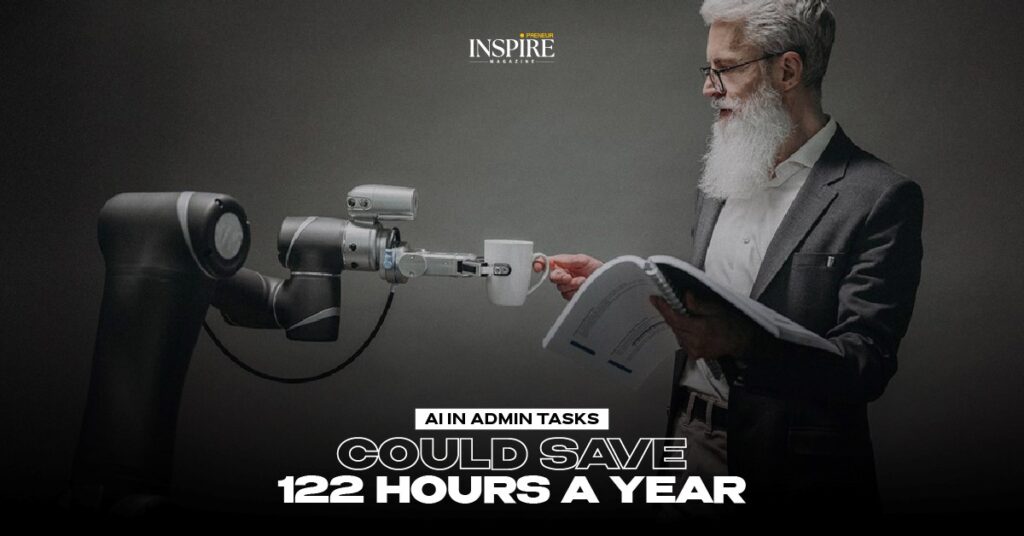
AI in admin tasks is making headlines, with new findings showing just how much time British workers could save each year. According to Google, if the workforce adopted AI-powered tools for admin work, employees could reclaim up to 122 hours annually. This report, based on a UK pilot scheme, suggests the benefits extend beyond mere time saving. They could add a massive boost to the national economy.
Why AI in Admin Tasks is a Game-Changer
AI in admin tasks refers to using artificial intelligence to help with repetitive office work, like scheduling meetings, answering emails, or organising files. Google’s research, carried out with analytics firm Public First, found that Britain could unlock £400 billion ($533 billion) in growth if staff received the proper AI training. This would mean using AI not just as a novelty but as a core part of daily work, especially for administrative functions.
AI Tools Remove Admin Headaches
The pilot, called AI Works, showed that even basic administrative tasks can eat into work hours. Simple jobs like arranging calendars, responding to messages, or drafting routine documents can add up. But with tools such as Google’s Gemini AI chatbot and similar platforms, these chores can be managed faster and more efficiently.
Crucially, the research found that with just a few hours of training, people doubled their use of AI. Staff who received guidance soon made AI a regular part of their routine.
How Simple Changes Can Boost AI Adoption
Giving Permission to Use AI in Admin Tasks
One surprising barrier was psychological. Many workers worried that relying on AI for admin tasks might not be legitimate or fair. Debbie Weinstein, Google’s EMEA president, explained that people were asking, “Is it okay for me to be doing this?” For many, a manager’s go-ahead to “prompt the AI” was all the encouragement needed.
Training Makes a Big Difference
Once employees received training, their confidence grew. The pilot study found that just a few hours of hands-on learning was enough to transform attitudes towards AI. Before training, only 17% of women over 55 used AI tools weekly, and just 9% daily. After three months, weekly use jumped to 56% and daily use to 29%. This rapid change showcases the power of proper guidance in breaking down barriers.
Who Stands to Benefit?
Closing the AI Adoption Gap
A striking finding from Google’s report is that two-thirds of workers, particularly older women from lower-income backgrounds, had never used generative AI at work. The right support could help bridge this digital divide, making AI in admin tasks more accessible to all.
Small Businesses and Education Take the Lead
Google’s pilot scheme ran in a small business network, educational trusts and a union. These settings showed that AI isn’t just for tech giants. Even in smaller organisations, a little AI training can free up valuable time, letting staff focus on higher-value work.
What 122 Hours Means for Workers and the UK Economy
Saving 122 hours a year means about three full working weeks per person. Across the whole country, this could lead to huge efficiency gains and cost savings. For the UK, this isn’t just about individual productivity. If AI in admin tasks were widely adopted, Google says the national GDP could increase by £400 billion, driving overall economic growth.
Barriers to AI in Admin Tasks (And How to Overcome Them)
Overcoming Uncertainty
Workers’ initial hesitation often comes from not understanding what AI can do or whether it’s allowed. Organisations can help by making it clear that using AI for admin is not only permitted but encouraged.
Building Digital Confidence
For AI in admin tasks to really take off, employees need to feel comfortable and capable. Providing tailored training, especially for older workers or those less confident with new tech, is crucial.
Maintaining Fair Use
Clear guidelines help ensure people use AI responsibly. Ensuring transparency over what AI tools are used for, and how they impact workflows, builds trust across the team.
Simple Steps to Accelerate AI in Admin Tasks
- Permission: Vocal support from leaders that using AI for admin work is encouraged.
- Training: Offer easy-to-understand sessions for all employees, focusing on practical use cases.
- Ongoing Support: Create a culture where questions are welcomed and learning continues.
- Celebrating Success: Highlighting time saved or admin made easier thanks to AI encourages further adoption.
AI’s Potential in Everyday Work
AI in admin tasks has the power to reduce tedious work and free up workers for tasks that need creativity and judgment. This is particularly important as Britain looks to boost its productivity and make the most of new technology.
Small, practical changes—like a green light from management and a few hours of effective training—could shift attitudes across the workforce. If more businesses take a proactive approach, the national impact could be transformational.
Making AI a Habit
The results from Google’s pilot scheme show how quickly habits can form with the right support. After initial training and reassurance, staff used AI twice as much and stuck with it months later. The evidence is clear: investing in permission and practical guidance pays off, for both individuals and the wider economy.
Explore more entrepreneurial insights and success stories at Inspirepreneur, your go-to magazine for business innovation and leadership.

At Inspirepreneurs Magazine, covering entrepreneurship, business failures, and the human stories behind the world's most ambitious founders. She writes at the intersection of strategy and storytelling.
You Might Also Like
Alcoa Seals $8 Bn South32 Deal as Matthew Daley Takes Over as CEO

Australia’s BNPL Reset: Why fintech founders must rethink growth
