NSW Introduces Statewide Shared e-Bike Laws with Hefty Fines
Synopsis
NSW has introduced statewide regulations for shared e-bike operators, including stricter parking rules, fines of up to A$55,000 and a new levy to fund parking infrastructure.
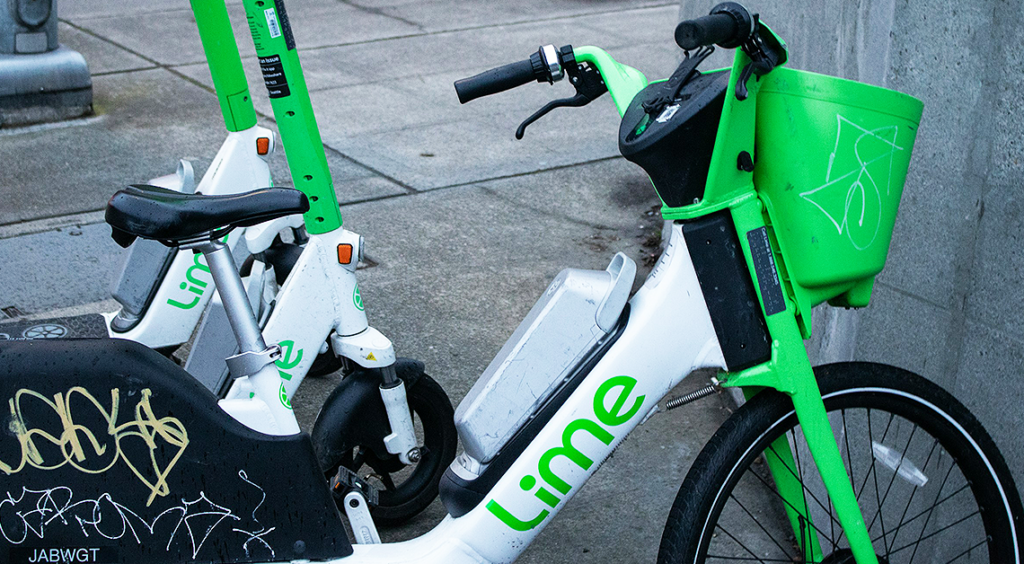
NSW has introduced Australia's first statewide regulations for shared e-bike operators, requiring companies to obtain government approval before deploying bikes and making them accountable for where the vehicles are parked.
The new laws which took effect on 14 August, aim to reduce footpath clutter and improve pedestrian safety after years of complaints about poorly parked shared e-bikes.
Operators, including Uber-backed Lime, must now secure approval from Transport for NSW and relevant local councils or land managers before expanding their fleets.
The reforms also introduce penalties of up to A$55,000 for failing to remove improperly parked bikes while a new levy on e-bike trips will help fund parking infrastructure across the state.
Operators Face Stricter Rules and Higher Penalties
Under the new framework, shared e-bike operators are responsible for ensuring their bikes are not left near pedestrian crossings, bus and light rail stops, taxi ranks, fire exits or other locations where they could obstruct public access.
Companies that fail to remove illegally parked bikes may face fines of up to A$55,000 with additional penalties of A$5,500 per day if the issue remains unresolved. Local councils have also been granted powers to establish dedicated parking bays, designate no-go or slow-speed zones and limit fleet sizes based on demand and operator performance.
Levy to Fund Infrastructure and Improve Safety
The NSW government has introduced a per-trip levy on shared e-bike rides to support a A$6.6 million grant program. Under the initiative, councils can apply for grants of up to A$200,000 to build dedicated e-bike parking facilities.
Transport Minister John Graham said the reforms are designed to preserve the convenience of shared e-bikes while addressing community concerns about safety and public spaces.
The new regulations also complement tougher rules for privately owned e-bikes including a 250-watt power limit, a minimum rider age, stricter battery safety standards and expanded powers allowing police to seize and destroy illegal vehicles.
According to Transport for NSW, the reforms are intended to support the continued growth of shared e-bikes as one of the state's fastest-growing transport options while ensuring streets remain safer and more accessible for pedestrians.
Source: Startup Daily

Vishal is an experienced Editor at Inspirepreneur Magazine with key interests in artificial intelligence, eCommerce, entrepreneurship, lifestyle and startup sector. Prior to joining Inspirepreneur, he was a Content Writer cum Correspondent at Siliconindia Magazine, where he worked on Company Profiles, Cover Stories, Executive Profiles, Feature Articles and Thought Leadership content.
You Might Also Like

130-Year-Old Australian Retailer Betts to Close 20 Stores

Mark Zuckerberg: A Case Study in Disruption, Innovation, and Controversy