Union Pacific, Norfolk Southern Defend $85 Bn Merger With Divestment Offer
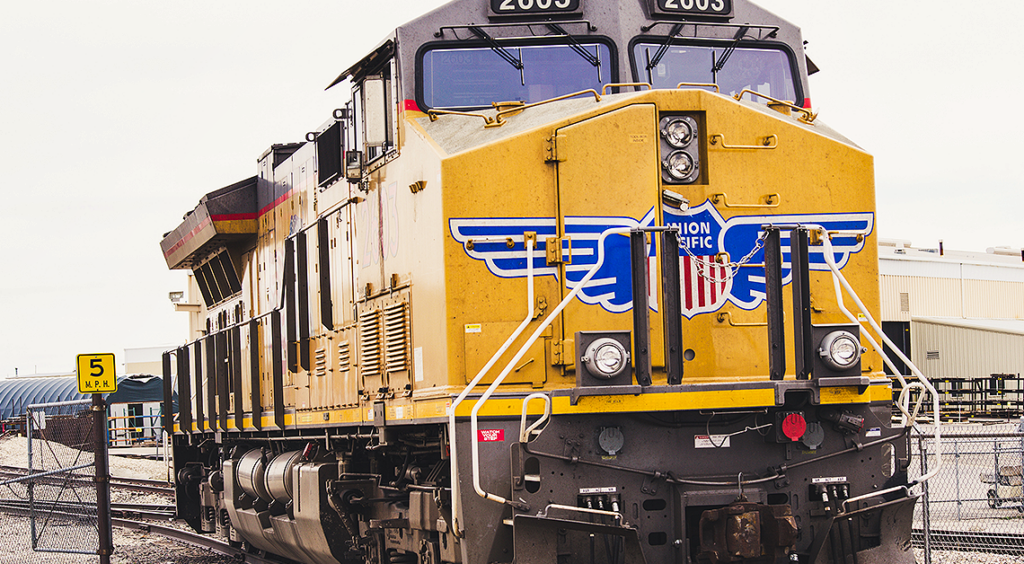
Synopsis
The rail operators have offered to divest stakes in several jointly owned rail assets as they seek regulatory approval for a merger that would create the first U.S. coast-to-coast freight rail network.
Key Highlights
- Norfolk Southern and Union Pacific merger partners offered $750 million in concessions to sell off stakes of lesser railroads.
- An $85 billion merger of the Union Pacific and Norfolk Southern would create the first U.S. coast-to-coast freight railroad
- The companies anticipate that the transaction will close in 1H2027, pending antitrust approval.
The Norfolk Southern Union Pacific merger partners told U.S. regulators of their willingness to sell stakes in jointly owned rail assets, as they seek approval for the proposed US$85 billion merger. The deal is being closely monitored by Australian businesses, who are now worried about potentially completely altering the face of global supply chains, freight costs and competition policy for important infrastructure mergers.
The merger is currently before the Surface Transportation Board, where the rail giants assert that tying their operations would allow them to operate more efficiently while preserving competition.
Rail giants offer disposals to allay fears
If ordered by the regulator, Union Pacific and Norfolk Southern said they would cede ownership interests in the Terminal Railroad Association of St. Louis (TRRA), Kansas City Terminal Railway and TTX Company.
The companies argued that these smaller railroads stand on their own, which they claimed rivals have used to slow or block the merger process. They are scheduled to provide further answers to the Surface Transportation Board’s questions by July 27, and still aim to finalise the deal by mid-2027.
Opposition to merger that promises cost savings
The companies claim the merger of US freight railroads would save shippers about $3.5 billion a year, make service more reliable and move freight from roads to rail.
The combined network could remove up to 2.1 million trucks from U.S. highways, potentially lowering transport costs and transferring consumer price benefits to those directly under union control, but with no stoppage in the unionised hourly labour that a legislative partner would have protested so vehemently.
The deal would also produce the nation’s first coast-to-coast freight railroad, facilitating operations and minimising interchange delays at key freight gateways like Chicago.
Regulatory Scrutiny Continues
Opposition remains active, however, despite the concessions that were proposed. Various state attorneys general have also raised objections as numerous freight customers say the rail merger shipper concerns will increase shipping rates.
The merger still faces opposition from major competitors such as BNSF Railway and Canadian Pacific Kansas City.
The Surface Transportation Board review will likely create a touchstone for large infrastructure mergers ahead, and ramifications would extend well beyond the U.S. rail landscape out across worldwide logistics and antitrust enforcement.
Source: Reuters
Follow Inspirepreneur Magazine for daily global business news.

At Inspirepreneurs Magazine, covering entrepreneurship, business failures, and the human stories behind the world's most ambitious founders. She writes at the intersection of strategy and storytelling.