Underconsumption Core: The TikTok Trend Taking Over Australian Homes
Synopsis
From reusing glass jars to wearing clothes for years, underconsumption core is reshaping spending habits across Australia. The social media trend encourages people to buy less, reuse more, and focus on value over constant consumption.
A glass jar reused as a lunch container. A faded hoodie worn for the fifth winter in a row. Half-used candles saved for another day.
Across Australia, these everyday habits are attracting new attention online under a single label: underconsumption core.
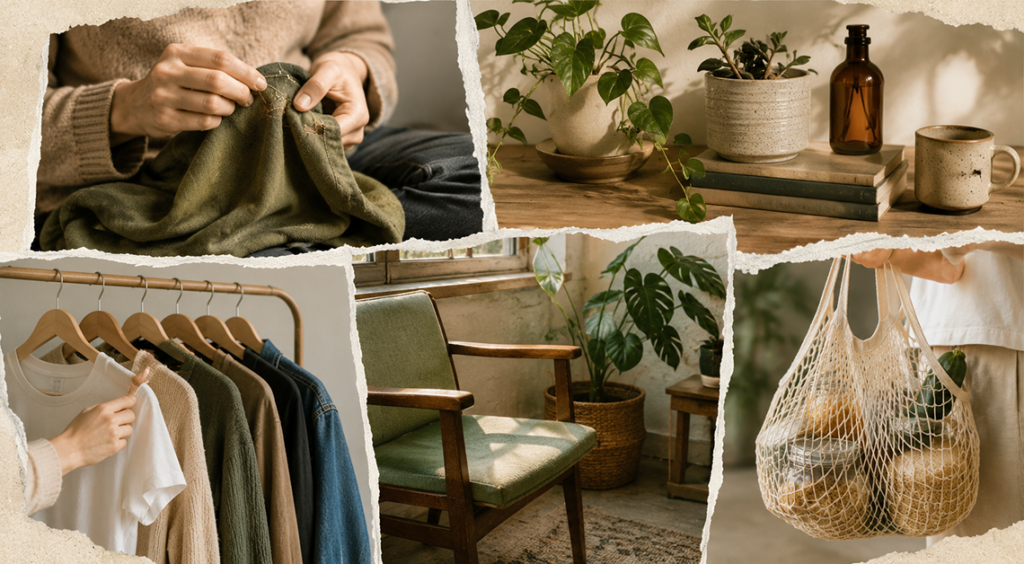
What started as a TikTok trend has evolved into something much bigger. Instead of posting shopping hauls filled with new purchases, creators are sharing nearly empty skincare bottles, repaired furniture, worn sneakers, and cupboards stocked not with excess, but with enough.
For many Australians, however, it does not feel like a trend at all. It feels like everyday life.
At a time when households are facing rising rents, higher grocery bills, and ongoing cost-of-living pressures, underconsumption core has become a mindset that is reshaping the way people think about spending, ownership, and waste.
A Response to Consumer Culture
For years, social media has been closely linked to overconsumption.
Product recommendations, fashion hauls, beauty launches, and influencer shopping links have created an environment where buying something new often feels unavoidable.
Underconsumption core offers a direct response to that culture. The movement encourages people to:
- Buy only what they need
- Finish products before replacing them
- Repair items instead of throwing them away
- Reuse household containers and everyday objects
- Shop second-hand where possible
- Keep possessions for longer rather than chasing trends
The concept may appear simple, but its message resonates strongly with younger Australians who are becoming more conscious of both their finances and their consumption habits.
What It Looks Like in Australian Homes
Across TikTok and Instagram, Australians are sharing practical examples of underconsumption in their daily lives.
A Sydney renter builds shelving from reclaimed timber.
A Melbourne student sticks to the same skincare products until every bottle is empty.
A Brisbane family repurposes takeaway jars for pantry storage.
A Perth creator proudly wears a pair of boots that have lasted more than six years.
None of these examples look polished or expensive, and that is precisely the point.
The trend celebrates longevity and practicality rather than constant replacement.
ABC Australia has reported that many creators describe underconsumption core as buying less, reusing existing items, and reducing waste while challenging the pressure created by online consumer culture.
Underconsumption Core at a Glance
| Trend Element | What It Means |
|---|---|
| Rewearing Clothing | Wearing clothes repeatedly instead of chasing new trends |
| Using Products Fully | Finishing skincare, makeup, or household products before repurchasing |
| Reuse and Repair | Mending, repurposing, and extending the life of existing items |
| Second-Hand Shopping | Buying pre-owned goods instead of new products |
| Mindful Spending | Making more intentional purchasing decisions |
For many Australians, these habits are less about aesthetics and more about practicality.
Why the Trend Is Growing
The popularity of underconsumption core comes as many households continue to feel the impact of higher living costs.
Rent remains expensive. Grocery prices have increased significantly. Energy bills continue to place pressure on household budgets.
As a result, spending habits are changing.
For many younger Australians, buying less is not solely a sustainability choice. It is also a financial necessity.
That reality helps explain why the trend feels so relatable.
Some TikTok users have even joked that underconsumption core is simply "normal consumption with better branding."
Many Australians agree.
For working-class families, immigrant households, and older generations, reusing containers, saving leftovers, repairing possessions, and wearing clothing until it wears out has never been a trend. It has simply been a way of life.
Sustainability Remains Part of the Appeal
While saving money is a major driver, sustainability is also a key part of the conversation.
Australia remains one of the world's largest consumers of textiles per person, and concerns about fast-fashion waste continue to grow.
Underconsumption core presents a different approach.
Rather than purchasing more environmentally friendly products, many people are choosing to reduce consumption altogether.
That can include:
- Repairing jeans instead of replacing them
- Keeping furniture for longer
- Borrowing items instead of purchasing them
- Choosing second-hand clothing
- Avoiding impulse online purchases
Experts say even small behavioural changes can help reduce waste over time.
Not Everyone Sees It as a Trend
Despite its growing popularity, underconsumption core has also attracted criticism.
Some commentators argue that packaging everyday frugal habits as a social media trend overlooks the reality that millions of people have lived this way out of necessity for years.
Others question whether turning underconsumption into online content risks becoming performative.
Can buying less become another aesthetic?
That debate continues across social media platforms.
Supporters, however, argue that if social media has helped normalise overconsumption, it can also help normalise restraint. For many people, seeing ordinary homes and realistic lifestyles online feels refreshing after years of highly curated influencer content.
What Happens Next?
Whether underconsumption core survives as a hashtag or fades from social media, its influence could extend far beyond the trend itself.
Retail analysts say consumer behaviour is already shifting toward:
- More intentional spending
- Increased second-hand shopping
- Reduced fast-fashion purchases
- Greater interest in repairing and reusing possessions
- Prioritising value over trends
For Australian households, the movement reflects a broader cultural shift.
Increasingly, consumers are asking themselves a different question.
Not "What should I buy next?"
But "Do I actually need this?"
Why the Trend Feels Personal
At first glance, underconsumption core may appear to be just another TikTok phenomenon.
Inside Australian homes, however, it often feels far more personal.
It is the nearly empty shampoo bottle squeezed one final time.
The chipped coffee mug that remains part of a daily routine.
The worn pair of runners that still have plenty of life left.
In a digital world built around the idea of wanting more, underconsumption core offers a different message:
Use what you have. Keep what works. Buy less. Waste less.
For many Australians in 2026, that message feels less like a trend and more like common sense.
FAQs
Q1. What is underconsumption core?
Underconsumption core is a social media trend focused on buying less, reusing existing items, and making products last longer before replacing them.
Q2. Why is it popular in Australia?
It has grown due to rising cost-of-living pressure, sustainability concerns, and frustration with constant online consumer culture.
Q3. Is it mainly about sustainability or saving money?
Both. For some people it’s about reducing waste, while for many others it’s also about budgeting and spending more carefully.
Q4. Is it replacing influencer shopping culture?
Not completely, but it has become a visible pushback against shopping hauls and fast-moving online trends.
Follow Inspirepreneur Magazine for more explainers.

At Inspirepreneurs Magazine, covering entrepreneurship, business failures, and the human stories behind the world's most ambitious founders. She writes at the intersection of strategy and storytelling.
You Might Also Like

US Economy Shrinks in Q1 as Consumer Spending Weakens

Australia Day 2026: Celebrations Overshadowed by Far-Right Counter-Protests