Paramount Wins Warner Bros Deal After $110B Legal Fight
Synopsis
Paramount has cleared a major hurdle in its $110 billion Warner Bros Discovery takeover after reaching settlements with US states and Hollywood’s Writers Guild.
Key Highlights
- Paramount Skydance has resolved lawsuits with California and other US states over its mega $110 billion Warner Bros Discovery acquisition.
- The settlement also allows the Writers Guild of America to settle separate litigation against Paramount.
- Paramount has agreed to spend an additional $300 million per year on domestic film production for five years.
- For its first two years the company will have a minimum of 30 movies a year, rising to 32 during the next three.
- As executive producer, Paramount will form a board for editorial independence at CBS and CNN.
- The deal spares Paramount a daily $7 million cost starting from September 30.
Paramount Skydance has cleared a major legal obstacle to its $110 billion Warner Bros Discovery acquisition.
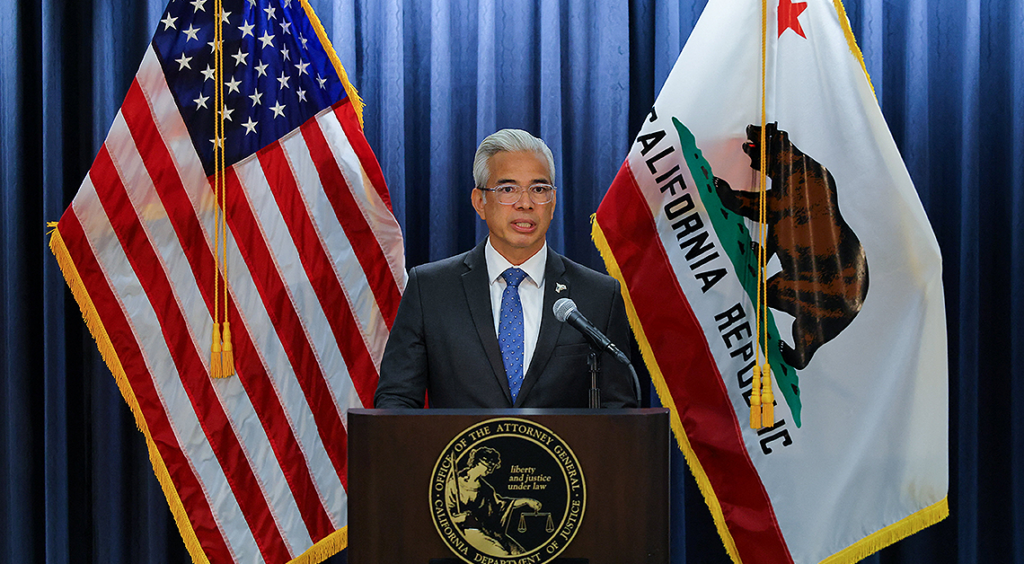
The company has reached a settlement with California and 11 other US states that had challenged the merger. The Writers Guild of America has also resolved its separate legal case against Paramount.
That settlement clears the path for one of the biggest media mergers in history, placing an entire empire of film, TV, streaming and news businesses under one corporate roof. Opponents of the deal in 20 states had argued that the potential merger of the two companies would lessen competition in movies and television for months prior.
Paramount Will Invest More in US Production
A major condition of the settlement is a pledge to ramp up film production in America. Paramount will spend a minimum of $300 million annually extra on domestic production for five years. That translates to an incremental $1.5 billion of U.S. manufacturing in the timeframe. It will also honour film release promises for the next five years.
The plan is for the company to release 30 movies over each of its first two years and 32 films over the next three. Four of those must be independent films, while at least 20% would have to be a blockbuster movie.
Under the terms of an agreement with the WGA, Paramount can owe $30 million for each film that misses its target under a deal to support funds benefiting workers.
CNN and CBS Will Get New Oversight
Another key piece of the settlement is a condition attached to Paramount’s news businesses. The firm will establish a news editorial independence board for CBS and CNN. This is to oversee the independence of the two news organisations when they are merged.
It was among the states’ concerns when they legally challenged the proposal. Another condition of the settlement: Paramount promised not to hike rates for theatre operators for three years.
Writers Guild Settles Its Lawsuit
The Writers Guild of America has also settled its case with Paramount. The union had contended the merger would lead to lower pay and worse working conditions for film and television writers. Despite settling, the union said it maintains the deal could hurt the industry. That means the union will not press ahead separately with its legal fight over the merger.
The firms had previously said the combined business could provide about $6b of savings including some cost cuts. Some of those cuts could impact jobs across Hollywood, including CNN and CBS newsrooms.
Paramount Dodges Daily $7 Million Charge
As Paramount holds a high financial potential cost should the deal fail to close, the timing of the settlement is also likely quite important.
According to the merger agreement, Paramount was liable to Warner Bros shareholders for a $7 million-a-day ticking fee for each day after Sept. 30 that the deal did not close.
That expense would’ve been costly on top of the other expenses related to finalising the merger between Paramount and these smaller stations, so this settlement allows Paramount to dodge that bullet in moving towards completing the transaction.
The transaction had already been cleared by regulators in other major markets, including the European Union and Britain.
What the Warner Bros Takeover Means for Hollywood
The new company would be a much larger collection of film, television, streaming and news businesses. Paramount and Warner Bros Discovery together will also have more than $80 billion in debt but the companies say these plans could lead to a vast array of savings.
That has secured praise from some shareholders, but stirred more opposition, with those in favour of blocking the deal still worried about competition and jobs. But for Paramount chief David Ellison, the settlement clears up a major roadblock to his plans to merge the two entertainment companies.
What It Means for Australian Companies and Entrepreneurs
As Australian businesses discovered this week, the deal between Paramount and Warner Bros demonstrates how major mergers can suddenly become lengthy, complex beasts when regulators and industry groups wade in with their concerns. In many major transactions when it is possible, companies may need to agree on spending, production, pricing and how various segments of the enterprise function.
Australian entrepreneurs have a crystal lesson about both merger planning and regulatory risk. It does not dwell on the fact that a big acquisition is insuperable, not simply an agreeable price. The additional costs, commitments and delays that regulatory approval can bring are also part of the equation for companies. This illustrates why those conditions can be a key node in the success of getting through on a mega deal like this one.
Source: Reuters

At Inspirepreneurs Magazine, covering entrepreneurship, business failures, and the human stories behind the world's most ambitious founders. She writes at the intersection of strategy and storytelling.