


Australia to Secure Military and Tech Metals in New $1.2 Billion Reserve

Synopsis
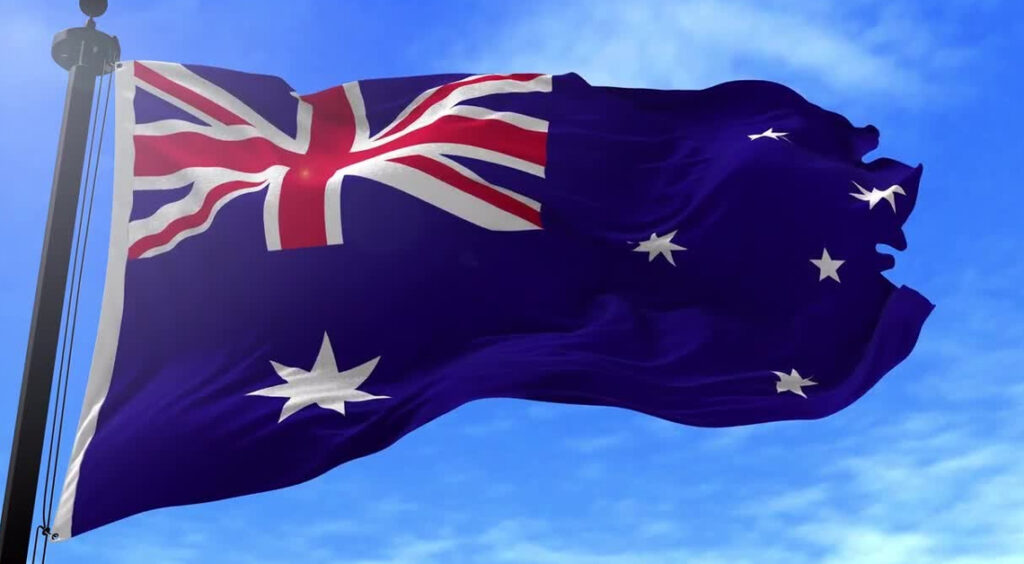
Australia has added antimony, gallium, and rare earth elements to its $1.2 billion Critical Minerals Strategic Reserve. Announced by Treasurer Jim Chalmers on Monday, the plan aims to strengthen global supply chains and cut reliance on Chinese exports. These materials are vital for defence, semiconductor, and clean energy technologies. The reserve, expected to launch by late 2026, positions Australia as a key partner for G7 nations and the United States.
Breaking news: The Australian government has revealed it will focus on three minerals, antimony, gallium, and rare earths, in a new strategic stockpile worth $1.2 billion. The move, announced on Monday in a statement, marks an important development for Australia’s tech metals reserve as it ramps up efforts to become a reliable supplier to its allies and help reduce the world’s reliance on China for these critical raw materials.
Treasurer Jim Chalmers has flown to Washington this week to meet with ministers from G7 nations, which include the US, UK, and Japan, who are on board with the plan. Australia aims to make sure its trading partners are protected from sudden price shocks or shortages. This “strategic reserve” is meant to guarantee that the metals used in everything from fighter jets to solar panels remain accessible.
Tech Metals Australia for Defence and Clean Energy
The minerals chosen for the reserve’s first phase were not accidental. Antimony is essential for making ammunition, night-vision goggles, and flame-retardant military gear. Gallium is even more advanced, it is used to make the semiconductors that appear in radar systems and smartphones. Without steady supplies of these materials, modern military and tech industries could face serious disruptions.
Australia is already one of the world’s largest producers of these “critical minerals,” but most processing still happens overseas. By establishing this reserve and critic sl mineral strategy, the government will purchase a certain portion of locally mined minerals and store them in a national stockpile. This ensures local mining projects have a guaranteed buyer while providing allied nations with a “safe harbour” for the materials they depend on most.
Countering Global Supply Chain Risks
Western countries have long relied heavily on China for rare earths. But recent trade tensions and export restrictions have revealed vulnerabilities in that arrangement. The new Australian reserve directly addresses those risks. The initiative, which should be operational by late 2026, will act as a “shield” against market volatility and manipulation, according to Resources Minister Madeleine King.
The reserve will be overseen by a government taskforce and Export Finance Australia. They’ll use financial tools like “forward contracts” to lock in prices and stabilise the market, so even when global prices fluctuate, Australia and its partners can maintain steady production. For Australian workers, this means more mining jobs and a stronger global presence.
Cementing the Partnership with the U.S.
This announcement follows a $13 billion agreement between Australia and the U.S. last year. Both nations are building a “pipeline” of mineral projects to avoid being caught off guard in future trade conflicts. The strategic reserve is the “missing piece” of that plan, giving Australia the capability to store and transport the metals that strengthen the alliance.
As Treasurer Chalmers attends the G7 meeting, the message is clear: Critical Mineral Australia is open for business and ready to lead. By asserting control over its natural resources, the country is not just mining, it’s building a high-tech future and taking its place alongside the world’s most advanced economies.
Stay ahead with the recent news and follow Inspirepreneur Magazine for more
At Inspirepreneurs Magazine, covering entrepreneurship, business failures, and the human stories behind the world's most ambitious founders. She writes at the intersection of strategy and storytelling.
You Might Also Like

The Path of Self-Mastery: Self-Education as a Catalyst for Change
OpenAI leadership reshuffle expands roles as COO shifts focus
