Wall Street indices end lower on inflation fears

Synopsis
Wall Street indices ended lower for a second straight session as the escalating Middle East conflict drove oil prices higher and intensified inflation concerns. The Dow Jones, S&P 500 and Nasdaq all declined amid broad-based selling, while the Cboe Volatility Index hit its highest level since November. Rising geopolitical risks, threats to energy infrastructure and concerns over the Strait of Hormuz pushed Treasury yields higher, adding to market volatility.
Wall Street indices closed lower as escalating Middle East conflict lifted oil prices and renewed inflation fears. Broad-based selling and rising Treasury yields added to market volatility.
Key highlights
- Dow Jones fell 403.51 points (0.83%), while the S&P 500 and Nasdaq dropped 0.94% and 1.02%, respectively.
- Cboe Volatility Index logged its highest closing level since November amid broad-based selling.
- Oil price surge linked to Middle East conflict raised inflation concerns and pushed US Treasury yields higher.
Wall Street indices settled sharply lower on Tuesday as investors weighed the risk that the escalating Middle East conflict may persist and fuel fresh inflation pressures.
Selling was broad-based across sectors, while the Cboe Global Markets Volatility Index recorded its highest closing level since November. Despite steep losses earlier in the session, major benchmarks recovered partially by the close. The S&P 500 finished down 0.9% after sliding more than 2% at one point during the day.
Investor anxiety has centred on the conflict’s impact on energy markets, with oil prices extending recent gains. Israeli and US forces struck targets across Iran, prompting retaliatory Iranian attacks around the Gulf and widening hostilities to Lebanon. The conflict is now in its fourth day.
“There seems to be some notion that perhaps (the Iran war) will persist longer than people thought 24 hours ago, because it’s spreading and starting to potentially impact energy infrastructure,” said Chuck Carlson, chief executive officer of Horizon Investment Services in Hammond, Indiana.
Tuesday marked a second consecutive session in which indexes trimmed sharp early losses. According to Reuters, Jed Ellerbroek, portfolio manager at Argent Capital, said the market’s response to the conflict “so far is very tame,” suggesting investor risk tolerance remains relatively intact. He noted that software shares, which had recently come under pressure, outperformed. The S&P 500 software and services index rose 1.6%.
The Dow Jones Industrial Average fell 403.51 points, or 0.83%, to 48,501.27. The S&P 500 declined 64.99 points, or 0.94%, to 6,816.63, while the Nasdaq Composite dropped 232.17 points, or 1.02%, to 22,516.69.
In a potentially bearish technical signal, the S&P 500 closed below its 100-day moving average for the first time since November 20.
“Investors are grappling with the volatility and the news, and they're looking at their portfolios and saying, wow, this could get worse… This is the fear of it getting worse,” Oliver Pursche, senior vice president and advisor at Wealthspire Advisors in Westport, Connecticut told Reuters. “But our advice to clients is to take a step back and wait and see.”
Shares of Blackstone fell 3.8% after its flagship credit fund, BCRED, experienced a surge in redemption requests.
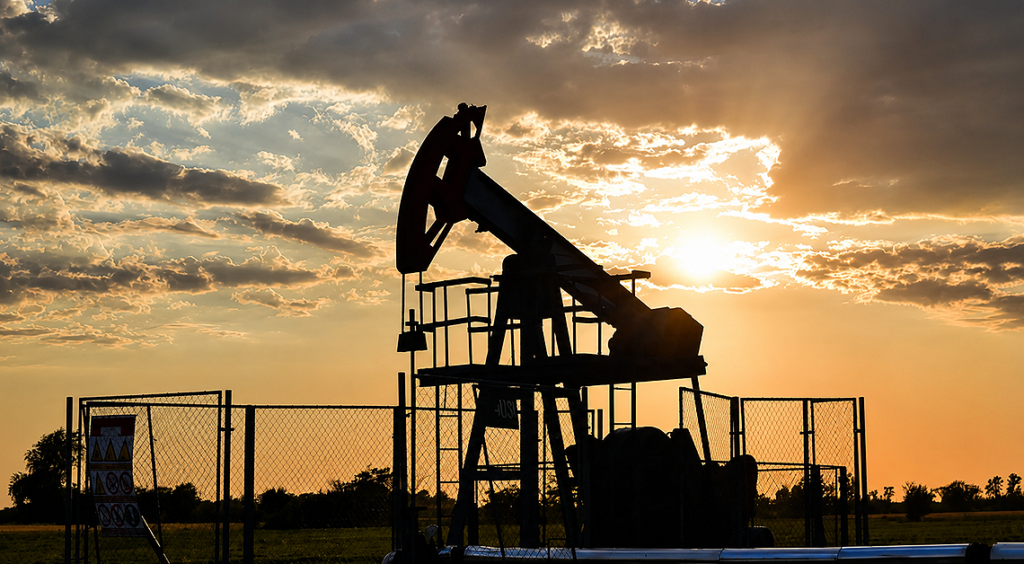
Meanwhile, Tehran’s threat to target vessels transiting the Strait of Hormuz, coupled with production halts by several Middle Eastern oil and gas producers, has driven up global shipping rates as well as crude and natural gas prices. The strait carries roughly one-fifth of the world’s total oil consumption.
President Donald Trump said he had directed the US International Development Finance Corporation to provide political risk insurance and financial guarantees for maritime trade in the Gulf. He added that the US Navy could begin escorting oil tankers through the Strait of Hormuz if necessary.
Investors, meanwhile, are concerned that elevated oil prices could reignite inflation and complicate central bank policy decisions already strained by tariff-driven cost pressures. US Treasury yields rose for a second straight session.
Market breadth reflected the cautious mood. Declining issues outnumbered advancers by a 4.1-to-1 ratio on the NYSE, with 137 new highs and 167 new lows. That said, on the Nasdaq, 1,262 stocks advanced while 3,540 declined, producing a 2.81-to-1 negative ratio.
Quick FAQs
- Why did Wall Street indices fall?
Wall Street indices declined as investors worried that the escalating Middle East conflict could persist and disrupt energy infrastructure, pushing oil prices higher and increasing inflation risks.
2. How does the Middle East conflict affect inflation?
Rising geopolitical tensions have lifted crude oil and natural gas prices. Higher energy costs can feed into transportation, manufacturing and consumer prices, potentially reigniting inflationary pressures.
3. Why is the Strait of Hormuz important for markets?
The Strait of Hormuz carries roughly one-fifth of global oil consumption. Any disruption or threat to shipping through the strait can sharply raise oil prices, impacting global financial markets.
Follow Inspirepreneur Magazine for the business news.

Pooja Malik is a business journalist with over six years of experience covering startups, entrepreneurship, and emerging trends. She has previously worked with leading media platforms such as YourStory Media and BW BusinessWorld, where she reported on business, policy, and market developments. Currently, she serves as Editor at The Inspirepreneur Magazine, where she writes and edits stories across business, lifestyle, and travel, with a focus on clarity, accuracy, and reader relevance.