


The Oodie Story: From Food Business Gone Wrong to $500 Million
Synopsis
Within a few years of walking away from a failed food business with nothing to show for it, Davie Fogarty built The Oodie into a brand that has sold more than 8 million wearable blankets and generated over $500 million in sales. The difference wasn’t a bigger idea, it was a founder who finally paired the right product with skills he’d already spent years building.
In fact, Davie Fogarty had failed at approximately seven other businesses before he walked away from his Vietnamese roll shop. Just a few years after reaching that nadir, he had turned The Oodie into a 8 million+ wearable blankets sold and $500million in sales brand. That gap between those two outcomes is one of the more remarkable turnaround stories in Australian e-commerce.
Here is how that turnaround for the nations happened. Fogarty didn’t just randomly trip over a product. He build on the digital marketing foundations he was already laying, pointed at a far more simplistic proposition than a food shop, and let a world wide lock down rattle that idea further than he could have orchestrated himself.
About the Founder
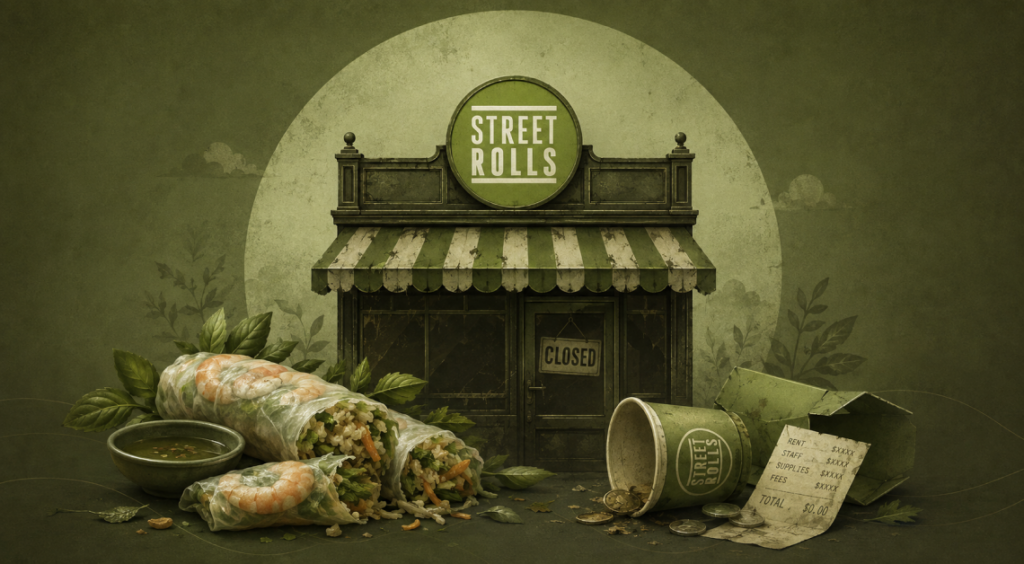
Fogarty was raised in Adelaide, South Australia, where he had been attempting to create a business of some sort since primary school. Endlessly cycling through a series of ill-fated pursuits, from a mining engineering degree he dropped out of to launch a clothing line, iPhone cases, headphones and gym wear, homemade seasoning business and the Vietnamese roll shop that had drained two years of his life while making him wonder if he was cut out for business at all.
Instead of jumping back into another product business, Fogarty created a one man marketing agency. He learned how to shoot video ads, run Facebook campaigns, and design websites as well as landing pages a lot of times working for free just to hone in the skills. It provided him a much more intimate understanding of what makes online sales work than any of those previous product forays had.
That would serve him directly in years to come, a quiet experience in marketing built behind the scenes as his food business unraveled. Instead of taking more clients on at his agency, Fogarty opted for a product he could apply what he learned to.
The Idea Behind The Oodie
In 2018, Tom Fogarty and his brother Todd created the Oodie, a giant flannel and sherpa fleece wearable blanket that had a huge hood and front pocket. The pitch was straightforward: wear-at-home coziness without the hassle of securing a blanket in place and no more battling with sleeves.
The product itself was nothing particularly complex. There were already a lot of blanket comforters before the Oodie. The subject of the launch is nothing special, it was the marketing behind it, based on skills Fogarty had previously learned from running his agency, snappy video content, Facebook-ads and a converting Shopify storefront that turned casual scrollers into purchase-makers.
The brand was started with $500 in initial capital eventually taking the direct-to-consumer route as opposed to growing through retail partners. It kept costs down when it started, controlled the entire customer experience from the ad someone saw to the box that arrived at their door.
Building the Business
The first iteration of The Oodie used a similar online-first strategy that Fogarty had rolled out with his smaller businesses, just much more rigorously applied. He and his team trialed video ad concepts, observed the ones that gained momentum, and backed the winners with funding, all to measure and fine-tune rather than guess.
This same year Fogarty launched a second Shopify brand, Calming Blankets, so instead of putting all his chips in one DTC product launch he had two products running concurrently. Moreover, running both simultaneously enabled him to moderate what was working between the two categories rather than treating the Oodie like a one-and-done bet.
On the surface, this era was not particularly glamorous, mostly ad testing and customer service, fulfilment work, but it laid down the operational foundations that would allow The Oodie to mange a demand spike 5x larger than any new company could realistically deal with.
The Breakout Moment
That surge arrived in 2020. COVID-19 lockdowns kept people at home in Australia and abroad, search interest in the Oodie was alleged to have more than doubled (+200%) in the UK alone, with other markets seeing similar surges as loungewear became a daily uniform rather than an occasional treat.
The product almost fit the moment perfectly. We weren’t dressing for offices or going out and a wearble blanket that worked equally well on your couch or while on video call, fit precisely into what millions of households required as the time. The Oodie had already created the ad systems and fulfilment processes to capture that demand fast, rather than needing to quickly build them from zero under pressure.
In less than five years since its launch, The Oodie has sold over 8.1 million units and turned over more than $500 million in sales with the brand valued at around $250 million. This was no longer a $500 side project: it had become one of Australia’s most recognizable direct to consumer brands.
Drivers of Success
Much of TheOodie or what made it work comes down to timing coming together with preparation. He didn’t mess his way into the COVID demand blip with an untried operation, he’d already been over ad creative and what was converting in these earlier Australian ventures and he also had a DTC engine running on Calming Blankets launching in parallel.
A lot of the friction that comes with new categories was also removed by the product itself. There wasn’t much explaining to do with a wearable blanket, the product was very visual and suitable for video-driven advertising, exactly what Fogarty had honed his skills on.
Two brands instead of one created a bigger lab for what really moved the needle, and in the direct-to-consumer model every dollar spent on marketing flowed through straight into foils and variants for future ads rather than diffused through an upstream retail narrative. As a whole, those decisions meant that The Oodie was perfectly placed to take advantage of an influx in demand that many other brands simply weren’t able to handle.
Financial and Business Impact
Such was the scale of The Oodie’s growth that Fogarty found himself on the Australian Financial Review’s Young Rich List, with his net worth valued at about $170 million by 2021. It then branched into licensed collaborations with major entertainment names, including Disney, Warner Bros, Marvel, Pokémon and the AFL, those partnerships alone are said to have achieved more than $100 million in sales.
That growth too was supplemented with a larger portfolio. Fogarty then co-founded then pet-care brand Pupnaps, which sold over $1 million in its first year, before investing $250,000 into Fydoo, an automated indoor system for dog toilet. The Ventures Together, these two sit under The Davie Group: a company he created to keep an eye on the consumer brands the entrepreneur built.
As The Oodie grew up, Fogarty employed a chief executive to run the day-to-day business, moving away from the 24/7 grind that once only he shouldered in the roll shop to focus on creative direction and strategy across The Oodie’s wider family of brands.
Where It Stands Today
The success of the Oodie also ventured far beyond retail. Fogarty served as a judge on Shark Tank Australia in 2023 alongside a panel of investors with retail, marketing and technology experience, returning for the subsequent season.
Throughout the Davie Group, total sales top $500 million across The Oodie, Calming Blankets, Pupnaps and Fydoo. The initial $500 experiment form a brand that sits at the centre of what is effectively a business empire, using many of the marketing tactics Fogarty learnt in the years his roll shop was quietly collapsing.
A far cry from him giving away the Vietnamese roll shop with no real progress after two years of work. This time it wasn’t a more ambitious idea, or additional capital, it was a founder who finally matched his Q-Cuts to the set of skills he had spent years developing at exactly the same moment as the world itself became ready for it.

At Inspirepreneurs Magazine, covering entrepreneurship, business failures, and the human stories behind the world's most ambitious founders. She writes at the intersection of strategy and storytelling.
You Might Also Like

US weighs guidance to sidestep Anthropic risk label for AI deployment

China’s Economic Strategy Amidst Trump’s Potential Return
