


Funeral for Iran’s Former Supreme Leader Begins as Region Remains on Edge
Synopsis
World leaders and regional delegations gathered in Tehran as concerns over maritime security in the Strait of Hormuz continue to shape geopolitical and energy market sentiment.
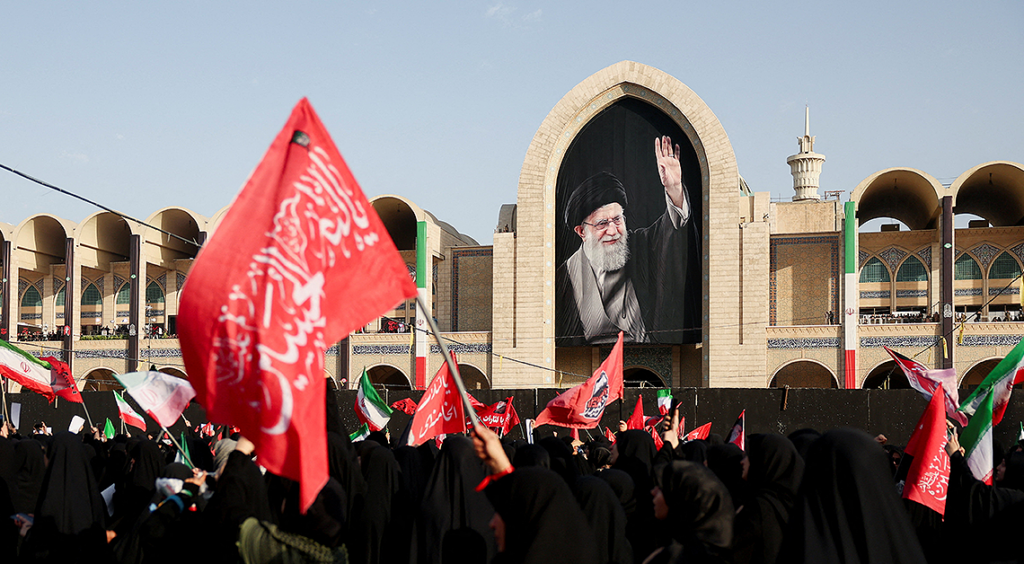
Iran state funeral ceremonies for Ayatollah Ali Khamenei started in Tehran on Saturday, attracting senior Iranian officials, military leaders and foreign delegations to the opening of a six-day state funeral for the supreme leader.
The ceremonies are taking place after Khamenei's death in a joint U.S.-Israeli airstrike on Feb. 28 in the early days of the Iran-Israel-U.S. conflict, and come after a ceasefire allowed people to openly mourn his death.
Thousands of mourners attended the first ceremony at the Grand Mosalla mosque in Tehran under tight security measures. Iranian officials indicated that funeral processions will be held in Qom before being transferred to Iraqi holy cities of Najaf and Karbala, ending with Khamenei's burial in Imam Reza shrine in Mashhad on July 9.
Funeral Draws International Delegations
International delegations from Russia, China, Iraq and Pakistan have attended the Khamenei funeral Iran programme. Iran's diplomatic relations with dozens of countries were illustrated when representatives from these nations were scheduled to participate in various phases of the funeral, according to the Iranian state media.
Khamenei has ruled Iran for over 30 years since Ayatollah Ruhollah Khomeini's death in 1989. He was the Supreme Leader of Iran and commanded its armed forces, judicial system, and vital state organs and institutions, as well as formulating foreign and security policies.
Strait of Hormuz continues to be closely monitored
In addition to the funeral services, the Strait of Hormuz, one of the world's most heavily trafficked energy shipping lanes, is the big issue. The U.S. Energy Information Administration (EIA) estimates that approximately 20% of all petroleum liquids consumption travels through the strait, and that the strait is a vital corridor for crude oil and LNG exports.
It is a water route that links oil-rich Gulf nations, such as Saudi Arabia, the UAE, Kuwait, Iraq and Qatar, with international markets.
The region's shipping disruption can have an impact on global crude prices, cost of freight, and energy supply chains, and is being closely watched by businesses in Australia, the United States, and other major energy importers.
While direct military engagement has been curtailed, commercial shipping firms and insurance carriers are still making risk calculations in the Gulf as people are burying the dead.
Succession and Regional Attention
The funeral Iran events have also brought the leadership change in Iran back to the spotlight. Supreme leader Iran's next man in charge has been Mojtaba Khamenei, who has yet to be seen during the ceremonies despite being cited as having been injured in the assassination of his father.
The funeral will be finalized in Mashhad on July 9 after taking place in various cities in Iran and Iraq, Iranian authorities said, adding that security will be maintained in the city throughout the mourning period.
Source: Yahoo Finance
Follow Inspirepreneur Magazine for daily global business news.

Pooja Malik is a business journalist with over six years of experience covering startups, entrepreneurship, and emerging trends. She has previously worked with leading media platforms such as YourStory Media and BW BusinessWorld, where she reported on business, policy, and market developments. Currently, she serves as Editor at The Inspirepreneur Magazine, where she writes and edits stories across business, lifestyle, and travel, with a focus on clarity, accuracy, and reader relevance.


