


Anduril and General Atomics Win US Air Force Drone Production Contracts
Synopsis
The US Air Force has contracted Anduril Industries and General Atomics to build its initial fleet of semi-autonomous Collaborative Combat Aircraft. The FQ-42 will be manufactured by General Atomics, and the FQ-44 will be produced by Anduril. The program has been designed to connect crewed fighter jets with autonomous aircraft and is part of a broader Air Force strategy involving the fielding of about 1,000 combat-capable drones over its years-long timeline. The contracts were issued months in advance of schedule, along with other software awards.
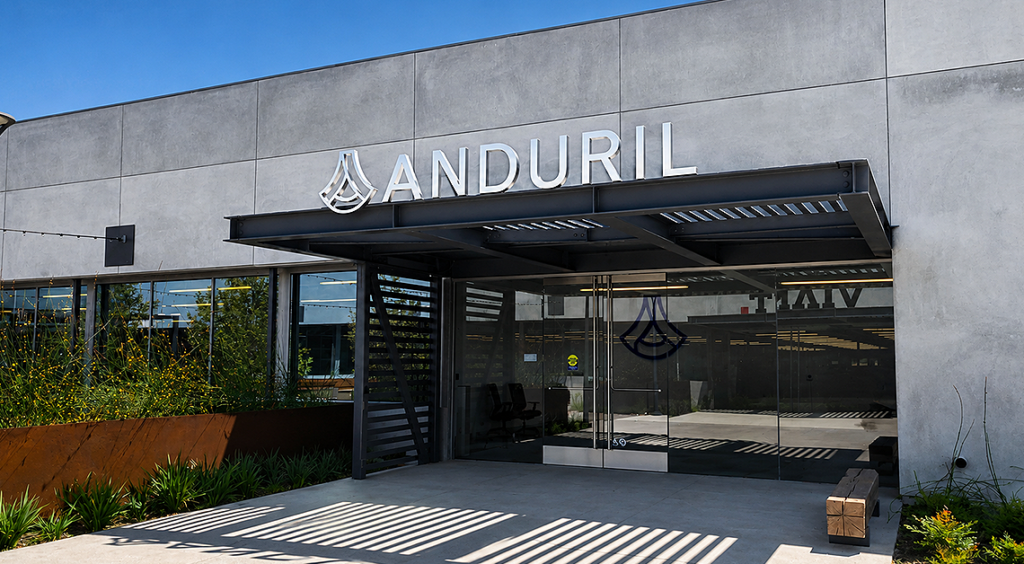
General Atomics and Anduril Industries have been alloted production contracts for the U.S. Air Force's first full fleet of semi-autonomous Collaborative Combat Aircraft (CCAs), advancing the program from prototype to mass production.
Under the contracts General Atomics will make FQ-42 and Anduril will build FQ-44 aircraft. The Air Force did not release the value of the contracts or the total number of aircraft ordered.
Air Force Pushes Program Into Full-Rate Production
The CCA will be an integral part of the Air Force's plan to team autonomous planes with crewed fighter jets. The drones are designed to operate with pilots, extending potential operational reach and increasing situational awareness and survivability in combat environments.
The plan for the Air Force is ultimately to get approximately 1,000 CCA aircraft that are combat-capable. Officials pointed to competition between manufacturers to drive costs down while providing an increase in overall capacity of fighters.
Both aircraft met mission requirements and are ready for production, as evidenced by the awarding of production contracts months in advance of schedule.
Software Contracts Also Awarded
In addition to the aircraft contracts, the Air Force US will also hand out mission autonomy software production contracts to six companies: Anduril, General Atomics, Lockheed Martin, Northrop Grumman, Collins Aerospace and Shield AI.
The Air Force said in its announcement that it is approaching the mission autonomy software as "software sold separately," meaning the aircraft will be purchased separately from the mission autonomy software and not as an integrated package like before.
The contracts are said to showcase belief in the program and strengthen plans for a fleet of more than 150 combat-capable CCA aircraft before the decade runs out, as early as maybe the mid-2030s, according to Air Force Secretary Troy Meink.
Source: Reuters
Follow Inspirepreneur Magazine for daily global business news.

At Inspirepreneurs Magazine, covering entrepreneurship, business failures, and the human stories behind the world's most ambitious founders. She writes at the intersection of strategy and storytelling.


