


Volkswagen Feels China Heat, Redirects €160B to Europe
Synopsis
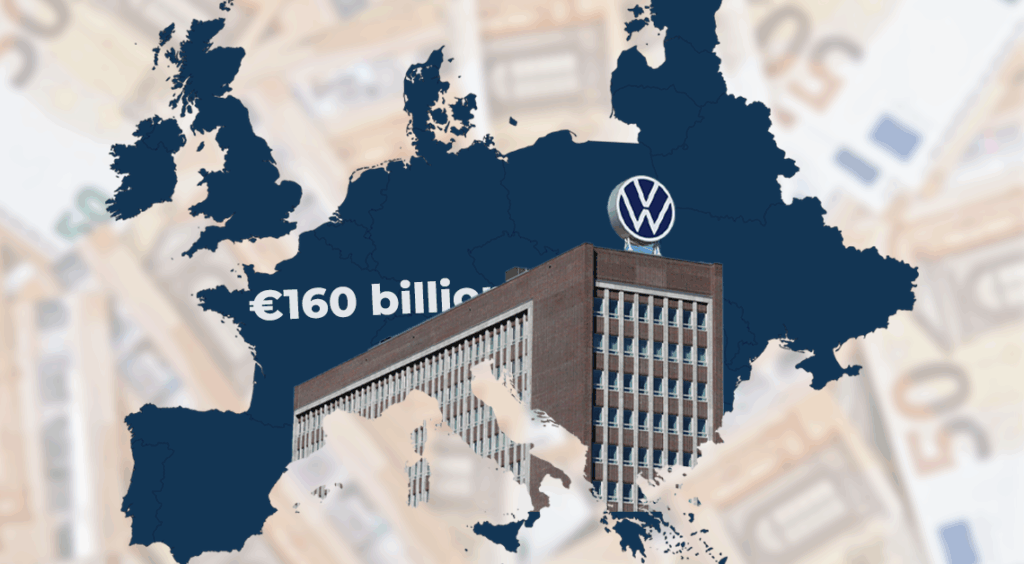
Volkswagen Group plans to invest 160 billion euros to $186 billion by 2030, according to CEO Oliver Blume. This expenditure indicates a cost-cutting approach as the automaker contends with challenges in China and the United States. The total funding is less than the 165 billion euros allocated for 2025-2029 and 180 billion euros for 2024-2028. Investments will concentrate on products, technology and infrastructure, within Germany and Europe. Conversely, Porsche is not anticipated to pursue expansions in China. Any Audi U.S. plant will depend upon Washington's financial support. Blume received a contract extension to 2030, showing investor support despite shareholder losses since Porsche went public three years ago.
Volkswagen Group intends to allocate 160 billion euros, equal to $186 billion, by 2030, Chief Executive Oliver Blume announced Friday. This expenditure shows tightening measures as Europe’s leading automaker encounters challenges in its two principal markets, China and the United States. The overall investment figure is revised annually within Volkswagen’s five-year investment strategy. This is compared to 165 billion euros for 2025-2029 and 180 billion, for 2024-2028. The year 2024 represented a point in expenditure.
Problems in China and the United States
Since that time, Volkswagen has faced pressure from tariffs on imports to the U.S. and intense rivalry in the market. Volkswagen is made up of the Porsche and Audi brands. These issues have thus been a major cause of the negative cash flow that Porsche, the luxury brand mostly selling its cars in these two markets, is obviously the most affected one, has experienced. Consequently, Porsche has announced a reduction of its electrified vehicle program.
Blume informed the Frankfurter Allgemeine Sonntagszeitung that the most prominent point of the current budget was the focus on Germany and Europe. The range of these expenses also extends to product, technology, and infrastructure-related ones. He stated that discussions regarding a savings scheme at Porsche would continue into 2026.
No Growth Expected for Porsche in China
Blume is set to resign as Porsche CEO in January to concentrate on his position as Volkswagen CEO. He mentioned that decisions regarding an Audi factory in the U.S. Hinged on the likelihood of significant financial backing from Washington. Although Porsche’s expansion in China was not anticipated, he noted that producing vehicles locally within the Volkswagen group remained feasible. Creating a custom Porsche model for China might be worthwhile, at some point.
An extension of the contract as CEO of Volkswagen until 2030 represented an endorsement from the Porsche and Piech families, who are major shareholders along with the German state of Lower Saxony, the two largest Volkswagen investors, Blume remarked. However, he admitted that, indeed, shareholders have experienced losses since Porsche's IPO three years ago. He acknowledged that he, too, must confront this critique.
Why Spending Is Lower
Investment has decreased relative to previous years, indicating that Volkswagen is now exercising financial prudence. The company is encountering difficulties it has never faced before. Chinese automotive manufacturers have significantly improved in producing vehicles and offer them at prices lower than those of European companies. This creates a competitive environment for Volkswagen in the Chinese market.
Taxes on imported vehicles increase the cost of Volkswagens sold within the United States. U.S. Customers must spend more, which negatively impacts sales. If the company constructs a plant in the United States, it could bypass these taxes. However, establishing a plant requires billions of dollars in investment. Volkswagen is seeking assistance from the U.S. Government prior to making a commitment.
The current scenario is best exemplified by the challenges faced by Porsche. This luxury marque derives most of its income from China and the United States. When both these markets struggled at the time, Porsche’s earnings took a significant hit. Consequently, the strategy for vehicles was adjusted. Porsche had anticipated a number of buyers opting for electric Porsches, but the interest has been less robust than expected.
Focus Returns to Europe
Through its expenditures, Volkswagen is redirecting attention to Germany and Europe. The firm originated in Germany. Produced numerous vehicles there. Buyers in Europe have demonstrated allegiance to Volkswagen brands more than those in China. Allocating funds to plants and technology especially appears logical as other regions encounter difficulties.
The contract prolongation, through 2030, grants Blume additional time to implement a recovery. Key investors continue to trust his guidance. However, he recognises that shareholders remain dissatisfied. The stock price has fallen since Porsche's IPO. Those who invested three years ago have incurred losses. Blume now needs to perform to restore their trust.
Volkswagen faces a path forward. Competition from China will. Us tariffs could remain in place. The firm needs to produce quality vehicles that appeal to consumers while spending less. Achieving success hinges on concentrating efforts on the markets and products.
For more updates on automotive news and investment, check out Inspirepreneur Magazine. Keep tabs on major automakers and their challenges across the world.

At Inspirepreneurs Magazine, covering entrepreneurship, business failures, and the human stories behind the world's most ambitious founders. She writes at the intersection of strategy and storytelling.


