


G7 Nations Meet to Break China’s Grip on Rare Earths
Synopsis
Finance ministers of the Group of Seven, India and Australia gathered in Washington on Jan. 12 to address how China has managed to dominate the supply of vital minerals. In the face of fresh Chinese export bans on Japan, the group also discussed extreme measures such as a price floor to ensure that non-Chinese mining projects could turn a profit. Scott Bessent, U.S. Treasury Secretary, called upon allies to engage in “prudent de-risking” to ensure access to the materials for defence, semiconductors and green energy as part of a radical shift in global trade strategy.
At a high-profile meeting in Washington on Monday, the finance ministers of the world’s largest countries aimed at a spreading problem: the world’s dependence on China for “rare earth” minerals. These are the secret ingredients that go into everything from your mobile phone and electric car to advanced fighter jets and wind turbines.
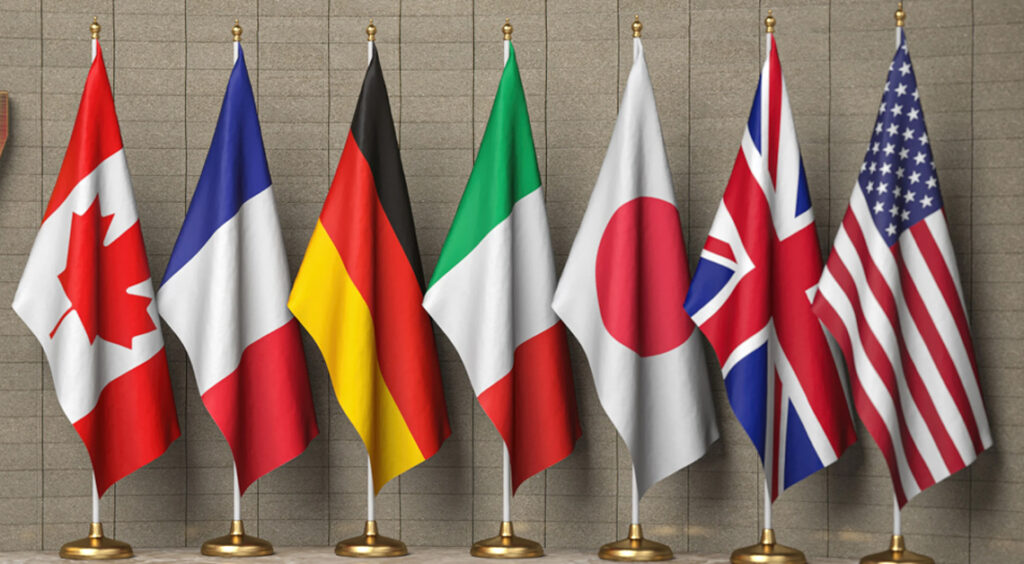
It was held under the chairmanship of U.S. Treasury Secretary Scott Bessent and involved the G7 countries’ leaders. To emphasise the seriousness of the problem, other large countries like India, Australia, South Korea and Mexico were also invited to help find a solution. Combined, they account for 60 per cent of global demand for these essential minerals.
Why These Minerals Matter So Much
“Rare earths” and other minerals like lithium and cobalt require modern technology. Today, thanks to this tight grip, China refines nearly all the world’s supply, between 47 and 87% of these materials. This allows Beijing immense leverage over the global economy.
Just last week China enacted an export ban on some minerals used by Japan’s military. This has raised concerns that China could weaponise its control of these resources in trade wars, possibly shutting down factories and driving prices up for people everywhere.
The Plan: Assured Prices and New Partners
The leaders talked about a series of bold ideas around how to build a safer supply chain that is not reliant on one country. The firmest of these, is to set a “price floor” for rare earths. That would entail setting a minimum, guaranteed price. That makes companies feel more secure about building new mines in locations such as Australia or Canada without fear that China will suddenly reduce its prices to the point of driving them out of business.
The proposal also includes potential new tax breaks for companies that extract minerals outside of China and the creation of “emergency reserves” akin to how countries stockpile emergency stores of oil. The group is also exploring ideas for rewarding minerals mined under fair labour and environmental rules.
Working Together, Not Breaking Away
The objective is not to completely halt trading with China, U.S. Treasury Secretary Scott Bessent said in an address to the group. What they’d rather do is engage in “prudent de-risking.” That involves ensuring that if any one country pulls the plug, a “Plan B” for the rest of the world to tap is already in place.
German Finance Minister Lars Klingbeil cautioned that Europe must work more quickly on its own to build up its supplies and make recycling better. Grey looks at it as a beginning, there is one guiding principle among the group. France has vowed to make this a major theme for the rest of 2026.
Follow Inspirepreneur Magazine for more breaking news updates.

At Inspirepreneurs Magazine, covering entrepreneurship, business failures, and the human stories behind the world's most ambitious founders. She writes at the intersection of strategy and storytelling.
You Might Also Like

Fei-Fei Li’s AI Startup Bags $1 Billion for 3D Intelligence

Victorian Man Charged After Alleged Party Rape, Trial Begins
