NVIDIA CEO Clarifies OpenAI Deal Was Non-Binding Proposal
Synopsis
NVIDIA CEO Jensen Huang has clarified that discussions around a $100 billion investment in OpenAI were never a firm commitment. The clarification follows reports that suggested Nvidia had agreed to fund OpenAI at an unprecedented scale. Huang said the figure reflected a non-binding upper limit and that Nvidia would evaluate any investment incrementally. The comments reset expectations around one of the artificial intelligence sector’s most closely watched partnerships as OpenAI continues to seek large-scale funding.
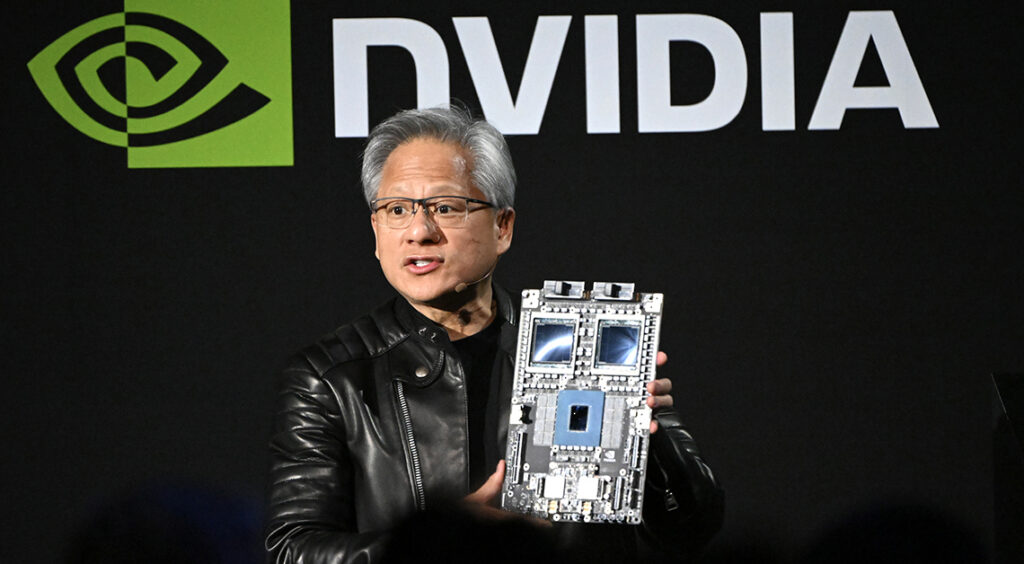
NVIDIA CEO Jensen Huang has said that widely reported plans for a $100 billion investment in OpenAI were never a binding agreement. Speaking publicly, Huang clarified that the figure represented a potential upper limit discussed during early-stage talks, not a firm financial commitment, easing market speculation surrounding one of the artificial intelligence industry’s most closely watched partnerships.
How the Story Emerged
The issue drew attention after Bloomberg reported that Nvidia and OpenAI were exploring an investment framework that could involve funding of up to $100 billion. The report outlined discussions focused on supporting large-scale artificial intelligence infrastructure, including data centres and computing capacity required for OpenAI’s future model development.
The scale of the figure led to widespread assumptions that Nvidia had committed to a long-term, high-value investment, prompting scrutiny from investors and analysts seeking clarity on the structure and timing of the proposed deal.
Huang Address Investment Reports
Responding to questions, Huang said the amount cited was not a commitment, but rather a non-binding reference point used during preliminary discussions. He explained that Nvidia had been invited to participate up to that level, but any investment would be assessed gradually and independently.
Huang stressed that Nvidia had not entered into any definitive agreement requiring it to deploy the full amount. He also noted that discussions around infrastructure collaboration should not be interpreted as confirmed capital commitments.
NVIDIA holds a central position in the global AI ecosystem as the leading supplier of high-performance chips used to train large language models. Any major financial involvement with OpenAI has implications for AI infrastructure spending, competitive positioning and investor expectations across the technology sector.
Market reaction following the initial reports reflected concerns about potential capital exposure and long-term obligations. Huang’s comments help recalibrate expectations and highlight how large technology partnerships often discuss aspirational figures before final terms are set.
“It was never a commitment,” Huang said, adding that Nvidia would move forward “one step at a time.” He dismissed suggestions that talks with OpenAI had stalled, describing the relationship as ongoing and constructive.
Huang did not specify how much Nvidia may invest in OpenAI’s current funding round and did not offer a timeline for future investment decisions.
The Context
NVIDIA and OpenAI announced a collaboration framework in 2025 focused on expanding AI computing infrastructure. The discussions included Nvidia supplying advanced hardware systems and potentially participating in financing efforts to support additional data centre capacity.
As of early 2026, however, no binding investment agreement has been signed. OpenAI continues to seek significant funding to support growing demand for its AI products, while Nvidia remains a key technology partner rather than a committed financier.
Key Highlights
- NVIDIA CEO says the $100 billion figure was not a binding investment
- Bloomberg first reported the proposed OpenAI funding framework
- NVIDIA plans to assess OpenAI investments incrementally
Follow Inspirepreneur Magazine for the latest American breaking news.

Pooja Malik is a business journalist with over six years of experience covering startups, entrepreneurship, and emerging trends. She has previously worked with leading media platforms such as YourStory Media and BW BusinessWorld, where she reported on business, policy, and market developments. Currently, she serves as Editor at The Inspirepreneur Magazine, where she writes and edits stories across business, lifestyle, and travel, with a focus on clarity, accuracy, and reader relevance.