


France Imposes New Fees on Shein and Temu Fast Fashion
Synopsis
France becomes the first EU country to fine fast-fashion retailers based on product range, adding pressure on Shein and Temu.
Key Highlights
- France introduced fees on ultra-fast fashion on Tuesday as it sought to combat the sale of cheap clothes from sites such as Shein and Temu.
- They charge between €0.25 for things like a pair of socks and €12 for a coat, up to 50% of the pre-tax price of the product.
- The charges are drawn up according to the number of products a brand provides, prices and repairability.
- France becomes first EU nation to punish retailers based on the number of items they have listed on their site
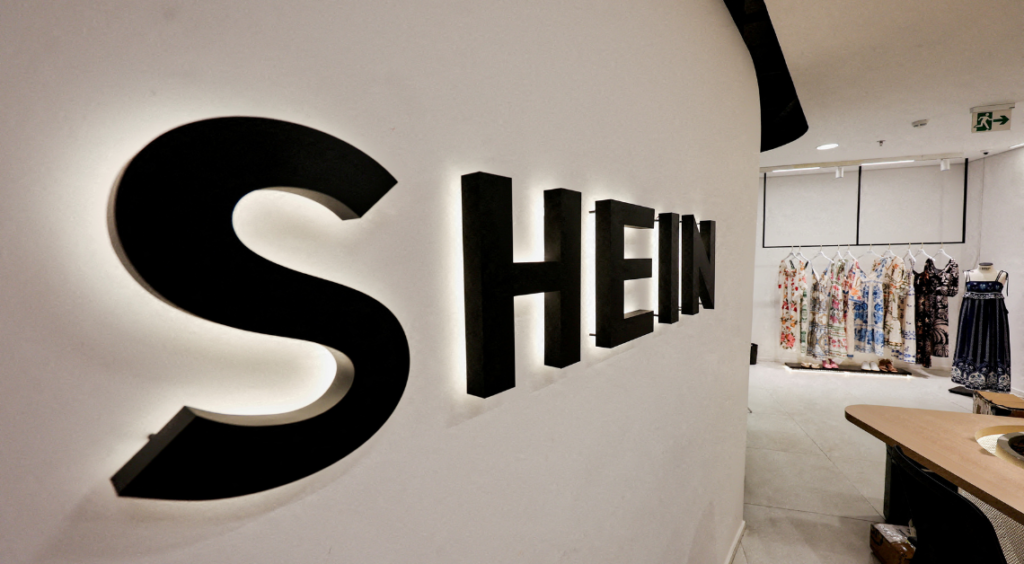
France began taxing the fastest-growing segment of fast fashion on Tuesday in a bid to slow down the rise of cheaply made garments sold by popular e-commerce companies such as Shein and Temu. They are part of a fast fashion law passed in June that aims to address environmental problems caused by overproduction.
Fees range between €0.25, for things like a pair of boxer shorts or socks, and €12 for a coat, with the total fee capped at 50% of a product’s sale price before tax.
In a statement to local newspaper Ouest France, French Commerce Minister Serge Papin said there are platforms that purportedly champion consumer buying power but whose low-priced goods often fall short of quality and durability standards.
Added Pressure on Shein
They come at another challenge for Shein, which is set to list itself on the stock market in Hong Kong on Tuesday with its valuation already slashed sharply from an initial public offering priced days earlier and as e-commerce packages arriving from abroad are no longer duty-free within the European Union or United States.
Shein and Temu did not respond to requests for comment about the new fees. The Paris-based spokesman for Shein, Quentin Ruffat, has called the fast-fashion charges “a tax on customers,” arguing they would lead to increased costs. The French law has drawn condemnation from China’s commerce ministry as a discriminatory measure that could contravene World Trade Organisation principles, particularly since it would only impact foreign firms.
How the Fee Formula Works
The fees, which are due to rise further from 2030, are based on a formula linked to the number of products a brand makes, their prices and how amenable they are to repair. Spread the loveFrance is now the first European Union nation to punish merchants according to product range severity.
Shein had over 2 million items in stock as of March 31 this year, with an average of 4,700 new clothing styles added each day according to its prospectus. So European retailers Zara, owned by Inditex, and H&M which have shorter product lines, were not expected to be hit hard, analysts said based on a briefing from officials on Monday.
Part of a Broader EU Rule
The EU operates its own Extended Producer Responsibility for textiles directive which means that all member states will have to implement similar fees by April 17, 2028. The fees, which will be paid by producers through an association, are aimed at financing the sorting, treatment and recycling of clothing waste.
In France, a new organisation called Refashion will oversee the collection of these additional fees and decide which companies have to pay. Some other EU countries have also started to set up comparable systems. In the Netherlands, for example, a group called Stichting UPV Textiel charges retailers based on how many garments they sell in the country, not on the number of items listed for sale, according to its website.
Source: Reuters

At Inspirepreneurs Magazine, covering entrepreneurship, business failures, and the human stories behind the world's most ambitious founders. She writes at the intersection of strategy and storytelling.


