


Where to Buy Next in Australia Property: 15 High-Growth Suburbs to Watch
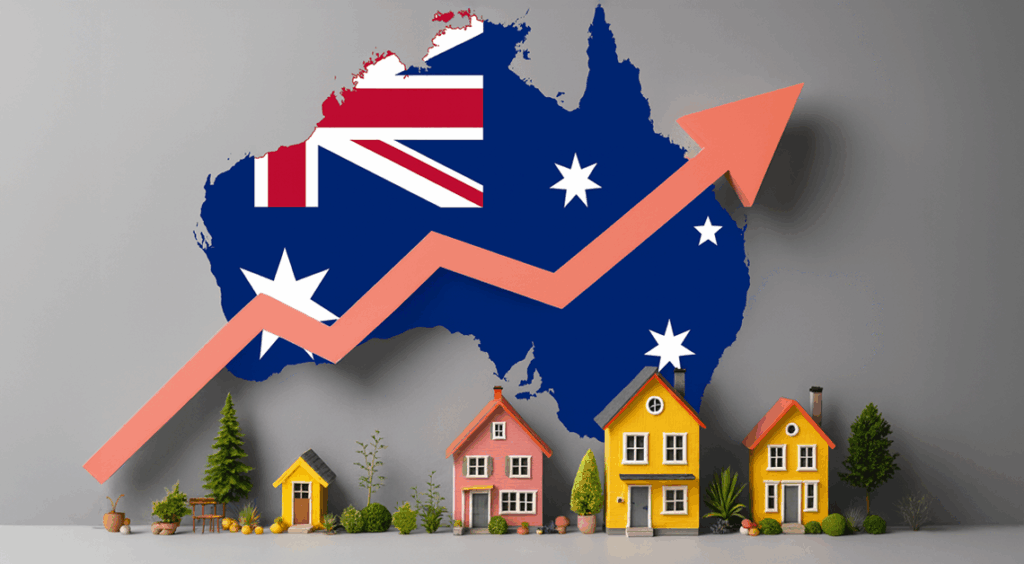
The Australian property market is experiencing a transformative shift as interest rate cuts reshape buyer behaviour and infrastructure investments unlock new opportunities. With national home prices climbing by 6.1% and experts forecasting potential gains of 6 to 10% into 2026, savvy property buyers are looking beyond traditional hotspots to find emerging markets with strong growth potential. The convergence of tight housing supply, population migration, and strategic infrastructure development is creating ideal conditions for property appreciation across various regions.
Western Sydney: The Powerhouse of Growth
Sydney's western suburbs are strengthening their position as Australia's most promising investment hub. Areas such as Blacktown, Penrith, and Liverpool are projected to record gains of 5 to 8% in 2026, significantly outperforming Sydney’s more modest forecast of 2 to 3%. Liverpool's median house price has already increased by 13.3% in the past 12 months, highlighting the region's accelerating momentum.
These outer suburbs benefit from significant state government infrastructure investment, improved connectivity through metro expansions, and more affordable entry points compared to inner-city locations. Mount Druitt and Campbelltown in the South West are expected to grow by 4 to 7% as the First Home Guarantee Scheme fuels demand among younger buyers. These areas also offer rental yields between 4.4 and 5.4%, with some pockets receiving up to 144 enquiries per listing.
Rouse Hill and The Ponds in the North West also stand out, with growth projections of 4 to 6% supported by metro connections and strong family appeal. The Western Sydney Airport development will significantly reshape the surrounding suburbs of Bringelly, Luddenham, and Leppington, which are already benefiting from early infrastructure works.
Sydney's Inner West and Surrounding Suburbs
Inner-west suburbs like Dulwich Hill offer strong fundamentals, including more than 70% owner-occupier demand, proximity to major employment hubs, and limited housing supply. Engadine in the Shire provides a similar appeal, attracting families due to excellent schools, convenient transport upgrades, and low new housing availability.
These established communities offer stability and consistently strong rental demand, making them attractive for investors seeking a combination of capital appreciation and dependable tenants. Their close access to employment and education infrastructure further reinforces long-term growth potential.
Brisbane's Emerging Powerhouses
Brisbane and its surrounds are undergoing a significant transformation. Petrie, located 29 kilometres north of the Brisbane CBD, has grown into a major university hub thanks to the expansion of the University of the Sunshine Coast's Moreton Bay campus. This has increased demand from students and academic staff, supporting ongoing growth.
Geebung is another standout suburb. It offers a more affordable alternative to neighbouring Wavell Heights and Kedron, while benefiting from proximity to the Brisbane CBD and Chermside employment precinct. Increasing knockdown-rebuild activity and renovations are driving steady value increases. These suburbs attract both investors and owner-occupiers seeking affordability without compromising lifestyle.
Ipswich: Queensland's Next Growth Epicentre
Ipswich has become one of South East Queensland's strongest investment regions, offering affordability, solid rental yields of around 4%, and major infrastructure investment. South Ripley sits within the Ripley Valley Priority Development Area and benefits from government spending on schools, roads, and housing, with thousands of new dwellings planned.
Redbank Plains continues to grow through rapidly expanding residential estates, attracting first-home buyers and renters. Bundamba provides affordability, train access, and proximity to the Ipswich CBD, supporting a diverse housing stock and consistent rental demand. The Ipswich to Springfield rail extension and Centenary Highway upgrades will further boost accessibility and liveability.
Queensland's Coastal Lifestyle Markets
The Sunshine Coast remains one of Australia's strongest growth regions, with forecasts of 12 to 16% annual growth, making it the second strongest market after Townsville. Nambour reflects this trend, achieving 11.1% annual growth with a median house price of $750,000. Its CBD revitalisation project and passenger rail investment continue to support long-term value.
Maroochydore and surrounding suburbs benefit from long-term population projections that exceed 500,000 residents within two decades. This will require more than 217,000 additional dwellings, reinforcing the region's significant supply gap. Combined with strong lifestyle appeal, the Sunshine Coast remains a top investment destination.
Melbourne's Western Corridor and Outer Suburbs
Melbourne's western suburbs are attracting strong interest from young buyers and newly arrived migrants due to affordability and growing infrastructure. Footscray and Sunshine continue to offer good value while benefitting from urban renewal. These suburbs attract buyers seeking vibrant inner-west living options at reasonable prices.
Outer suburbs such as Dandenong North and Langwarrin offer excellent fundamentals, including access to major employment hubs and high-quality schools. Langwarrin is particularly appealing to investors due to strong rental yields and new developments offering modern housing. Areas such as Wheelers Hill, Campbellfield, and Chelsea Heights have recorded quarterly gains close to 9%, showing that Melbourne’s growth is occurring across both premium and affordable suburbs.
Adelaide's Explosive Growth Suburbs
Adelaide is experiencing a powerful growth cycle with several suburbs recording exceptional capital gains. Fulham Gardens leads with 27.5% annual growth and 93.2% growth over five years. Blair Athol and Warradale also perform strongly with annual growth of 24.5% and 22.5%.
Hope Valley, Mawson Lakes, and Burton further illustrate Adelaide's strength. These suburbs offer family-friendly environments, good transport networks, and rental yields between 3.7 and 4.4%. Increased activity from cash buyers and first-home buyer incentives is sustaining demand even as affordability pressures rise.
Perth's Outer Suburb Surge
Perth continues to lead the country in price growth, exceeding 20% annually. The strongest gains are concentrated in outer suburbs, where high construction costs make established homes more appealing.
Maddington is Australia's top-performing postcode for house price growth, with annual gains of 22%and a median price of around $615,000. The suburb appeals to families, first-home buyers, and investors with weekly median rents of $625 and rental growth of 8.7%. Properties sell quickly, averaging 15 days on market.
Tasmania's Regional Renaissance
Regional Tasmania is outperforming Hobart, with northern suburbs recording 3.37% growth and the west and north-west regions achieving 4.96%. Over five years, regional Tasmania has grown 58% compared to Hobart's 32%.
Norwood, five kilometres from Launceston, shows strong demand with five-year capital growth averaging 10% annually and extremely low vacancy rates. Ravenswood remains highly affordable with median house prices below $400,000 but shows strong annual growth of 8% and rental yields of 6.6%.
Queensland's Gold Coast Waterfront Appeal
The Gold Coast continues to rank as one of Australia's premier lifestyle destinations, with median house prices between $1.15 million and $1.17 million. Annual growth ranges from 7 to 13%. Broadbeach Waters has recorded 22% growth over the past two years and is expected to grow another 8 to 10% in 2025.
Mermaid Beach and Burleigh remain standout performers due to their coastal appeal and strong demand from high-net-worth buyers. Limited housing supply and rising construction costs continue to support price growth across the region.
Key Market Drivers and Investment Fundamentals
Several powerful forces are driving the surge in Australian property prices. Interest rate cuts expected in mid-2026 could add up to $150,000 to national home values. Population growth of approximately 390,000 people will require 150,000 new dwellings, while housing completions are expected to reach around 180,000, leaving only a modest surplus.
Infrastructure spending continues to reshape cities and regions through major transport projects, urban renewal, and housing initiatives. Expansion of the First Home Guarantee Scheme is expected to increase demand in outer suburban and regional markets. Investors are increasingly targeting high-yield suburbs offering reliable rental income and capital growth prospects.
FAQs about Australia's Hot Property Markets
Q1: What factors determine which suburbs are likely to boom?
Strongest investment prospects are found in suburbs with significant infrastructure investment, tight housing supply, strong rental demand, and affordable entry prices. Suburbs with a high proportion of owner-occupiers tend to be less volatile, while those offering yields of 4 to 5.6% provide dependable cash flow.
Q2: Is now a good time to invest in Australian property?
Current conditions are favourable. Interest rates are expected to fall from mid-2026, and national forecasts anticipate 6 to 10% growth. However, timing and performance vary between suburbs, so detailed research is essential. Investors should consider both rental returns and capital growth.
Q3: Which regions offer the strongest rental yields?
Outer suburban and regional markets generally deliver the strongest yields. Ravenswood near Launceston leads with 6.6%, while Gailes in Ipswich offers 4.8 to 5.6%. These areas outperform capital city averages.
Q4: What is happening with property prices across Australia’s capital cities?
National median dwelling values sit around $815,912, with capital cities averaging $896,613. Sydney is forecast to reach $1.92 million by the end of 2026, Melbourne $1.17 million, and Perth and Darwin are expected to deliver strong double-digit growth. Brisbane, Adelaide, and Perth currently outperform Sydney and Melbourne.
Q5: Are regional and outer suburban properties safer investments than inner-city areas?
Regional and outer suburban locations often offer better value due to lower prices, higher yields, and stronger growth forecasts. However, they may experience higher volatility in downturns than established inner suburbs. A balanced approach that includes careful suburb selection, infrastructure assessment, and long-term planning is recommended.
Discover more insights into emerging investment opportunities and property trends at Inspirepreneur Magazine. Our expert analysis and in-depth coverage help you navigate Australia's dynamic real estate market with confidence.

At Inspirepreneurs Magazine, covering entrepreneurship, business failures, and the human stories behind the world's most ambitious founders. She writes at the intersection of strategy and storytelling.


