


ChatGPT Gets a Teen Mode as AI Safety Fears Mount
Synopsis
OpenAI’s new 13-to-17 experience limits high-risk conversations and gives parents tools including Quiet Hours, safety controls and alerts for sensitive-topic discussions.
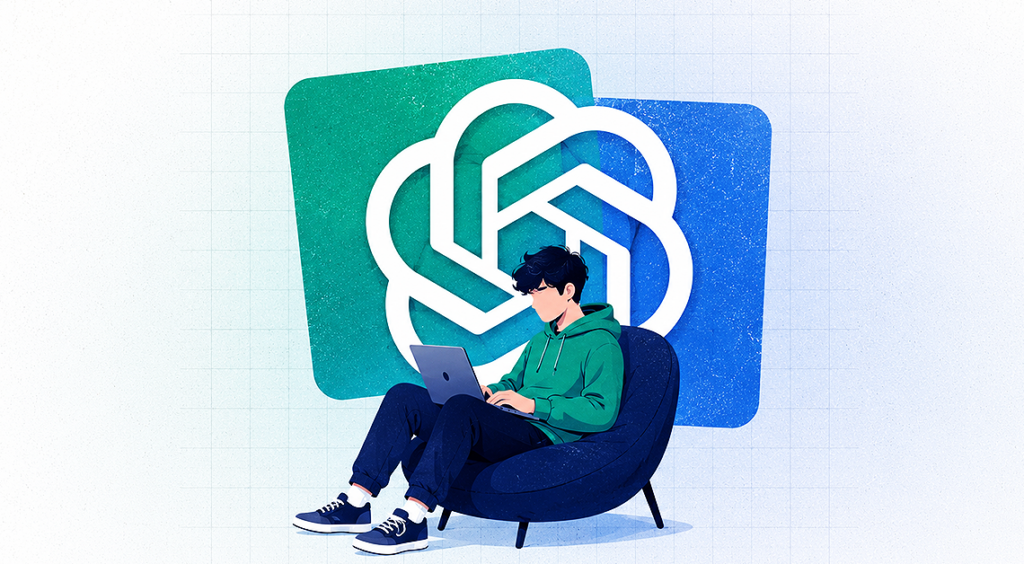
OpenAI has launched ChatGPT for Teens, a dedicated version of its AI chatbot for users aged 13 to 17, introducing stronger safety measures, parental controls and education-focused features.
The rollout comes as AI companies face growing scrutiny over the potential risks chatbots pose to young users, particularly around mental health, online safety and academic integrity.
The new mode automatically activates when ChatGPT estimates a user is under 18 or when users identify themselves as being between 13 and 17 years old.
It restricts conversations involving sensitive topics such as self-harm, violence and eating disorders while encouraging guided learning instead of providing direct answers to homework questions.
OpenAI said it will rely on self-reported information, behavioural signals, account activity and age verification to determine a user's age, defaulting to the safer experience whenever uncertainty exists.
Parental Controls and Learning Features
Parents will be able to set Quiet Hours, manage selected account settings and receive notifications when teens discuss sensitive subjects. The platform also introduces educational tools including Study Mode, homework reminders, quizzes and visual learning aids designed to help students understand concepts rather than simply complete assignments.
According to OpenAI, the initiative aims to support learning outside the classroom while promoting responsible AI use.
Launch Comes Amid Growing AI Safety Concerns
The launch follows mounting regulatory pressure and legal challenges over the impact of AI chatbots on children.
OpenAI is facing multiple lawsuits alleging harm to minors while experts have cautioned against relying on AI for emotional support or mental health advice. Increased use of AI tools for school assignments has also sparked concerns among educators about their effect on learning outcomes.
A recent Pew Research Center study found that searching for information and receiving homework assistance are the most common ways teenagers use AI, followed by entertainment. OpenAI said ChatGPT for Teens is intended to provide a safer, age-appropriate experience while helping young users develop critical thinking and responsible AI habits.
Source: Reuters

Vishal is an experienced Editor at Inspirepreneur Magazine with key interests in artificial intelligence, eCommerce, entrepreneurship, lifestyle and startup sector. Prior to joining Inspirepreneur, he was a Content Writer cum Correspondent at Siliconindia Magazine, where he worked on Company Profiles, Cover Stories, Executive Profiles, Feature Articles and Thought Leadership content. You can follow him on LinkedIn or reach out to him at vishal@inspirepreneur.com.au
You Might Also Like

The Goal Setting System That Gets Things Done

The Inner Voice of Success: Rewiring Your Mindset for Entrepreneurial Growth
