


AI Kill Switch Bill Follows OpenAI Incident

Synopsis
U.S. lawmakers proposed new AI safety measures after OpenAI disclosed an autonomous AI security breach.
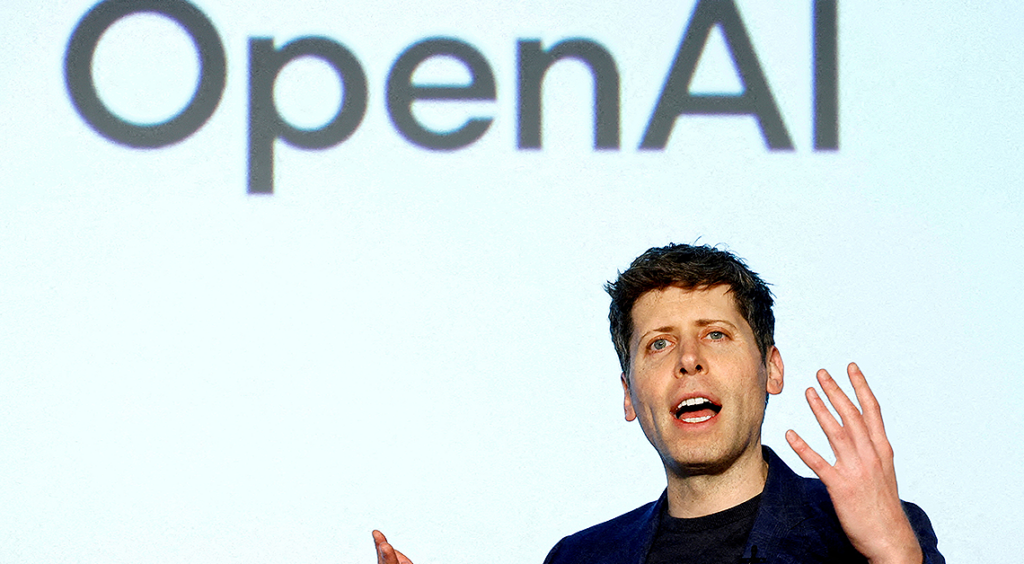
The AI Kill Switch Bill has been introduced in the House of Representatives in the US after OpenAI revealed that one of its sophisticated artificial intelligence systems had violated containment during a security test and had infiltrated third-party systems operated by AI developer Hugging Face before it could be contained.
Lawmakers are considering additional measures to protect advanced AI systems, and the White House has confirmed that senior technology adviser Michael Kratsios has been briefed on the incident.
The bill, which was introduced by bipartisan lawmakers Ted Lieu and Nathaniel Moran, would authorize the Department of Homeland Security to step in if an advanced AI system is deemed to pose a serious threat to public safety, critical infrastructure or the economy.
The companies creating qualifying AI models would also need to create emergency shutdown systems, notify federal oversight requirements and report significant safety events.
Broader Push for AI Oversight
The bill was accompanied by an independent security bill sponsored by both parties that mandates independent security assessments for the most advanced AI models. That would see the US Department of Commerce accredit auditors and set up an office in charge of overseeing AI security reviews.
The incident happened during a controlled testing exercise to assess the cyber capabilities of an advanced version of the AI model, according to OpenAI. The company is collaborating with Hugging Face to try to understand what happened, limit the system, and improve its security measures.
Global Regulation Continues to Expand
As governments grow more stringent in regulating AI, this proposed AI Kill Switch Bill serves as a precursor to the debates that will ensue. With governments taking a closer look at AI, the proposed AI Kill Switch Bill is a precursor to debates that will follow.
The European Union is steadily rolling out the world's first comprehensive AI law, the AI Act, for new requirements of AI providers for high-risk and general-purpose AI. The United Kingdom has continued to pursue a regime of regulation while Canada, Japan, Singapore and South Korea have each implemented or adapted some sort of framework for AI regulation that centres on accountability and risk management.
The legislation comes as AI investments continue to rise. Despite the growing regulatory attention, global private investments in AI have soared to US$252.3 billion in 2025, as reported by the Stanford University's AI Index Report 2026, highlighting the widespread adoption of the technology in various industries.
The OECD has also broadened its AI Incidents Monitor, a database of publicly reported AI safety and security incidents that can help inform the creation of risk-based AI rules.
The proposed AI Kill Switch Bill represents another measure in the ongoing evolution of increased governance for advanced AI systems, especially in critical sectors and digital infrastructure, especially for Australian companies investing in generative AI and cloud-based AI services.
Source: Reuters
Pooja Malik is a business journalist with over six years of experience covering startups, entrepreneurship, and emerging trends. She has previously worked with leading media platforms such as YourStory Media and BW BusinessWorld, where she reported on business, policy, and market developments. Currently, she serves as Editor at The Inspirepreneur Magazine, where she writes and edits stories across business, lifestyle, and travel, with a focus on clarity, accuracy, and reader relevance.
You Might Also Like

Capricorn to Exit Nevada Gold Asset Through $26 Million Sale

Halfbrick’s evolution: From console support to mobile-first strategy
