RBA Points to AI Boom as Another Inflation Risk That Could Push up Interest Rates
Synopsis
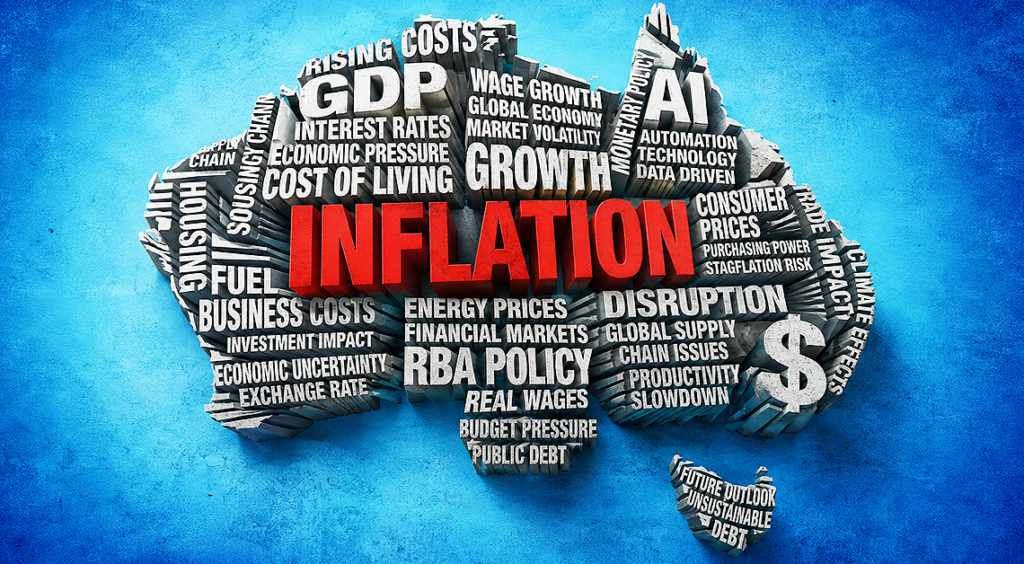
The RBA warns the AI boom and Middle East conflict could push inflation higher, increasing the risk of further interest rate rises in Australia.
Key Highlights
- RBA says demand for AI computing power is driving technology prices higher
- Rising prices for technology may boost Australia's import inflation.
- Top risk for inflation 5 over Middle-east conflict and AI boom.
In a statement, Andrew Hauser, deputy governor of the Reserve Bank of Australia said the “insatiable demand” for computing power was pushing up prices for technology products. It would drive up the price of goods imported into Australia and contribute to inflation.
Hauser said the RBA were closely monitoring a couple of key risks including the global AI and tech boom. He said skyrocketing memory prices mean those shopping for a laptop recently might have purchased one due to the increase.
Interest Rates Could Rise Again
The RBA has maintained a cash rate of 4.35% following three interest rate hikes in 2026. Hauser said the higher rates serve to slow the economy.
But to meet its target for inflation, the economy might have to ease a bit more, according to some. This is not a recession or depression, where things actually go into negative territory for a while, Hauser says, noting that consumption is still forecast to rise by about 1.5% a year ahead and employment by more than 1%.
He cautioned that if inflationary pressures worsened and inflation remained too elevated, the RBA would need to increase rates once more.
The Middle East conflict remains a risk
Another big risk is coming from the Middle East conflict, Hauser said. The RBA had been hoping the situation would stabilise following a peace deal, but this had not occurred, he said.
The fact that Mr Lowe pointed out that the RBA is still very much keeping a close eye on developments means that another worsening could legitimate rising price pressure.
Australia Faces Domestic Inflation Pressure
Weak productivity growth is another source of concern for Australia’s RBA. Hauser explained that a slower increase in the economy’s productivity or its ability to create more goods and services could be inflationary. The RBA was tracking soft growth in the supply side of the economy, including productivity, he said.
Wage Growth Remains Moderate
Wage growth in Australia eased a little. The June quarter wage price index was 0.8% according to the Australian Bureau of Statistics, while annual wage growth slowed to 3.2%.
The figures were reassuring for the RBA as they showed Australia was not in a wage-price spiral, according to EY senior economist Paula Gadsby. But she added that the RBA would continue to monitor broader wage and labour costs.
Citi analysts say they expect wage growth to lift in the September quarter, with a 4.75pc increase approved by the Fair Work Commission for award wages.
Public Sector Wages Grow Faster
For a sixth consecutive quarter, public-sector wages have grown faster than private-sector ones. Wages in the public sector were up 3.4% on the year, easing from a 3.7% increase in June 2025. Wages for the private sector rose 3.1%, compared to a 3.4% rise one year earlier.
Public-sector wages rose mainly because of increases in state government public service jobs, Rachael McCririck, head of price statistics at the Australian Bureau of Statistics said. The growth was also boosted by scheduled increases under the Commonwealth public service remuneration pact.
Source: SmartCompany

At Inspirepreneurs Magazine, covering entrepreneurship, business failures, and the human stories behind the world's most ambitious founders. She writes at the intersection of strategy and storytelling.