Google Earth AI Feature Pulled After Misuse
Synopsis
Alphabet rolled back Google Earth's new AI feature after user-generated images raised policy compliance concerns.
Google has recently introduced a new feature for Google Earth, which uses AI to generate images of the real world, but has since been withdrawn due to policy breaches from its use and new safety measures are being put in place.
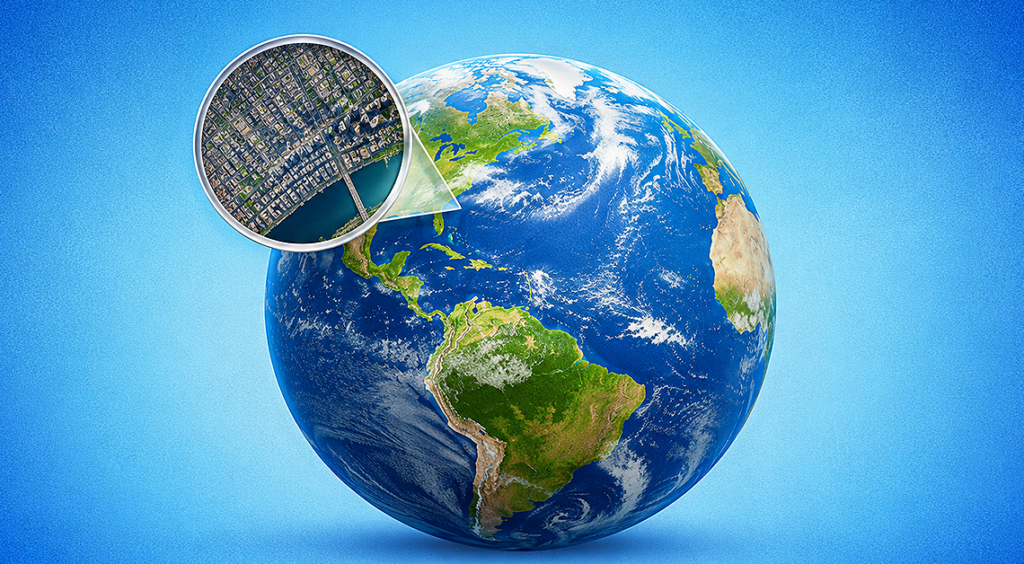
The feature, which debuted this week, allowed people to create photorealistic photos from Google Earth's satellite, aerial and 3D imagery with text prompts. Google stated that the images created by AI were marked with a watermark and were not part of its mapping data.
Content captured in screenshots that violated its policies, however, was posted online, prompting Google to limit the feature's availability as it tightens up its protections.
Safety Review Follows Early Policy Violations
Google claims it has taken action after identifying "policy violations" on Google Earth, created using its AI tool, but has not revealed how many, or what types. The company has yet to reveal a date for the feature to be widely available once again.
The shift aligns with the general trend tech firms are facing, given how rapidly AI capabilities are advancing with generative tools. However, the rise of AI-generated images has created a significant focus for regulators, as platforms can generate misleading or fabricated content despite implementing measures such as watermarking and content controls.
The rise in adoption of generative AI led to a new record in the number of governments introducing legislation and regulation on AI in 2024, according to the Stanford AI Index Report 2025.
Additionally, it emphasized that top AI developers are increasingly incorporating safety testing and risk management into their workflows before releasing new models to the public.
AI Expansion Continues Alongside Stronger Governance
The rollback follows a recent trend of Alphabet's investment in artificial intelligence in its products and infrastructure. Google's total revenue for the first quarter of 2026 is projected to reach US$90.2 billion, with Google Search and Google Cloud revenue continuing to grow, while its total net income is expected to stand at US$34.5 billion.
It also follows the governments' ongoing efforts to establish frameworks for the governance of AI. Countries such as Australia, the United States, the United Kingdom, Japan and Singapore have taken steps on the governance of AI, with the latter two adopting voluntary codes of practice or guidelines that include principles of transparency, accountability and responsible use, while the EU's AI Act sets out specific rules for some AI systems.
The Google Earth AI feature will be available in a more restricted version until more protections are added to ensure it complies with the company's content policies, Google said.
Source: Reuters

Pooja Malik is a business journalist with over six years of experience covering startups, entrepreneurship, and emerging trends. She has previously worked with leading media platforms such as YourStory Media and BW BusinessWorld, where she reported on business, policy, and market developments. Currently, she serves as Editor at The Inspirepreneur Magazine, where she writes and edits stories across business, lifestyle, and travel, with a focus on clarity, accuracy, and reader relevance.
You Might Also Like

Key Startup & Tech Events in Australia – May 2026

The Foundations of a Feedback-Friendly Workplace: Strategies for Success