OpenAI leadership exits narrow focus as strategy resets

Synopsis
OpenAI leadership exits involving Kevin Weil and Bill Peebles come as the company sharpens focus on core artificial intelligence systems. The move follows rising enterprise demand and growing global investment, with businesses increasingly adopting AI tools for operations, automation, and software development across multiple industries.
OpenAI leadership exits involving Kevin Weil and Bill Peebles reflect a shift toward core AI systems as enterprise demand rises and global spending continues expanding across major technology markets.
Key Highlights
- OpenAI leadership exits include Kevin Weil and Bill Peebles amid strategic realignment
- Company is narrowing focus to core AI systems and reducing side project investments
- Global AI spending projected to exceed $500 billion by 2027, driven by enterprise demand
- OpenAI revenue reaches billions annually, supported by growing adoption of AI tools
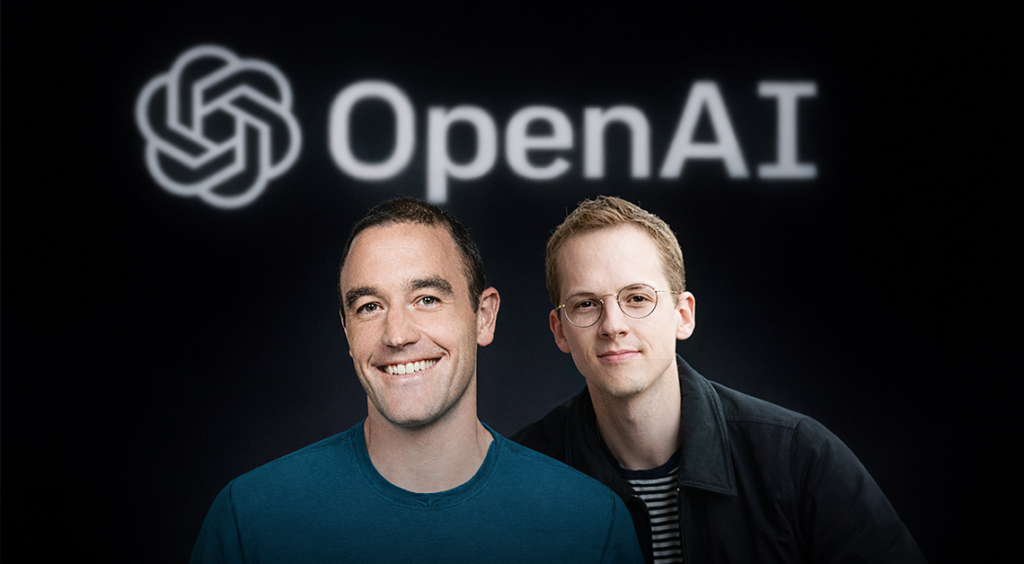
OpenAI leadership exits are drawing attention after Kevin Weil and Bill Peebles left OpenAI during an internal shift toward core artificial intelligence systems and infrastructure.
The development was first reported by TechCrunch. It comes as OpenAI reduces work on side initiatives to prioritise large language models and multimodal AI tools that are seeing wider enterprise use.
Leadership reset follows product consolidation
Kevin Weil oversaw product strategy across OpenAI’s growing suite of AI services. Bill Peebles contributed to image-generation research, a key part of the company’s multimodal capabilities.
These OpenAI leadership exits follow broader internal adjustments aimed at aligning teams with core systems.
The company has been refining its product roadmap amid increasing demand for scalable AI platforms.
AI demand rises across enterprise markets
The timing of the OpenAI leadership exits aligns with continued expansion in enterprise AI adoption.
According to International Data Corporation, global spending on artificial intelligence is expected to surpass $500 billion by 2027, with consistent double-digit annual growth.
Markets led by the United States, followed by China and Western Europe, account for the largest share of this spending.
Regions such as Australia and India are seeing faster adoption rates as businesses integrate AI into operations, based on IDC and Statista estimates.
Revenue growth and competitive pressure
The OpenAI leadership exits come as the company reports annualised revenue in the billions, supported by enterprise subscriptions and API usage.
Growth has been linked to increasing demand for generative AI tools across sectors, including finance, healthcare, and software.
OpenAI operates in a competitive environment alongside Microsoft, Google, and Anthropic, all expanding their AI offerings.
Limited official comment
OpenAI has not issued detailed statements on the OpenAI leadership exits. The company has previously said it is focusing on long-term AI development and scalable systems.
Industry observers say such leadership changes often follow shifts in strategy, particularly as companies move from experimentation to core product execution.
FAQs
Q1. Why are the OpenAI leadership exits significant?
They reflect a shift toward core AI systems and reduced focus on side projects.
Q2. What roles did Kevin Weil and Bill Peebles hold?
Kevin Weil led product strategy, while Bill Peebles worked on AI research, including image-generation models.
Q3. How does this relate to broader AI industry trends?
The exits come as enterprise AI adoption and global spending continue to grow rapidly.
Q4. Has OpenAI commented on these departures?
The company has not provided detailed public statements on the leadership exits.
Follow Inspirepreneur Magazine for daily global business news.
Pooja Malik is a business journalist with over six years of experience covering startups, entrepreneurship, and emerging trends. She has previously worked with leading media platforms such as YourStory Media and BW BusinessWorld, where she reported on business, policy, and market developments. Currently, she serves as Editor at The Inspirepreneur Magazine, where she writes and edits stories across business, lifestyle, and travel, with a focus on clarity, accuracy, and reader relevance.