


FDA Launches PreCheck Program to Expand U.S. Pharmaceutical Production
Synopsis
Walmart CEO John Furner oversees the company’s U.S. business during a period of shifting consumer behavior and operational change. A longtime Walmart executive, Furner began his career as a store manager trainee and rose through leadership roles across operations and merchandising. Now leading Walmart’s largest division, he is responsible for store performance, workforce management and digital integration nationwide. His appointment reflects Walmart’s focus on internal leadership continuity as the Fortune 500 retailer adapts to evolving retail and supply chain challenges.
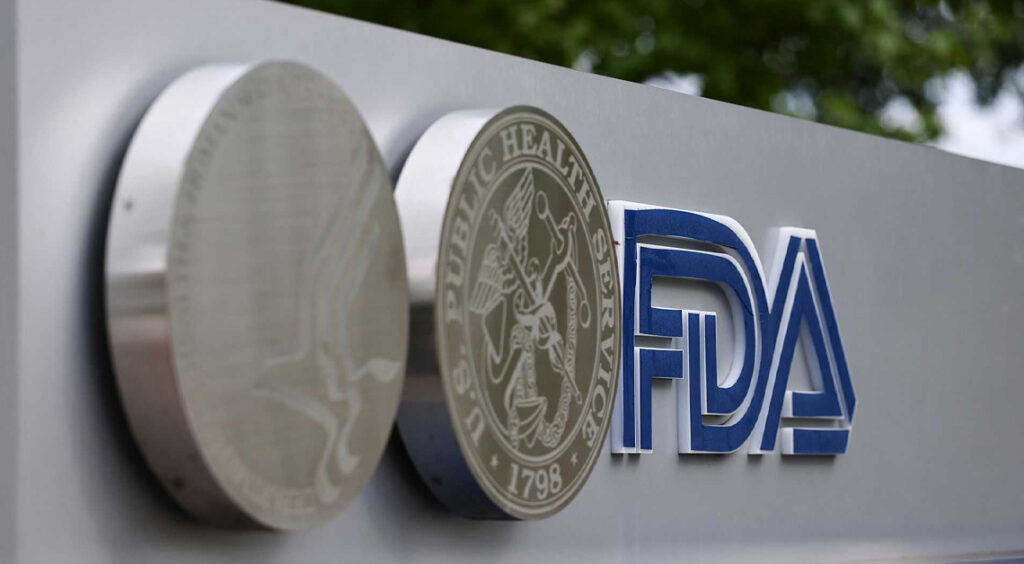
The U.S. Food and Drug Administration has launched a new pilot initiative aimed at strengthening domestic pharmaceutical manufacturing and reducing reliance on overseas supply chains. The FDA’s PreCheck program is designed to provide early regulatory engagement for drug manufacturers building or expanding facilities in the United States.
The move follows recent supply disruptions and growing concerns over drug shortages.
FDA Introduces PreCheck Pilot Program
The FDA formally introduced the PreCheck pilot program, an initiative intended to support domestic drug manufacturing through earlier and more structured regulatory engagement. The program focuses on facilities that are in the planning or construction stages and are expected to manufacture medicines considered important to public health.
The program will operate in two phases. In the first phase, selected manufacturers will receive FDA feedback during facility design and construction, including discussions on quality systems and manufacturing controls. The second phase involves early interaction before formal regulatory submissions, aimed at improving clarity and reducing delays once production begins.
Applications for the pilot opened on February 1, 2026. The FDA will select a limited number of participants based on criteria such as readiness of the facility, alignment with national supply priorities, and the type of drugs expected to be produced. Final selections are expected by the end of June 2026.
Strengthening the U.S. Drug Supply Chain
The United States relies heavily on foreign manufacturing for both finished medicines and active pharmaceutical ingredients. Recent shortages and global disruptions have highlighted vulnerabilities in the supply chain. The PreCheck program is intended to support domestic capacity and improve access to essential medicines during routine and emergency situations.
For drugmakers, early regulatory engagement may provide clearer expectations and reduce uncertainty during facility development. By addressing potential issues earlier, the program aims to improve regulatory predictability and reduce the risk of delays once manufacturing operations begin.
Public Health and Policy Implications
A more stable domestic manufacturing base could enhance national preparedness and reduce the likelihood of shortages for critical medicines. The program also reflects a broader policy push to strengthen domestic production across strategic industries.
FDA Commissioner Dr. Marty Makary said the program is designed to help reverse decades of declining domestic drug manufacturing and improve long-term supply resilience. He noted that earlier engagement between regulators and manufacturers can help ensure quality standards are met without unnecessary delays.
Industry observers have welcomed the focus on regulatory clarity, while also noting that long-term success will depend on sustained investment and policy coordination beyond the pilot phase.
Over the past several decades, pharmaceutical manufacturing has increasingly shifted outside the United States, driven by cost considerations and global supply chains. However, disruptions during the COVID-19 pandemic and subsequent drug shortages prompted renewed attention to domestic production. The PreCheck initiative follows executive directives calling on federal agencies to strengthen U.S.-based manufacturing and streamline related regulatory processes.
Evaluation of Pilot Outcomes
Once participants are selected, the FDA will monitor outcomes from the pilot program, including timelines, compliance outcomes, and manufacturing readiness.
Depending on results, the agency may consider expanding the initiative or incorporating its framework into broader regulatory practices aimed at supporting domestic pharmaceutical manufacturing.
Key Highlights
- FDA launches PreCheck pilot to support U.S. drug manufacturing
- Program offers early regulatory engagement for new facilities
- Final participants expected to be selected by June 2026
Follow Inspirepreneur Magazine for the latest American breaking news.

Pooja Malik is a business journalist with over six years of experience covering startups, entrepreneurship, and emerging trends. She has previously worked with leading media platforms such as YourStory Media and BW BusinessWorld, where she reported on business, policy, and market developments. Currently, she serves as Editor at The Inspirepreneur Magazine, where she writes and edits stories across business, lifestyle, and travel, with a focus on clarity, accuracy, and reader relevance.
You Might Also Like

MrBeast Justifies $500,000 Stunt Putting Man in Burning Building

Anthropic Hires Orange’s AI Chief as It Expands Across Europe
