


India’s BYJU’S faces new legal setback after Singapore Court order
Synopsis
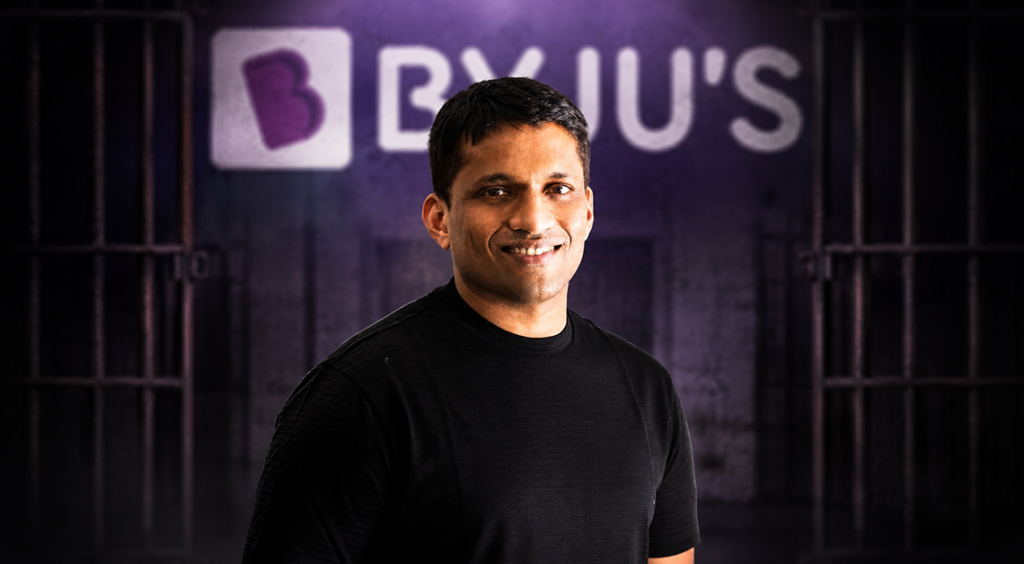
India-based edtech firm BYJU’S is facing fresh pressure after founder Byju Raveendran was sentenced by a Singapore court in a contempt case tied to disclosure-related orders. The ruling comes as the company continues dealing with debt disputes, delayed filings, and broader investor scrutiny surrounding startup governance and financial reporting standards.
BYJU’S founder Byju Raveendran received a six-month jail sentence in Singapore, adding to ongoing lender disputes, financial stress, and investor concerns surrounding governance at the India-based edtech company.
Key Highlights
- India-based edtech firm BYJU’S founder sentenced in Singapore contempt of court case.
- Court proceedings linked to lender disputes and disclosure-related compliance obligations.
- BYJU’S reported FY22 losses exceeding Rs 8,200 crore amid widening financial pressure.
- Global investors have increased scrutiny on startup governance and debt structures since 2022.
India-based edtech firm BYJU'S is again under fire, this time with a six-month jail term imposed by a Singapore court in contempt of court proceedings relating to disclosure and compliance matters.
The ruling follows a string of lender disputes, slow filings and debt-related lawsuits filed against the once highly valued education tech firm in multiple countries.
Debt Battle Spreads Across Borders
The Singapore proceedings are linked to the $1.2 billion in term loans that BYJU'S borrowed from international lenders in 2021. The court placed Raveendran in contempt for “court directed disclosures” and “compliance obligations” related issues, reports said.
The latest is the newest in a series of cross-border legal disputes with the company in Singapore, India and USA.
As a hub for financial and arbitration activities, Singapore has become an important forum for restructuring and creditor related proceedings for Asian startups and technology companies.
Edtech Boom Turns Into Financial Stress
During the unprecedented wave of online learning that happened during the pandemic, BYJU'S was one of the most watched success stories of a start-up. The company grew organically through acquisitions in India and abroad but subsequently took a hit when the costs went up, investors' concerns and the slowdown in growth.
Consolidated revenue was roughly Rs 5,298 crore and losses increased to over Rs 8,200 crore, as per the company's FY22 audited financial statement.
In 2018, the company was valued at almost $22 billion at the height of the global edtech bubble.
Wider Pressure on Startup Funding
The BYJU'S case is timely, as investors are increasingly taking a critical look at how technology startups, particularly in India, govern, manage debt, and report finances.
India's edtech industry witnessed a significant decline in funding after 2022, as market intelligence firm Tracxn noted that investors moved on to profitability and sustainable operations. Research firm HolonIQ also found that investment activity in the global education technology market is down after the peak years of the pandemic.
The new ruling should leave BYJU’S in the sights of international creditors and investors in startups already keeping a close eye on governance practices of private tech firms.
FAQs
Q1. Why was BYJU’S founder sentenced by the Singapore court?
The case involved alleged non-compliance with court-directed disclosure and compliance requirements linked to lender-related proceedings.
Q2. What financial issues has BYJU’S faced recently?
BYJU’S has dealt with widening losses, delayed financial filings, debt disputes, layoffs, and investor scrutiny over governance and operations.
Q3. Why is the BYJU’S case drawing wider attention?
The case comes amid broader global investor focus on governance, debt management, and financial transparency at private technology startups.
Follow Inspirepreneur Magazine for daily global business news

Pooja Malik is a business journalist with over six years of experience covering startups, entrepreneurship, and emerging trends. She has previously worked with leading media platforms such as YourStory Media and BW BusinessWorld, where she reported on business, policy, and market developments. Currently, she serves as Editor at The Inspirepreneur Magazine, where she writes and edits stories across business, lifestyle, and travel, with a focus on clarity, accuracy, and reader relevance.
You Might Also Like

Target Sets $1 Billion Plan to Reverse Falling Sales

Amazon Launches Bedrock AgentCore and Marketplace for AI Agents at Scale
