Instagram Chief Says Users Can’t Be “Addicted” to the App, In A Case

Synopsis
Instagram chief Adam Mosseri testified in a major Los Angeles trial, rejecting the idea that social media causes “clinical addiction.” The lawsuit, brought by a 20-year-old woman named Kaley, is the first in a wave of cases seeking to hold tech companies accountable for youth mental health harms. Mosseri defended Instagram’s design choices and beauty filters, despite internal emails showing staff concerns about body image effects. The outcome could shape the future of the social media industry.
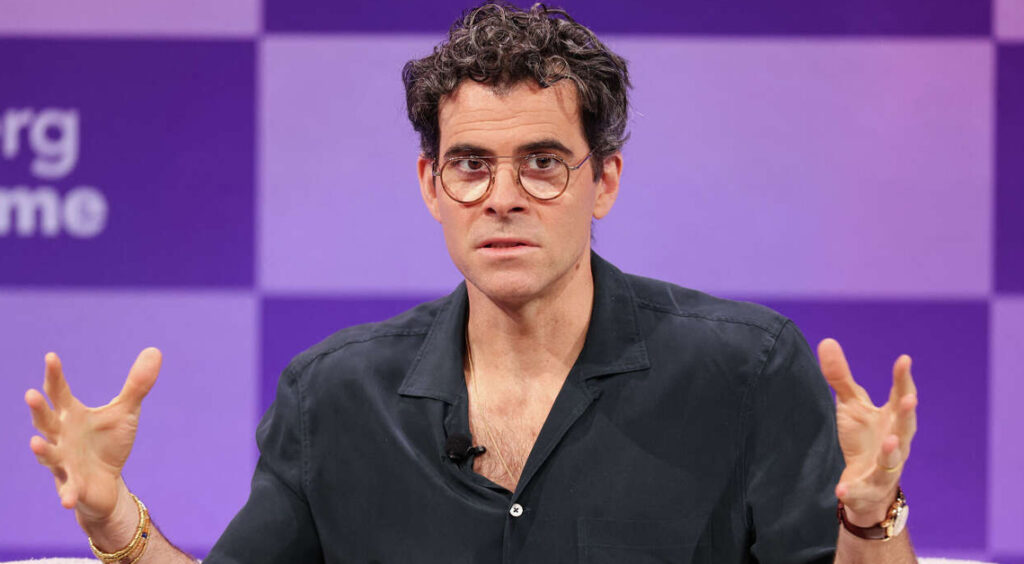
The head of Instagram testified in court on Wednesday that he does not think people can be “clinically addicted” to the social-media platform. He was testifying in a landmark trial, where a young woman was suing the app for designing features that she says hooked her and ultimately harmed her mental health. Though he acknowledged some users spend too much time on the app, Mosseri called it “problematic use” rather than a medical addiction.
Key Highlights
- Adam Mosseri, the head of Instagram, has said it is not possible to be clinically addicted to the app.
- The trial is the first of more than 1,500 cases against social media for harming kids.
- A 20-year-old woman describes how the app’s design drove her into depression and anxiety.
- Attorneys questioned whether Instagram keeps “beauty filters” mainly because they generate revenue.
- Internal emails showed staff members were concerned that some filters were promoting body image problems.
Instagram Chief Defends App in Landmark Trial
LOS ANGELES — Adam Mosseri, the head of Instagram, testified on Wednesday to counter claims that his company deliberately gets children addicted to social media. In a significant court case, Mosseri said that although some people may spend excessive time on the app, that does not amount to a medical addiction.
The trial is being closely followed around the world. It is the first of more than 1,500 lawsuits in which families are suing companies such as Meta, which owns Instagram, and YouTube. They argue that these platforms use specific design features to “trap” young users, contributing to mental health issues including depression and eating disorders.
Addiction vs. Problematic Use
During questioning, Mosseri was asked directly whether he believed Instagram is addictive. He said he prefers the phrase “problematic use.” He compared it to watching too much television, behaviour that might have negative consequences but does not necessarily qualify as a medical condition.
Lawyers representing the plaintiff, a 20-year-old woman named Kaley, presented evidence that she once spent more than 16 hours on the app in a single day. Mosseri acknowledged that such use sounded concerning but maintained that it should not be described as a clinical addiction. He also noted that he is not a physician, though he has seen addiction affect someone close to him and therefore chooses his words carefully.
Questions Over “Beauty Filters” and Body Image
Much of the testimony focused on Instagram’s beauty filters, which alter a user’s appearance in photos. Attorneys introduced internal emails from 2019 showing employees debating whether some filters could be harmful. One message suggested experts believed certain filters might contribute to body dysmorphia, a condition in which people become preoccupied with perceived flaws in their appearance.
Mosseri said the company attempted to strike a balance. Instagram removed filters that directly simulated plastic surgery markings but continued to allow filters that subtly enhanced features, such as fuller lips or narrower noses. Lawyers argued that these tools were preserved because they help the platform grow and remain competitive, particularly in large markets like India.
Profits and Teen Safety
The court also examined whether the company prioritises profits over the well-being of young users. Mosseri, whose compensation package can exceed $20 million with bonuses, denied that Instagram targets teenagers primarily for financial gain. He argued that teens are generally less profitable than adults because they have less disposable income and interact less with advertisements.
Attorneys for the social media companies contend that Kaley’s mental health struggles stemmed from other challenges in her life rather than from her use of the apps. The trial is expected to continue for several weeks and could have far-reaching implications for how social media platforms are designed and regulated in the future.
Follow Inspirepreneur Magazine for the latest American news.
At Inspirepreneurs Magazine, covering entrepreneurship, business failures, and the human stories behind the world's most ambitious founders. She writes at the intersection of strategy and storytelling.