


Tesla Kills Iconic Model S and X to Build Robots
Synopsis
Tesla said it will stop building the Model S sedan and Model X sport utility vehicle and reassign factory resources to an initiative to build humanoid robots. CEO Elon Musk announced the decision on an earnings call, while reporting declining profits and lower car sales. Though small in compiled as a share of deliveries, the decision is a significant strategic shift. Now Tesla is betting its future on robotaxis, robots and artificial intelligence to achieve long-term growth.
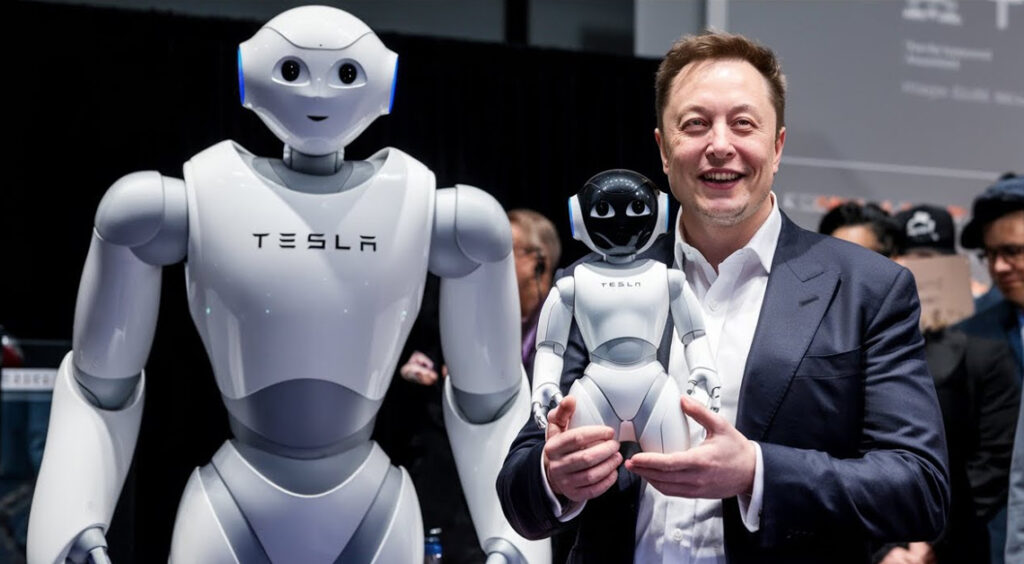
Tesla announced that it would stop making the Model S and Model X, two vehicles the company introduced a decade ago when its founding chief executive, Elon Musk, wanted to show sceptical consumers that electric cars were cool. Musk disclosed the decision during a Wednesday earnings call, adding that the factory space would be repurposed to manufacture humanoid robots.
The Model S and Model X are among Tesla’s most expensive vehicles, and have been a part of its lineup for more than a decade. Both models are anticipated to be killed sometime in the next quarter. The two together account for about 3 per cent of Tesla’s overall vehicle deliveries worldwide, so the impact on sales volume in the short term is likely to be limited.
Musk also hinted over the call that selling cars wouldn’t be at the heart of Tesla’s future. Instead, he led investors to robots and self-driving technology as the next big drivers of the company’s growth.
Automotive Move Signals A Major Shift For Tesla
The move shows the extent to which Tesla’s priorities are shifting. The company once primarily identified as an electric vehicle maker is now framing robots and self-driving transportation as its overarching mission. Tesla’s Cybercab, which it is developing, a robotaxi that drives itself and has only two seats, with no steering wheel or pedals, could replace all of Tesla’s current vehicles combined, according to Musk. He described a future in which robots and self-driving mobility are the source of most of the company’s value.
But Tesla’s robotaxi service, is by its nature, quite restricted. It is currently operating in just two markets, relying on safety monitors who are Tesla employees seated behind the wheel. (Several other rivals already offer fully driverless ride services in yet more cities.) That presents a challenge for Tesla as it continues to rely heavily on selling vehicles to finance its ambitions in robotics and artificial intelligence, leaving the timing of this strategic shift particularly risky as its core auto business also weakens.
KEY HIGHLIGHTS
• Tesla will halt production of Model S and Model X cars
• Factories will be converted to humanoid-robot use
• Profits and car sales continue to fall
• Musk is betting big on robotaxis and AI
• Both competition and market pressure are increasing on a worldwide basis
Musk Gets Behind Robots And Robotaxis: Musk Doubles Down On Robo-Vehicles
Tesla’s next chapter will be defined by robots and autonomous vehicles, Musk told investors. He said the company hoped to expand its robotaxi service to seven markets in the first half of this year, on top of the two it already serves. He also repeated Tesla’s previous goal of providing robotaxi services to half the US population, though he changed the timing. Musk estimated that between a quarter and a half of the United States could have fully autonomous vehicles on the road by the close of 2026, pending regulatory acceptance.
Still, despite continued worries over profitability, Tesla shares were up slightly in after-hours trading following the release of its earnings on Wednesday, a sign that investors continue to be responsive to the company’s vision for AI and robotics.
Profits Dip While Competition And Controversy Heat Up
Tesla’s finances have deteriorated sharply. Adjusted income was down 16 per cent in the fourth calendar quarter of 2025, which the company announced. Net income fell 61 per cent for the quarter and 46 per cent for the full year, a decrease of roughly $3.3 billion. In nine of the last 10 quarters, Tesla has now posted lower earnings. Its annual income in 2025 is about 30 per cent of what it was in 2022, which was its peak year.
Sales have also slowed significantly. Tesla posted the steepest year-on-year fall in quarterly sales volume in the fourth quarter of 2025, and its biggest annual sales drop on record, a dramatic turnabout for a company that had been going at nearly a 50 per cent clip annually.
The brand has faced criticism in the US and Europe because of Musk’s political involvement, including his support for US President Donald Trump. Then, demand was depressed when the $7,500 federal tax credit for electric vehicle buyers disappeared. Competition has also been heating up, especially in China. It was in 2025 that Tesla lost its perch as the largest electric-car maker in the world to a Chinese competitor, BYD.
Robots, A.I. And Big Bets Define Tesla’s Future
Tesla also revealed for the first time that it had agreed to ultimately invest $2 billion in xAI, an artificial intelligence company that Musk founded in 2023 and is closely connected with his social media platform, X.
The promise of robots and robotaxis has helped send Tesla’s share price to record highs in recent months, though it has pulled back somewhat since then. Now investors are watching to see if the company can turn lofty ambitions into lasting profits.
By closing the chapter on the Model S and Model X, Tesla is signalling where it thinks its future lies. The central issue is whether robots and self-driving technology can produce real revenue quickly enough to help make up for the deceleration of electric-vehicle sales.
Follow Inspirepreneur Magazine for business news updates.

At Inspirepreneurs Magazine, covering entrepreneurship, business failures, and the human stories behind the world's most ambitious founders. She writes at the intersection of strategy and storytelling.
You Might Also Like

Lakers Sold for Record-Breaking $10 Billion to Mark Walter

Europe faces April energy crunch as Iran war disrupts supply, Shell warns
