US weighs unusual fuel path for next-gen nuclear reactors
Synopsis
Plutonium from dismantled nuclear weapons is under review for potential use in advanced reactor fuel, according to multiple reports. Energy authorities are discussing options with nuclear startups, while safety and regulatory concerns remain central. No final decision or formal agreement has been announced.
Plutonium from dismantled warheads is being reviewed as potential fuel for advanced nuclear reactors in early-stage discussions with startups, amid ongoing safety, regulatory, and energy supply considerations globally.
Key Highlights
- Plutonium from warheads under review for use in advanced nuclear reactor fuel systems.
- Talks involve nuclear startups and energy authorities exploring alternative fuel pathways.
- Global nuclear power supplies about 9–10% of electricity across more than 400 reactors.
- Nuclear capacity growth continues in China, while France and others maintain high reliance.
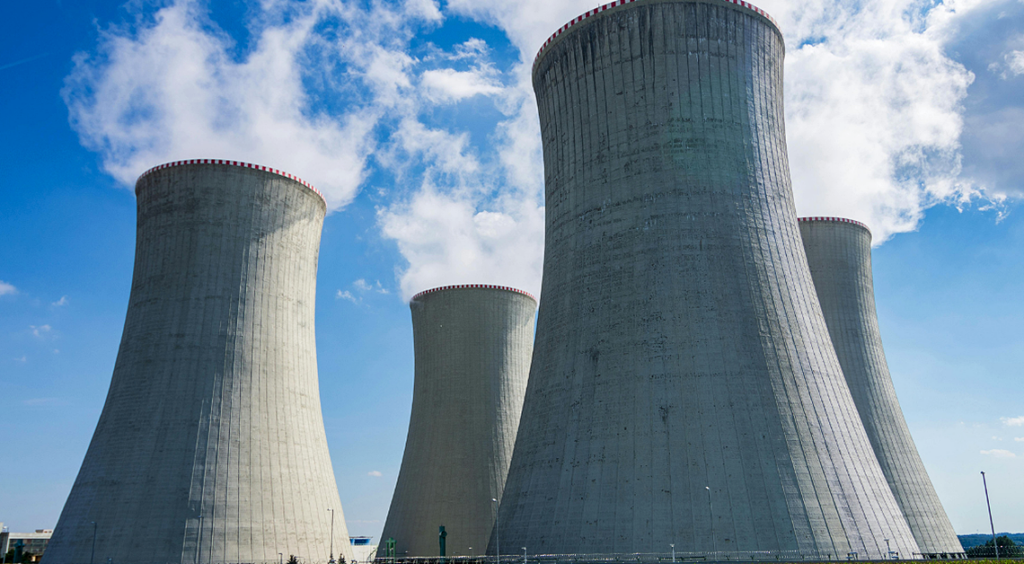
Plutonium from warheads is being considered as a fuel in advanced nuclear reactors. Early talks are underway between officials and nuclear startups and energy developers on the potential use of material recovered from dismantled nuclear weapons.
The plan is to convert existing surplus plutonium from Cold War era weapons programs. Based on its weapon origin, the material has historically been regarded as high risk and it is tightly controlled by the Federal Government.
There has yet been no agreement or policy decision made, and discussions continue among energy authorities and industry bodies.
Reactor Startups and Fuel Shift Debate
Warhead plutonium is being proposed by developers of new reactor designs, which are not large nuclear plants. The goal of these systems is to employ alternative fuels and to function with smaller, more versatile reactor designs.
There are a few reactor projects in the industry reportedly being tested by startups that use recycled or non-traditional nuclear materials in their fuel pathways. The need for plutonium is part of a global trend of decreasing reliance on enriched uranium supply chains.
Based on the estimates of the World Nuclear Association, the world currently has over 400 reactors and nuclear energy supplies about 9-10% of the world's electricity.
Energy Security and Stockpile Challenge
The challenge of nuclear policy; managing excess material from dismantled weapons, is a long-standing one, and plutonium from warheads is included. The material is still heavily controlled due to the possible use in nuclear weapons if not carefully handled.
Widely cited data from the United States Energy Information Administration (EIA) indicates that the United States has approximately 93 commercial nuclear reactors, producing approximately 18–19% of the nation's electricity. It is the highest producer of nuclear electricity in the world.
Other big countries with large nuclear programmes are France, which relies on nuclear energy to generate most electricity, and China, which is building the most reactors in the world.
Safety Oversight Still Central
Handling, transport and conversion processes are required before the warhead material plutonium can be used in the civil sector and must be strictly controlled. There is no explanation given by officials as to how the material would be processed, if the plan goes forward.
The federal programs that have been undertaken have revolved around the long-term storage and disposal of excess plutonium, an issue that has always been important regarding security and environmental safety.
No dates have been confirmed, nor has the involvement of any companies have been confirmed, and the talks are still at a preliminary stage.
FAQs
Q1. Why is plutonium from warheads being considered for reactors?
It is being reviewed as a potential fuel source for advanced nuclear reactor designs.
Q2. Is any final decision made on using plutonium fuel?
No, discussions are still ongoing and no policy approval has been announced.
Q3. How big is nuclear power in global electricity generation?
Nuclear energy accounts for about 9–10% of global electricity production.
Follow Inspirepreneur Magazine for daily global business news

Pooja Malik is a business journalist with over six years of experience covering startups, entrepreneurship, and emerging trends. She has previously worked with leading media platforms such as YourStory Media and BW BusinessWorld, where she reported on business, policy, and market developments. Currently, she serves as Editor at The Inspirepreneur Magazine, where she writes and edits stories across business, lifestyle, and travel, with a focus on clarity, accuracy, and reader relevance.
You Might Also Like

Trump’s 10% Global Tariffs Blocked, Major Relief for Australian Exporters
Oil Prices Jump More Than $2 as Israel Strikes Lebanon Despite Ceasefire