


China hits back at US over move against tech gian
Synopsis
China has condemned a Pentagon decision to add Alibaba, Baidu, BYD and other major companies to its Chinese Military Companies list. The move affects sectors central to global technology, electric vehicle and solar supply chains, while Beijing argues the designations harm bilateral economic relations and unfairly target Chinese businesses.
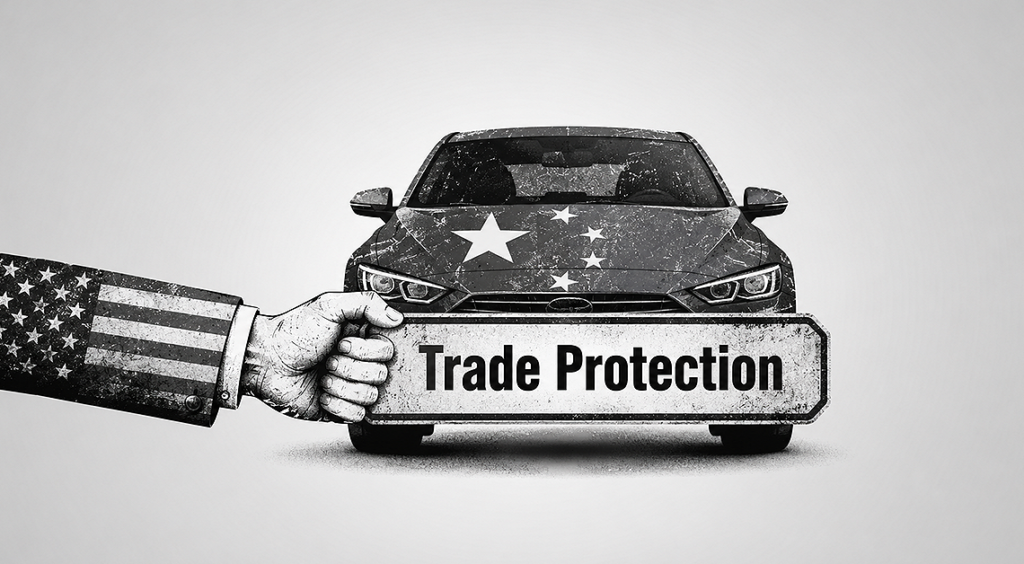
China expressed its frustration after America decided to list most of its major tech, EV and solar firms in a Pentagon report which alleges to track them back to the Chinese army. The latest ruling has created a fresh source of contention between the two biggest economies in the world.
According to the Chinese Ministry of Commerce, the decision has drawn China's "strong dissatisfaction," and it urged the U.S. To withdraw its decisions.
The Ministry contends that the U.S. Move negates efforts to foster and maintain stable bilateral economic and trade relations, following high-level meetings between Chinese President Xi Jinping and U.S. President Donald Trump earlier this year.
A few big names among industries
The additions to the Pentagon's Chinese Military Companies list include Alibaba, Baidu, BYD, NIO, Trina Solar, and JA Solar Technology. In addition to tech and EV makers, the new list is also inclusive of companies operating in the artificial intelligence sector, semiconductors, biotech, and high-end manufacturing.
The U.S. Department of Defense maintains that the list identifies companies it believes are operating under the influence of China's military-industrial system, and several of the newest entrants to the list have dismissed their involvement with the military and have expressed interest in appealing their placement on it either through administrative procedures or legal action.
Strategic supply chains:In a time when governments around the world have begun paying more attention to technological innovation and supply chains, these newest additions to the list bring several of China's largest and most internationally present companies under closer examination.
The U.S. And Australia have paid particularly close attention to this newest development since several of these companies operate in industries that are intrinsically integrated into the global trade flow. China is the world's largest electric vehicle market, with over 80% of its solar panel manufacturing capacity falling under its domain, and it holds the majority share of battery supply chains according to the International Energy Agency.
In recent years, there have been growing scrutiny over strategic industries with an energy transition focus, the development of high-end electronics, and critical mineral supply chains in the U.S., Australia, Japan, South Korea, and various countries within Europe.
Future procurement restrictions
While inclusion on the Pentagon list does not automatically lead to sanctions or prohibition of commercial dealings between businesses, U.S. Law is expected to block any Pentagon procurement from companies on the list beginning in 2027.
The Chinese government has warned that it will continue to use the appropriate channels to protect the rights and interests of its businesses while the U.S. Maintains that its actions are purely the result of a security review procedure.
Follow Inspirepreneur Magazine for daily global business news.

Pooja Malik is a business journalist with over six years of experience covering startups, entrepreneurship, and emerging trends. She has previously worked with leading media platforms such as YourStory Media and BW BusinessWorld, where she reported on business, policy, and market developments. Currently, she serves as Editor at The Inspirepreneur Magazine, where she writes and edits stories across business, lifestyle, and travel, with a focus on clarity, accuracy, and reader relevance.


