


Greenland Birth Control Campaign Violated Human Rights, Experts Say, But Was Not Genocide
Synopsis
More than 4,000 Greenlandic women were given contraception, often without consent, during a Danish programme that began in the 1960s. Two expert reports found serious human rights violations but said the evidence did not establish an intent to commit genocide.
A decades-old contraception campaign in Greenland violated women’s human rights but did not meet the legal threshold for genocide, according to two expert reports released Friday.
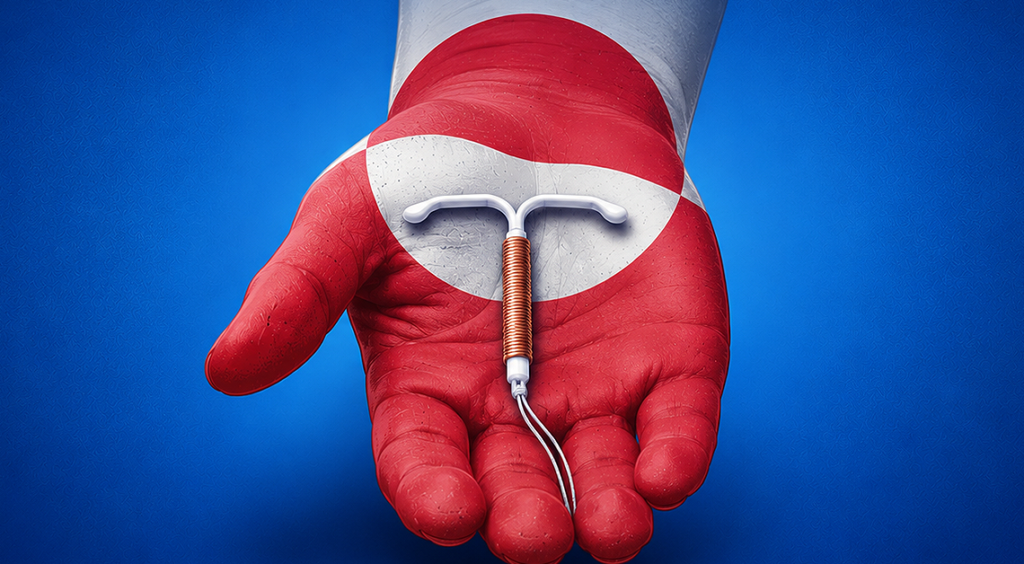
The findings examine a Danish programme that primarily operated during the 1960s and 1970s in which Greenlandic women and girls were given intrauterine devices or contraceptive injections without proper consent.
A 2025 Danish-Greenlandic inquiry found that at least 4,000 women and girls, some as young as 12, were affected between 1966 and 1991.
The programme was intended to reduce birth rates and family sizes, reflecting Danish authorities’ belief that smaller families would improve living and social conditions in Greenland.
Reports Confirm Human Rights Violations
Both expert reports found that administering contraception without valid consent breached women’s rights to private and family life. They also identified cases involving degrading treatment.
Documented consequences included heavy bleeding, serious infections, fallopian-tube scarring, hysterectomies and infertility. However, the experts differed over whether the practices were systemic and whether they amounted to genocide.
Lawyers Dalee Sambo Dorough and Miriam Cullen found a reasonable basis to conclude that Kalaallit Inuit women experienced involuntary contraception and violations involving equality, non-discrimination and protection from degrading treatment.
They nevertheless found insufficient evidence to establish genocidal intent based solely on the contraception programme.
Genocide Question Remains Contested
Under the UN Genocide Convention, genocide can include measures intended to prevent births within a protected national, ethnic, racial or religious group but proving the crime requires evidence of an intention to destroy that group in whole or in part.
A separate report by Jonas Christoffersen and psychologist Jensine Nedergaard found no evidence that authorities or health professionals intended to destroy Greenland’s population. The pair had resigned from the original expert panel and conducted their own assessment.
Dorough and Cullen also concluded there was reasonable basis to believe Denmark breached its obligations under the Genocide Convention by failing to act after becoming aware, as early as 1969, of serious concerns surrounding the programme. They stressed that only a court could make a definitive determination.
Calls for Reconciliation
Greenland Prime Minister Jens-Frederik Nielsen said the government would establish a reconciliation commission focused on uncovering the truth rather than assigning blame.
Denmark passed a compensation law on Thursday providing 300,000 Danish crowns, or about $46,758 to each affected woman.
Danish Prime Minister Mette Frederiksen has also previously apologised to women subjected to what she called systematic discrimination.
The findings arrive amid renewed geopolitical attention on Greenland which remains part of the Danish realm while pursuing greater autonomy and eventual independence.
Greenlandic officials and report authors have urged that the women’s experiences not be used as leverage in wider disputes over the territory’s future.
Source: Reuters

Vishal is an experienced Editor at Inspirepreneur Magazine with key interests in artificial intelligence, eCommerce, entrepreneurship, lifestyle and startup sector. Prior to joining Inspirepreneur, he was a Content Writer cum Correspondent at Siliconindia Magazine, where he worked on Company Profiles, Cover Stories, Executive Profiles, Feature Articles and Thought Leadership content.
You Might Also Like

SpaceX hits $1.77T valuation in historic stock Market debut

P&G Flags $1 Billion Profit Hit as Oil Prices Surge
