


Fluent Secures $2M to Develop AI-Powered Brain-to-Speech Device

Synopsis
The Melbourne-based startup is building a low-risk brain-computer interface that sits beneath the scalp and uses machine learning to convert speech-related brain signals into text and audio.
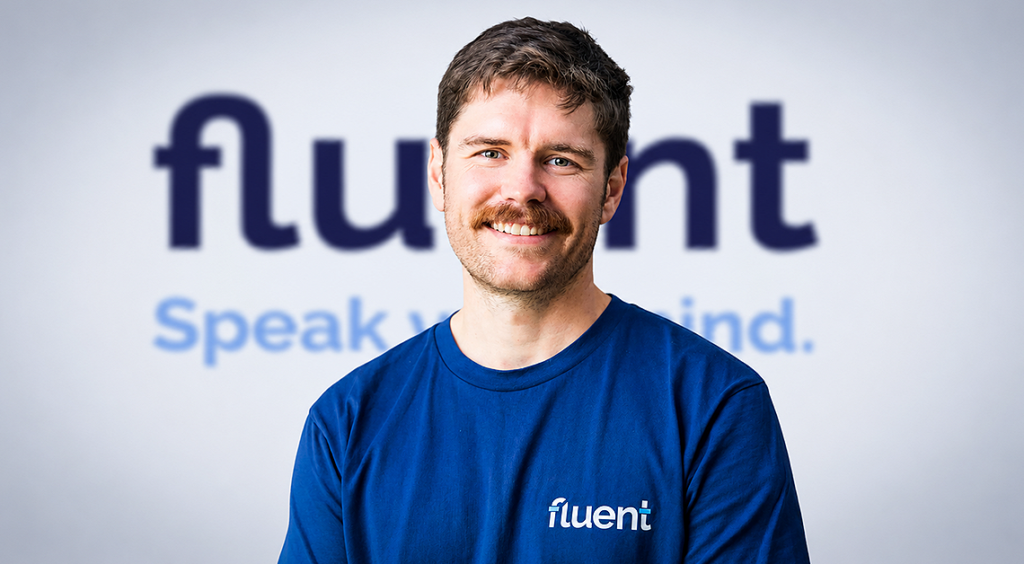
Melbourne-based neurotech startup Fluent has successfully raised over $2 million in pre-seed funding for its artificial intelligence-powered brain-computer interface (BCI) technology, which aims to translate intentional brain signals related to speech into text and spoken language to aid people with severe speech impairment.
The funds will be invested to bolster the company’s engineering team, complete regulatory submissions, and initiate its first human clinical trials in Melbourne.
The round of funding saw contributions from a range of investors, including the University of Melbourne Genesis Pre-Seed Fund, Galileo Ventures, Multiple Sclerosis Western Australia (MSWA), Jumpspace Ventures, Founders Factory, Pacific Channel, and Professor David Grayden.
Fluent, founded in 2025, emerged from more than a decade of neuroscience and engineering research at the University of Melbourne and has already garnered significant funding in its foundational research stage.
Building a less-invasive brain-computer interface
Fluent is distinguishing itself by developing a non-invasive BCI using a sub-scalp neural interface positioned beneath the skin and above the skull to capture speech signals without invasive implantation directly into the brain. Initially targeting individuals with speech loss due to neurological conditions, the company utilizes AI and machine learning algorithms to interpret the collected neural data and produce coherent text and speech output.
Operating from the Australian Centre for Medical Device (ACMD) and at St. Vincent's Hospital Melbourne, Fluent was co-founded by Dr. Tim Mahoney and Andrew Nash.
The company is actively preparing for human clinical trials in Melbourne, paving the way for regulatory approval and future application for conditions such as anarthria and dysarthria.
Dr. Mahoney's doctoral work laid the scientific groundwork, demonstrating the detectability of speech-related neural signals through the scalp.
Brain-computer interface market continues to expand
The brain-computer interface market is experiencing a boom globally, with increasing attention to treatments for neurological conditions and enhancements in assistive communication technology.
According to Grand View Research, the sector is expected to grow substantially in the coming years, fueled by advanced research, healthcare investments, and AI breakthroughs.
North America currently leads the non-invasive BCI market, with Asia-Pacific poised for the fastest expansion. While the commercial application of BCI technology is still in its infancy, Australian innovators like Fluent are playing an increasingly significant role.
Source: Startup Daily
Follow Inspirepreneur Magazine for daily global business news.
Pooja Malik is a business journalist with over six years of experience covering startups, entrepreneurship, and emerging trends. She has previously worked with leading media platforms such as YourStory Media and BW BusinessWorld, where she reported on business, policy, and market developments. Currently, she serves as Editor at The Inspirepreneur Magazine, where she writes and edits stories across business, lifestyle, and travel, with a focus on clarity, accuracy, and reader relevance.
You Might Also Like

Ciara: Harmonizing Creativity, Entrepreneurship, and Social Advocacy

TikTok Gets Another Lifeline as Trump Extends Sale Deadline
