


ACCC Warns AI Is Fueling a Rise in Online Ghost Stores
Synopsis
The ACCC is warning Australian shoppers that AI-generated websites and marketing materials are making fake online stores increasingly difficult to distinguish from genuine businesses.
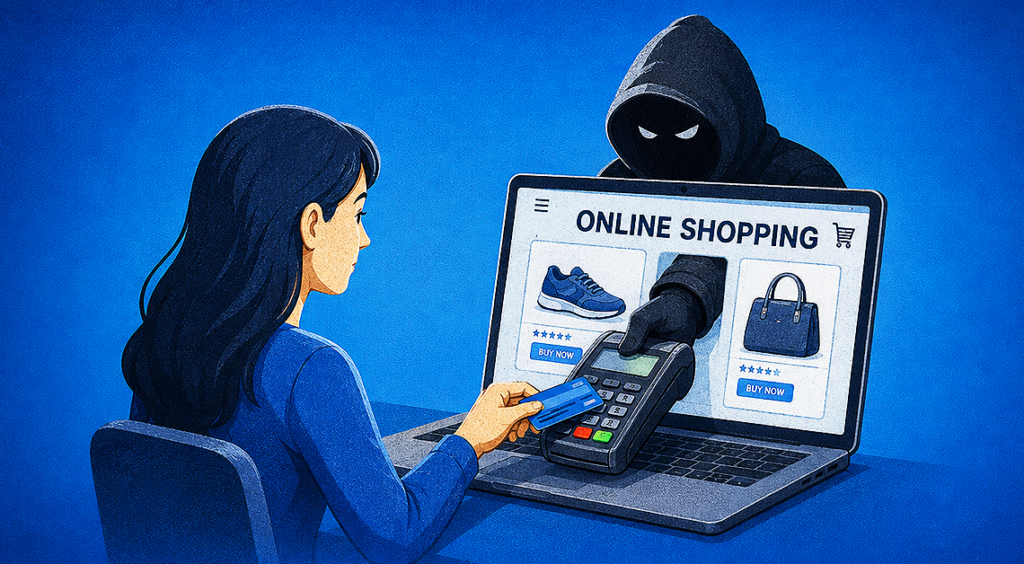
AI ghost stores enable scam artists to create counterfeit online retailers, which exploit artificial intelligence to generate websites, descriptions, images and reviews with minimal input.
In July 2025, Australian Competition and Consumer Commission (ACCC) warned that the tool was being used to deceive Australians into believing that they were buying Australian-made items when they were not.
Fake Stores Mimic Local Businesses
Since the start of 2025, the ACCC has received more than 360 complaints from 60 online retailers, and it warned the public that four websites were impersonating Australian businesses.
The watchdog reported that AI ghost stores use Australian suburbs, towns, or cities in their titles even though the items ordered are returned to overseas warehouses.
Some use AI-generated photographs of the owners and staff, whereas others have no Australian Business Numbers or Australian Company Numbers, minimal contact details, and good reviews that are not found on other sites.
In addition, the ACCC noted that these illicit platforms could use social media channels to target customers using paid advertising and could change names when discovered.
The watchdog added that such AI-created shops could tarnish the reputation of genuine Australian retailers by impersonating their brand, logos, and trademarked material.
Shopping Scam Losses Remain High
According to the latest Targeting Scams: Report of the National Anti-Scam Centre on Scams Data and Activity 2025 , 12,248 Australians were victims of shopping scams and reported losing money to dishonest retailers in 2025.
The number of Australians who became victims of shopping scams rose from 10,022 in 2024 to 10,475 in 2025, with the value of shopping scam losses increasing by 22.2% to $10.8 million. In this report, shopping scams feature online shopping and classified ads frauds, whereas overall scam reports totaled 481,523 scams, with $2.18 billion in losses to Australians in 2025.
According to the United States Census Bureau, retail e-commerce sales were $340.2 billion in the second quarter (Q2) of 2026, representing 17.1 percent of total retail sales.
For businesses, the ACCC recommends checking any retailers on the Australian Business Registry directly and conducting a reverse image search of any product images on sites offering items at suspiciously low prices.
Source: Smart Company

Pooja Malik is a business journalist with over six years of experience covering startups, entrepreneurship, and emerging trends. She has previously worked with leading media platforms such as YourStory Media and BW BusinessWorld, where she reported on business, policy, and market developments. Currently, she serves as Editor at The Inspirepreneur Magazine, where she writes and edits stories across business, lifestyle, and travel, with a focus on clarity, accuracy, and reader relevance.
You Might Also Like

Oracle’s AI spending exceeds estimates, raising growing debt concerns

US Small Business Confidence Drops as Inflation Concerns Intensify
