Australia Ends Fuel Tax Relief, Warns Servos
Synopsis
The government ended its temporary fuel excise cut and warned petrol stations they face hefty fines for unfair price increases.
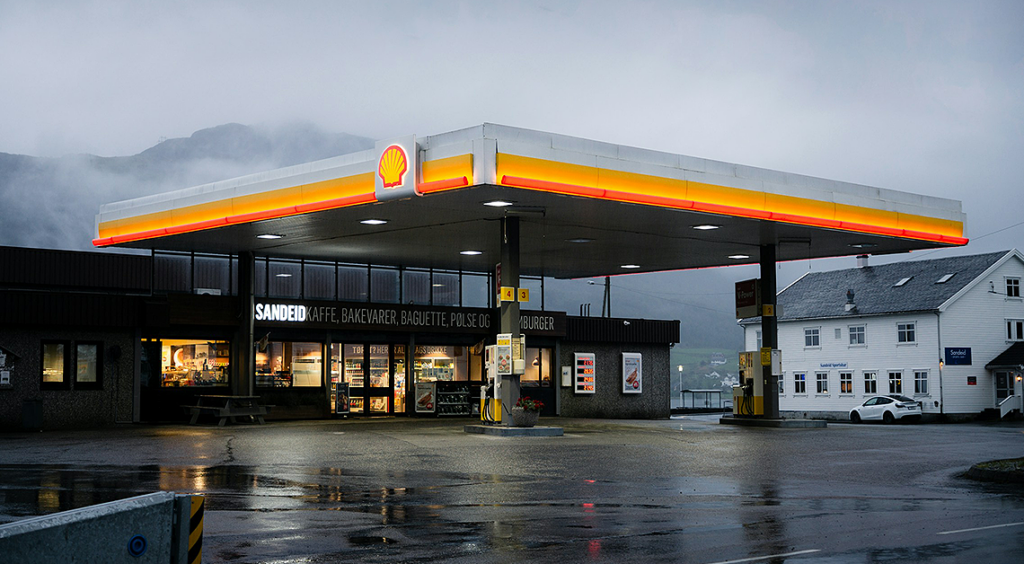
Australia is lifting the temporary reduction in the fuel excise on petrol and diesel after it ended on 3 August, but the federal government is warning fuel retailers that they could be fined up to $100 million if they take advantage of the change to hike up the price.
The Australian Competition and Consumer Commission (ACCC) is responsible for keeping a close eye on fuel prices and making sure that any price rises are for legitimate wholesale costs, not higher retail margins.
Following a series of escalating clashes in the Middle East, global oil prices surged leading to the temporary fuel excise relief being introduced from 1 April 2026. Prior to the relief being scaled back to 16 cents per litre on 1 July, the excise was cut by 32 cents a litre.
The measure will run until 2 August and will resume at the full excise rate, with the full rate of indexation to the Consumer Price Index (CPI) also returning from 3 August.
Government Tightens Oversight of Fuel Pricing
End of temporary measure should not provide opportunity for retailers to raise prices above extra tax and higher wholesale prices, Jim Chalmers says The ACCC will continue to track retail fuel markets across the country, and track the pump prices against changes in wholesale fuel cost and international benchmark prices.
Some of Australia's toughest competition penalties are in place for anti-competitive behaviour. Under the Competition and Consumer Act, courts can levy fines of up to three times the benefit gained from the actions or 30% of adjusted turnover in the period of the breach.
The ACCC has previously said that fuel retailers typically don't get all their fuel supplies at the same time. Therefore, price increases after the change in excise taxes should be gradual as service stations use up their stocks of lower tax fuel and replace them with new, higher-tax fuel supplies.
Global Fuel Markets Continue to Shape Prices
The excise (restored) is in addition to the external price of oil, costs of refined fuels and currency fluctuations, which affect the fuel market. The ACCC says these factors tend to make a bigger contribution to retail petrol prices than taxes, so price changes at the bowser are affected by a range of factors.
Australia is also reliant on imported refined petroleum products despite its refining capability. Australia's fuel prices are vulnerable to global fuel costs and supply disruptions, with imported fuels still providing a significant proportion of Australia's transport energy needs, according to the Department of Climate Change, Energy, the Environment and Water.
Fuel taxation is also a greater share of retail petrol prices in many economies in Europe than in Australia, such as Germany, France and Italy. Fuel taxes in the U.S. are relatively low at the federal level but states charge higher fuel taxes which vary widely.
Source: Smart Company

Pooja Malik is a business journalist with over six years of experience covering startups, entrepreneurship, and emerging trends. She has previously worked with leading media platforms such as YourStory Media and BW BusinessWorld, where she reported on business, policy, and market developments. Currently, she serves as Editor at The Inspirepreneur Magazine, where she writes and edits stories across business, lifestyle, and travel, with a focus on clarity, accuracy, and reader relevance.