


Australia Becomes World’s Most Expensive Working Holiday Destination After Visa Hike
Key Highlights
- Australia has raised its Working Holiday visa fee by 25% and is charging $840.
- Initial fees for second and third-year visas are now $1,000 additional.
- Australia has been ranked the world’s most expensive destination for a work holiday.
- Industry groups say the increase could discourage youth travel and regional workforce participation.
- Australia has 50 countries with reciprocal working holiday agreements.
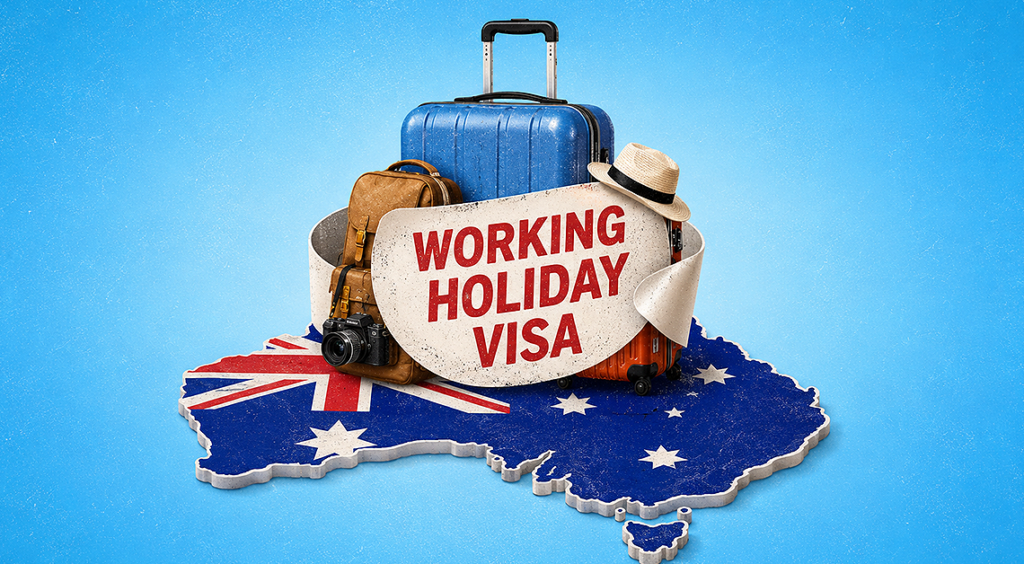
The cost of itinerant Working Holiday Maker visas increased 25% from $670 to $840 and made Australia the most expensive destination in the world on 1 July 2026. This increase in application fee is for both Working Holiday (subclass 417) visa and Work and Holiday (subclass 462). Also, second and third-year applicants have had to pay a new $1,000 application fee, an extension that used to be free.
Australia Is Now More Expensive Than Competing Countries
This increase makes Australia pricier compared to other popular working holiday destinations such as Canada, Japan, New Zealand and the UK.
The Backpacker & Youth Tourism Advisory Panel (BYTAP) says an Australia-themed version of a working holiday visa in Japan costs about $156 and $397 in Canada.
The other industry body also warned that soaring visa charges in Australia might encourage countries with reciprocal arrangements to hike their fees for young Australians. Australia has working holiday agreements with 50 countries as of today.
Industry Warns of Regional Impact
The higher fees will reduce Australia’s attractiveness as a destination for many young international tourists, but also affect the ability of regional labour supply to fill jobs, BYTAP says.
The stream provides an economic boost of approximately $1.5 billion for Australia’s visitor economy and is critical support for regional tourism businesses and agricultural employers.
The organisation has warned that any decrease in arrivals would impact destinations but particularly affect wider regional communities that depend on the spend and seasonal workforce that working holiday travellers provide.
Source: Karryon
Follow Inspirepreneur Magazine for daily global business news.

At Inspirepreneurs Magazine, covering entrepreneurship, business failures, and the human stories behind the world's most ambitious founders. She writes at the intersection of strategy and storytelling.
You Might Also Like

TikTok, YouTube under fire as UK regulator ramps up child safety pressure

Meet Jess Wilson: First female Victorian Liberal Leader
