


Summerville Farm: Australia’s Oldest Continuous Family Business
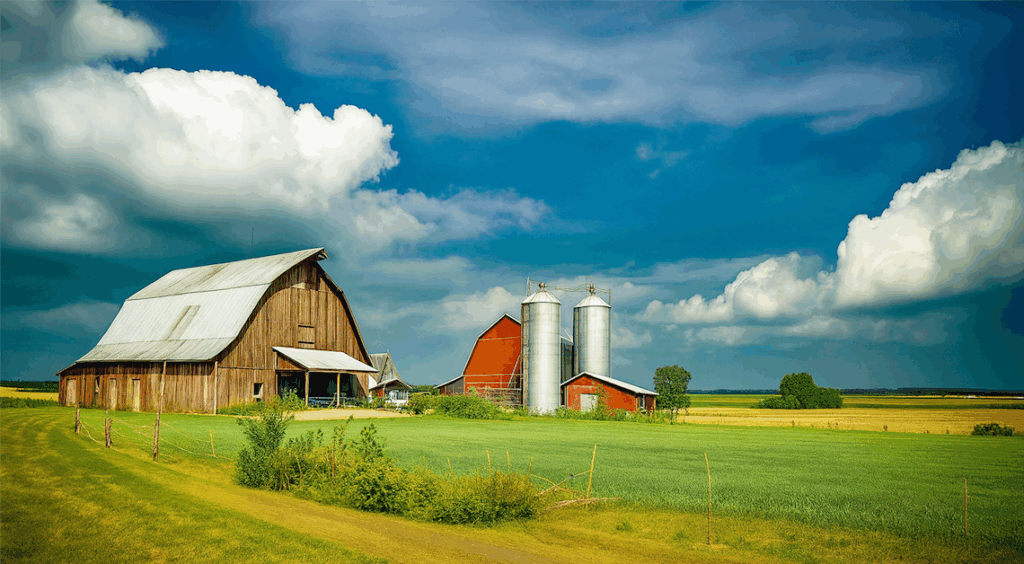
Summerville Farm stands as a remarkable testament to resilience, family stewardship, and agricultural heritage in Tasmania. Located 26 kilometres north of Hobart on the Jordan River, this historic property has operated continuously since 1808, making it Australia's oldest continuous family business. Over more than two centuries, seven generations of the same family have worked these fertile soils, weathering droughts, economic downturns, and the changing landscape of farming itself. The farm represents not just a business entity but a living connection to Australia's colonial past and a powerful example of how family values and dedication can sustain an enterprise across generations.
The Legacy Begins: Daniel Stanfield and the First Fleet
The story of Summerville Farm begins with Daniel Stanfield, a passenger on the First Fleet who arrived in Australia in 1788. After spending ten years on Norfolk Island, Stanfield made his way to Van Diemen's Land, where he received a selection of 310 acres on some of the region's most fertile land. Just four years after Hobart was established, in 1808, Stanfield began ploughing these fields and establishing what would become a thriving agricultural enterprise. His early focus was on producing chaff for Hobart, a commodity essential for feeding the horses and livestock of the developing colonial settlement.
Stanfield's venture proved successful, and his farm became an important resource for the growing community. His success was mainly due to his understanding of the local market's needs and his commitment to producing high-quality products. This pragmatic approach to farming became a defining characteristic of the Summerville operation and contributed significantly to its longevity throughout the centuries.
Family Expansion and Agricultural Diversity
As Summerville Farm became established, the Stanfield family expanded their operations and diversified their pursuits. Daniel Stanfield had seven children, and, as was customary at the time, he set up each of them with a portion of the farm. One of these family members was Maryanne Stanfield, who married David Reynolds at the age of seventeen. As part of her marriage dowry, the couple received 28 acres and a two-bedroom cottage. This parcel of land was named Summerville, a name that would eventually become synonymous with the entire farming operation.
Throughout the nineteenth century, the farm grew substantially in both size and output. Early records indicate that the Stanfields and their descendants produced wheat and chaff on a significant scale, supplying not only Hobart but also the surrounding agricultural district. The introduction of railways around 1870 expanded their market reach considerably, allowing them to transport their produce more efficiently. During this period, the farm also diversified into running sheep and cattle, establishing itself as a comprehensive pastoral operation rather than merely a grain producer.
Navigating Crisis and Change
The history of Summerville Farm has not been without significant challenges. The farm has weathered multiple droughts that pushed generations of the Thompson family, who became the primary descendants managing the property, to the brink of financial ruin. The Great Depression presented another severe test of the farm's viability, yet the family persevered through careful management and sound decision-making. The farm also survived despite complex family circumstances, including premature deaths and expensive ancestral buyouts that required strategic financial handling.
A notable example occurred in the mid-twentieth century. Jim Thompson, the sixth-generation patriarch, and his siblings inherited the farm from their father, Robert Thompson, who died in 1955 at age 55. The assets were split four ways among family members. Jim and his brother Robert initially shared the farm. However, Robert later sold his share to Jim, leaving Jim as the only direct descendant of Daniel Stanfield still actively farming on the Jordan River. Jim's own succession story involved similar complexities, with buyouts required to keep the property within the immediate family.
Modern Operations and Agricultural Evolution
By the early twenty-first century, Summerville Farm had expanded to approximately 2,000 acres, making it a substantial agricultural operation. The farm became one of about 1,000 Tasmanian farms involved in cultivating poppies for the global pharmaceutical industry. This shift represents a significant evolution from the farm's original focus on chaff and grain production. The poppy industry in Tasmania was established in the 1960s to provide reliable supplies of opiate alkaloids used in the production of codeine and morphine for global medical markets.
Today, Summerville Farm's operations are diverse and sophisticated. In addition to poppy cultivation, which has become a valuable cash crop and a major pillar of the Tasmanian economy, the farm grows legumes and cereals. It also maintains a small herd of Merino sheep and cattle, continuing a pastoral tradition that spans multiple generations. The farm's total annual turnover is around 500,000 AUD, with operating costs of roughly 350,000 AUD. This leaves a modest margin that must cover water, fertiliser, interest on debt, and various other expenses associated with running a modern agricultural business.
The Seventh and Eighth Generations
The seventh generation of the Stanfield Thompson line includes two brothers, Walter and Peter Thompson, who took over management from their father, Jim Thompson. Walter, the oldest, received the traditional inheritance of the homestead block, while Peter purchased another ten-acre block with a house situated closer to Brighton. The brothers currently operate the farm as a partnership, maintaining the family's commitment to the land.
The question of whether Summerville Farm will survive to see an eighth generation remains uncertain. Between them, Walter and Peter have five children who may inherit an interest in the property. However, the pressures facing modern agricultural enterprises are considerable. The farm is increasingly surrounded by residential development because it is located only 25 minutes from Hobart. Many neighbouring properties have been sold to property developers, fundamentally transforming the character of the Brighton district. The Thompson brothers have considered various possibilities, including discussions with local council and town planners about future uses of their land.
Official Recognition and Industry Status
The resilience and longevity of Summerville Farm were officially recognised when Family Business Australia declared it the nation's oldest continuous family business. Investigations determined that Summerville Farm was 18 years older than the previous title holder, Lionel Samson and Sons, a merchant business established in 1829. This acknowledgement brought renewed attention to the family's achievement and validated the dedication shown by generations of farmers who maintained their connection to the land.
This status distinguishes Summerville Farm not merely as an old agricultural enterprise but as a testament to family values and long-term stewardship. Its survival for more than two centuries demonstrates principles of patience, financial discipline, hard work, and adaptability to changing circumstances while staying true to its core values. In an era when family farms are increasingly sold to large corporate operations, Summerville Farm stands out as an example of how tradition and modern agriculture can coexist.
The Character of Agricultural Stewardship
What distinguishes the Thompson family's approach to farm management is not simply their longevity but the character they have brought to agricultural stewardship. Jim Thompson, the sixth-generation owner, has reflected on the qualities that enabled his ancestors to maintain the farm across so many generations. He attributes their success to being sound, hardworking, and intelligent people. This assessment suggests that Summerville Farm's longevity is the result of deliberate choices made by individuals who prioritised long-term stability over short-term gains.
The farm's history contains few instances of family members squandering assets or making reckless decisions. Instead, each generation appreciated the value of what had been passed down and made efforts to preserve and improve it. This stewardship mentality stands in stark contrast to the subdivisions now surrounding much of the original Summerville property, where agricultural land has been converted into residential housing.
Frequently Asked Questions About Summerville Farm
Q1: When was Summerville Farm established?
Summerville Farm was established in 1808 by Daniel Stanfield, a passenger on the First Fleet. The farm has operated continuously since then, making it Australia's oldest family business, recognised by Family Business Australia.
Q2: Who currently owns and operates Summerville Farm?
Summerville Farm is currently operated by brothers Walter and Peter Thompson, representing the seventh generation of family management. Walter oversees the homestead block, while Peter manages a ten-acre property closer to Brighton.
Q3: What does Summerville Farm produce today?
The farm cultivates poppies for the pharmaceutical industry and grows legumes, cereals, and peas. It also maintains a small herd of Merino sheep and cattle.
Q4: How large is Summerville Farm?
The property encompasses approximately 2,000 acres. Although portions of the farm have been sold or transferred over the centuries, the core operation has remained in family hands.
Q5: Will Summerville Farm continue into an eighth generation?
The future remains uncertain. At the same time, Walter and Peter have five children, and agricultural pressures and surrounding residential development present challenges. The family is open to exploring various future options.
Ready to Explore Stories of Heritage and Innovation? Summerville Farm exemplifies how heritage businesses can inspire modern entrepreneurs and community leaders. For more compelling stories about family legacy, agricultural innovation, and sustainable business practices, visit Inspirepreneur Magazine. Our publication features in-depth articles on heritage enterprises and the stories of businesses that have shaped Australia's cultural and economic landscape. Discover inspiring narratives that celebrate heritage, innovation, and the enduring spirit of family enterprise at Inspirepreneur Magazine.

At Inspirepreneurs Magazine, covering entrepreneurship, business failures, and the human stories behind the world's most ambitious founders. She writes at the intersection of strategy and storytelling.
You Might Also Like

Overcoming the Top Challenges Faced by Multi-Million Dollar Businesses

Investors Rush To Sell Rentals Ahead Of Australia Tax Shake-Up
